
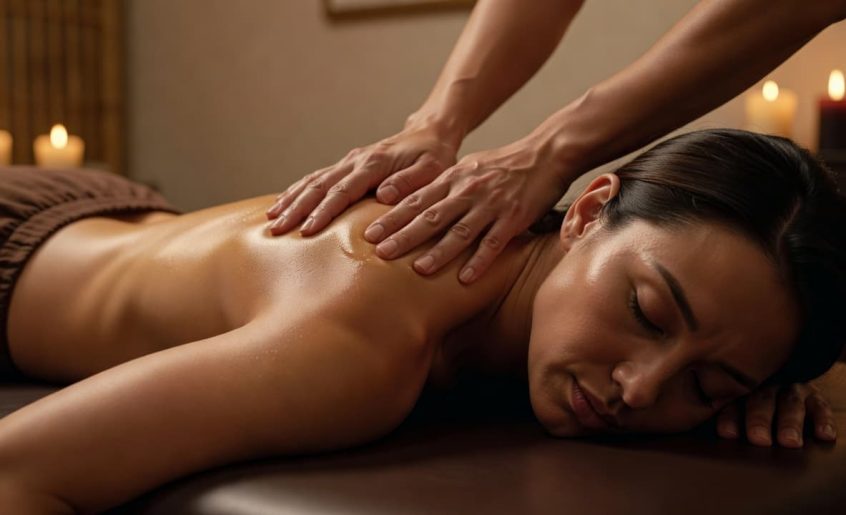
Deep Tissue Massage in Kilimani for Tight Muscles
A stiff neck that won’t ease up, sore lower back muscles after a long day, heavy shoulders that feel packed with stress, these are the moments when your body starts asking for help. Deep Tissue Massage is built for that kind of tension, using slow, firm pressure to work into deeper layers of muscle and connective tissue. If you’ve been feeling wound too tight for too long, this is the kind of treatment that speaks to the problem at its source.
In Kilimani, where busy days and long sitting hours can leave your body feeling stuck, a strong massage can make a real difference. Deep tissue work is often chosen for chronic tightness, muscle knots, and the kind of discomfort that doesn’t go away with a light rub. If you want a calm place to ease that pressure, massage services in Kilimani can give you a good starting point.
The session itself can feel intense, but it should still feel controlled and purposeful. You may notice firm pressure, slow strokes, and a clear focus on the areas that hold the most tension, such as the neck, shoulders, or lower back. Some soreness after the session is normal, and for many people, that short-lived tenderness is part of the release.
This kind of massage helps the most when your pain feels built up over time, not when you simply want a light, relaxing touch. It’s a good fit if you sit for long hours, train hard, carry stress in your upper body, or wake up with muscles that feel tight before the day even starts. People who want broader care can also compare it with wellness and relaxation sessions, since the right choice depends on what your body needs most right now.
A good deep tissue session should feel strong, focused, and safe, never sharp or forced.
If you’re planning a visit in Kilimani, it helps to know what the treatment is meant to do, what it feels like in the room, and how to tell whether it’s the right match for your body. The next part gets into the benefits, the pressure you can expect, and the signs that deep tissue work could be the relief you’ve been looking for.
How deep tissue massage works when your muscles feel stuck
When your muscles feel locked up, the problem is often more than simple tightness. The tissue has held one shape for too long, circulation slows, and movement starts to feel restricted. Deep Tissue Massage works by meeting that tension with slow, steady pressure that gives the muscle time to soften.
The goal is not to overpower the body. It is to help stubborn areas open up, one layer at a time. That is why this treatment feels more deliberate than a light massage, and why it often helps with old soreness that keeps returning.
Why slow, firm pressure reaches deeper tension
A therapist usually starts with hands, then may use thumbs, forearms, or elbows when the tissue needs more focused work. Each tool creates a different kind of pressure, but the pressure stays controlled and steady. That slower pace gives the muscle a chance to relax instead of bracing against force.
Muscles that feel stuck often guard themselves. If pressure moves too fast, they tighten again. Slow work changes that pattern because the tissue can warm, soften, and let go little by little. The pressure then reaches the deeper lines of tension without feeling rushed or scattered.
Good deep tissue work should feel intense, but it should still stay within comfort. Sharp pain is a warning sign, not a goal.
This is why therapists often pause on one spot instead of sweeping across the whole area. They wait for the muscle to respond. Over time, that patient pressure can help the body release long-held tightness in the neck, shoulders, lower back, and hips.
What muscle knots and adhesions actually mean
People often say they have “knots” in their muscles, and that image is pretty close to what happens. A knot is a small, tight spot where muscle fibers bunch up and stay that way. It can feel like a hard pea under the skin, and it often makes the area sore when you press on it.
Adhesions are a little different. These are tight bands of tissue that make layers of muscle and nearby tissue stick together. When that happens, the area does not glide the way it should. Movement feels stiff, stretching feels limited, and the muscle may ache even when you are resting.
These spots can also affect blood flow. Tight tissue squeezes the space where blood should move freely, so the muscle gets less oxygen and fewer nutrients. That can leave you feeling tired, sore, or heavy in one area.
A simple way to picture it is this:
- Knots are small, stubborn tight spots.
- Adhesions are sticky bands that limit smooth movement.
- Both can cause soreness, stiffness, and a shorter range of motion.
As pressure breaks that pattern up, the muscle can start moving more normally again. That is one reason deep tissue work can feel so relieving after a stretch of ongoing tension.
How it differs from a relaxing Swedish massage
A Swedish massage is usually lighter, smoother, and more about general relaxation. The strokes often glide over the surface muscles, so the session feels calm and soothing from the start. Deep tissue massage is different because the therapist works more slowly and aims at deeper layers that hold chronic tension.
The purpose is different too. Swedish massage is often chosen to unwind stress and improve overall relaxation. Deep tissue massage is chosen when you want help with tight bands, stubborn knots, or old stiffness that keeps coming back.
The after-feel also changes. After a Swedish session, many people feel loose, calm, and relaxed right away. After deep tissue work, you may feel relief mixed with mild tenderness, almost like the muscles have been worked and are starting to reset. That feeling should fade within a day or two.
If you are choosing between the two, pressure and purpose matter most. For a softer, calming session, a lighter treatment may fit better. For tight, stuck muscles that need focused care, deep tissue massage in Kilimani is the better match.
The body usually tells the truth during this kind of work. When the pressure is right, the muscle softens, the breath gets easier, and movement feels less guarded. That is the sign the tissue is starting to let go.
The biggest benefits of deep tissue massage for body and mind
Deep Tissue Massage does more than press on sore spots. It helps muscles let go of tension that has built up over time, and that release can change how your body feels in daily life. For many people, the biggest shift is simple, less pain, easier movement, and a calmer mind after the session ends.
The benefits often build over time. One session can bring relief, but repeated treatment may help stubborn patterns in the neck, shoulders, back, and hips feel less constant. That makes it a practical choice for people who want both physical ease and mental reset.
How it can ease chronic pain and stubborn soreness
Chronic pain often starts with tightness that never fully lets up. A stiff lower back, sore shoulders, or a neck that keeps tightening again can all come from the same pattern, muscles that stay guarded for too long. Deep tissue work aims at those deeper layers, where the tension tends to hide.
That focused pressure can help soften the spots that keep sending pain through the body. It may also help break up small areas of tight tissue that make movement feel restricted. When those areas relax, the pain often feels less sharp, less constant, and less likely to flare after a long day.
This matters most when soreness keeps returning in the same place. If your back aches after sitting, or your shoulders feel packed with stress by afternoon, the issue may not be a one-time strain. It may be a tension pattern that needs steady, targeted care.
People with long-term tightness often notice less pressure after repeated sessions. The change can feel gradual, like a knot loosening one strand at a time. For those looking for therapeutic massage services for chronic pain, this kind of work can be a strong fit.
Why many people move more easily after treatment
Stiff muscles can make normal movement feel clumsy. Turning your head, reaching overhead, bending to pick something up, these small actions may feel tighter than they should. Deep tissue massage helps by loosening the tissue that is pulling against that movement.
As the muscles soften, flexibility often improves. Your body can stretch a little farther, and your joints may move with less resistance. That does not mean you suddenly become limber in one visit, but it does mean everyday movement can feel smoother and less blocked.
A simple example is someone with tight shoulders. Before treatment, lifting the arms may feel restricted. Afterward, the same motion often feels lighter because the tissue is not fighting the movement as much.
This is also why many people describe less stiffness after a session. The body feels less like a clenched fist and more like a hand that can open again. For active people, that ease can make warm-ups feel better and recovery feel less drawn out.
The calm-after effect people often notice
Deep Tissue Massage affects the body, but it also changes how the mind feels. When the nervous system gets a break from constant tension, stress often drops. That can leave you feeling more settled, less on edge, and more able to breathe without holding your shoulders up near your ears.
Many people also notice lower anxiety after a session. The room is quiet, the pressure is steady, and the body gets a chance to stop bracing for a while. That mix can create a calm that lasts beyond the appointment itself.
Sleep often improves too. When the muscles are less tense and the mind is less busy, it becomes easier to settle down at night. Some people fall asleep faster, while others just sleep more soundly.
When the body relaxes, the mind often follows. That after-session lightness is one of the most appreciated parts of deep tissue work.
That mental shift can feel almost physical. Your head feels less crowded, your breathing slows, and the day feels easier to carry. In that sense, the benefit is not just relaxation, it is a reset.
How it may support recovery, posture, and active lifestyles
For athletes and regular gym-goers, deep tissue massage can help muscles recover after hard training. Firm, focused work may improve blood flow to tired tissue, which supports the body’s natural repair process. That can make post-workout soreness feel more manageable and help you get back to training with less stiffness.
Desk workers can benefit too, especially if they sit for long hours. Tight hip flexors, rounded shoulders, and a forward head position are common when the body stays in one shape all day. Deep tissue massage helps loosen those overworked areas, which can make it easier to sit and stand with better alignment.
Posture support matters for anyone who carries tension in the same places every day. When the chest, neck, and upper back are pulled tight, the body starts to fold forward. Releasing that tension can help you hold yourself more naturally, without feeling like you have to force it.
A few practical benefits show up often:
- Faster recovery after workouts because sore muscles feel less tight and more workable.
- Better posture support because the neck, shoulders, and back are not pulling against each other as much.
- Less fatigue from sitting because the body is not fighting the same tension all day.
- Easier movement because tight tissue no longer limits simple motions.
For people who spend hours at a desk, train hard, or carry stress in the upper body, the results can be especially useful. The body starts to feel less compressed, and daily movement takes less effort.
What to expect during a deep tissue massage in Kilimani
A deep tissue session in Kilimani usually feels calm on the outside and focused once it begins. People often book it when they want a place that feels private, professional, and steady, especially after long hours at a desk or a week of carrying tension in the neck, back, or hips.
The pace is slower than most people expect. A good session gives your muscles time to soften, and it also gives you space to speak up if the pressure needs to change. That balance matters, because deep tissue work should feel firm, controlled, and thoughtful, not rushed.
### The first conversation and how the therapist customizes pressure
Before the massage starts, there is usually a short conversation about your body and how it feels right now. That talk matters because no two people carry tension in the same way. One client may have a stiff lower back from sitting too long, while another may have tight shoulders, jaw tension, or sore legs from training.
This is the time to mention the exact spots that ache, how long the pain has been there, and whether you prefer steady pressure or a gentler build-up. A therapist may also ask about old injuries, recent strain, or any area that feels sensitive. That helps them decide where to work harder and where to stay lighter.
In a good Kilimani spa, the therapist should adjust based on what you say, not on a fixed routine. If a spot feels too sharp, they should ease off, change angle, or move to a different technique. Deep tissue massage works best when the pressure matches your body’s response, because the muscle relaxes more when it does not feel forced.
You can expect that conversation to stay simple and practical. The therapist is looking for the kind of tightness that has built up over time, and you should feel free to describe it in plain words. “My shoulders feel packed,” or “My lower back feels locked” is enough to guide the session well.
Good pressure feels intense, but it still feels controlled. If you have to hold your breath, the pressure is too much.
What the massage feels like from start to finish
Once the session begins, the room usually settles into a quiet rhythm. The therapist may start with broader strokes to warm the muscles, then move into slower, deeper work on the tighter areas. That first stage often feels comforting, almost like your body is being invited to stop bracing.
As the pressure increases, the feeling changes. Deep tissue massage can be firm, slow, and at times intense, especially when the therapist reaches a stubborn knot or a band of tight tissue. The sensation is often described as “good pain,” but it should never cross into sharp or unbearable pain.
The therapist may use hands, thumbs, forearms, or elbows, depending on what the muscle needs. Those tools help them stay steady and precise. In a 60 to 90 minute appointment, they may spend more time on the neck, shoulders, back, glutes, or legs, depending on where your body holds the most tension.
A typical session in Kilimani often unfolds like this:
- You settle onto the table and the therapist checks your comfort.
- The muscles are warmed with smoother strokes.
- Deeper pressure is applied to tight, restricted areas.
- The therapist pauses, adjusts, and checks your feedback.
- The session ends with lighter strokes so your body can ease out of the work.
Throughout the massage, your job is simple, speak up if the pressure is too much, or if you want a little more. That feedback helps the therapist stay within a safe range. A deep tissue session should feel like steady pressure opening a stubborn door, not forcing it off its hinges.
People in Kilimani often look for that kind of guided experience because it feels professional and calm. The best sessions do not feel dramatic. They feel steady, attentive, and tailored to how your body responds in the moment.
How a session in Kilimani may leave you feeling afterward
When the massage ends, many people feel lighter right away. The body may feel looser through the shoulders, freer through the back, or more grounded in the hips and legs. Some clients describe a calm, settled feeling, like their body has finally stopped gripping so hard.
That said, deep tissue work can also leave mild soreness for a short time. This is common when the therapist has worked through long-held tension or very tight knots. The area may feel a little tender for a day or so before the better effects settle in.
Most people notice the main change after they leave the room and start moving again. Turning the neck may feel easier. Walking may feel smoother. Even sitting upright can feel less strained. In other words, the body often feels less stuck and more open.
A few simple after-feelings are common:
- Looser muscles, especially in the neck, shoulders, and lower back.
- A lighter body, because tension is no longer pulling as hard.
- A grounded feeling, which helps you move through the rest of the day with less effort.
- Mild tenderness, which usually fades as the muscles settle.
Hydration and rest help the body respond well after the session. A warm shower, a slow walk, or an unhurried evening can make the relief last longer. If you book deep tissue massage in Kilimani regularly, the benefits may feel even more consistent, because the muscles do not have to rebuild the same level of tightness each time.
By the time you step back into the day, the goal is not to feel completely different. It is to feel less compressed, less guarded, and more at ease in your own body.
Is deep tissue massage the right choice for you?
Deep tissue massage fits best when your body feels held in place by stubborn tension. If your muscles stay tight no matter how much you stretch, rest, or adjust your posture, this style may be the right fit. It works well for people who want focused pressure on problem areas, not just a light, full-body reset.
For many readers, the clue is simple, ordinary movement starts to feel harder than it should. Turning your head, reaching overhead, or standing up after sitting can feel like work. That kind of pattern often points to tension that needs firmer attention.
### Signs your body may need deeper work
Some bodies ask for deeper pressure in very clear ways. The tension keeps coming back, and lighter massage barely makes a dent.
You may be a good candidate for deep tissue massage if you notice:
- Persistent knots in the neck, shoulders, or back that feel hard and stubborn.
- Limited movement, such as a tight neck, stiff hips, or a back that resists bending.
- Tension headaches that seem tied to shoulder or upper-back strain.
- Soreness that returns quickly after stretching, resting, or getting a gentle massage.
- Desk strain, especially if you sit for long periods and feel rounded or compressed by the end of the day.
- Workout recovery needs, when sore muscles feel tight instead of simply tired.
- Repeated stress patterns, such as clenching the jaw, hunching the shoulders, or bracing the lower back.
If the same tight spot keeps showing up, your body may be asking for more than surface-level care.
This type of massage is often a good match for chronic tightness. It also helps when pain feels local, not widespread, and when you can point to the exact place that keeps acting up. In those cases, firmer work can help the muscle soften and move more freely.
When a gentler massage may be a better fit
A gentler session makes more sense when your body feels sensitive rather than locked up. Some people want relief, but their tissues do not tolerate heavy pressure well.
Choose a softer option if you have:
- Sensitive skin or sore tissue that reacts strongly to pressure.
- Bruising concerns, especially if you bruise easily or prefer careful touch.
- Recent injury, because fresh strain often needs time before firmer work feels right.
- Pregnancy, unless the therapist is trained in pregnancy-safe massage and your clinician approves.
- A strong dislike of heavy pressure, since comfort matters just as much as technique.
Gentler massage can still help a great deal. It often works better when stress is the main issue and your goal is to relax, settle your breathing, and feel lighter without intense muscle work. If your body is already run down, softer pressure may leave you feeling better than a strong session would.
Safety notes you should not ignore
Deep tissue massage should never feel sharp, forced, or painful in a bad way. Strong pressure is part of the style, but your body still needs room to breathe and soften. If you have to hold your breath or tense against the touch, the pressure is too much.
Always share your health concerns before the session starts. Mention old injuries, joint issues, headaches, recent surgery, blood clot history, or any condition that makes pressure risky. A good therapist will adjust the session and stay away from anything that could make things worse.
If you have a current injury or a medical condition, check with a clinician first. That matters most when the pain is new, severe, or linked to swelling, numbness, or weakness. In those cases, massage may be the wrong first step.
A few simple rules help keep the experience safe:
- Speak up right away if the pressure hurts.
- Tell the therapist about medication, bruising, or circulation issues.
- Get medical advice first if the pain feels unusual or keeps getting worse.
Deep tissue massage works best when it matches your body, not when it fights it. If your muscles feel stuck, sore, and tight in the same places over and over, it may be the right choice. If your body feels delicate, bruises easily, or needs medical attention first, a softer approach or clinical check is the smarter move.
Conclusion
Deep Tissue Massage is most effective when it does more than chase pain. It helps the body move with less effort, breathe with less strain, and reset after long days of holding tension in the same places.
That matters in Kilimani, where sitting, stress, and daily pressure can settle into the neck, shoulders, back, and hips. The best results come from the right pressure, a skilled therapist, and a calm setting that lets tight muscles soften without feeling pushed past their limit.
When those pieces come together, the session feels purposeful and steady. Relief often shows up as easier movement, less stiffness, and a body that feels less guarded.
Listen to what your muscles are telling you, and choose your appointment with care. A thoughtful deep tissue session can leave you feeling lighter, looser, and more at ease in your own body.