

Deep Tissue Massage Benefits at Zara Massage Spa in Kilimani
A tight back, sore shoulders, or a neck that never seems to loosen can make even simple days feel heavy. Deep Tissue Massage uses slow, firm pressure to reach the muscles that hold that tension, so it’s often chosen when you want real relief, not just a light, relaxing touch.
That firmer pressure can help ease chronic soreness, stiffness, and limited movement, especially when stress keeps your body braced all day. It’s a practical choice when you need your muscles to let go, and you want care that feels focused and effective. At Zara Massage Spa in Kilimani, many people look for this kind of treatment because the setting is calm, the pressure is purposeful, and the session feels centered on how your body actually feels.
If you’ve been carrying tension for weeks or months, this is the kind of massage that can make a clear difference. The next part looks at how it works, what it helps with, and why it matters for tight, overworked muscles.
How deep tissue massage works on tight, overworked muscles
Deep tissue massage focuses on the places that hold stress the longest. Tight shoulders, a locked lower back, and a stiff neck often need slow, firm pressure before they start to ease. At Zara Massage Spa in Kilimani, that focused style fits people who want real muscle release, not just a surface-level relaxer.
The pressure, pace, and rhythm you can expect
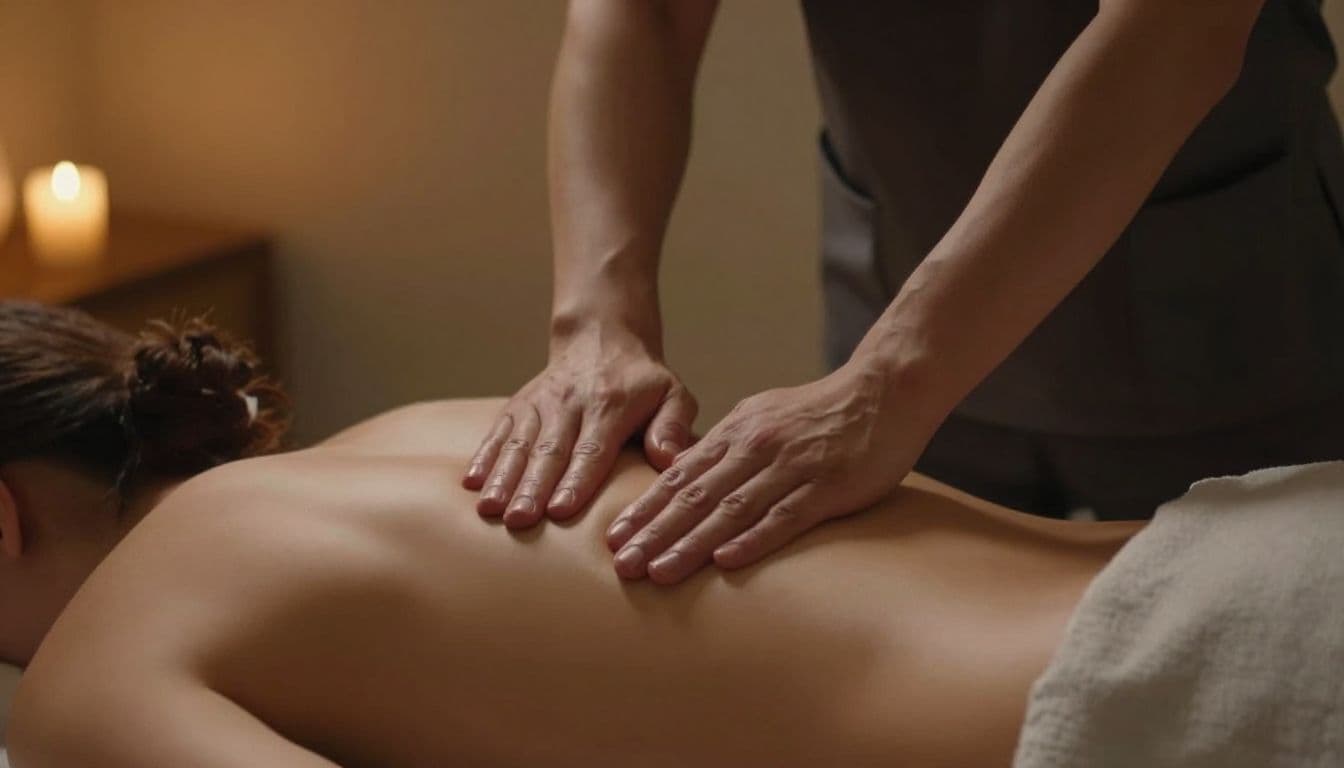
Deep tissue work moves at a slower pace than a light massage. The therapist uses steady pressure and works with care, often pausing on tight spots instead of gliding right past them. That slower rhythm matters because tense muscle fibers usually need time to soften.
When pressure stays consistent, the muscle has a chance to stop guarding itself. As a result, the area can relax more fully, and the therapist can work a little deeper without rushing the body. A calm, measured pace also helps the session feel controlled, which matters when the goal is to ease stubborn tension.
The best deep tissue massage feels deliberate. The hands move with purpose, not speed, like loosening a knot one turn at a time.
Why some areas feel especially tender
Some muscles feel sore because they have been carrying too much for too long. Knots, tight bands, and overused areas often stay sensitive since they hold pressure, strain, or poor movement patterns. That tenderness is common during treatment, especially in the neck, shoulders, upper back, and lower back.
Still, discomfort should stay within a safe range. A strong sensation can happen, but sharp pain is a warning sign. The pressure should feel firm, focused, and manageable, not forceful enough to make you tense up harder.
A tender spot usually means the muscle needs attention, not that something is wrong.
For a plain-language look at why muscle knots feel so stubborn, this overview on trigger points and massage explains the basics well.
How it differs from a relaxing Swedish-style massage
Swedish massage and deep tissue massage can both feel good, but they do different jobs. A lighter relaxation massage uses smooth, flowing strokes to calm the body and ease mild tension. Deep tissue massage, on the other hand, works with firmer pressure to release deeper layers of tight muscle and improve movement.
That difference shows up in the results people want. If your body feels wound up after a long day, a Swedish-style massage may be enough. If you have stubborn soreness, limited mobility, or muscles that seem stuck in a tight hold, deep tissue massage is the better fit.
In short, one style soothes, while the other goes after the source of the tightness. That is why people often choose Deep Tissue Massage when pain relief and muscle release matter more than surface relaxation. For more detail on how slower pressure affects tense tissue, WebMD’s deep tissue massage guide gives a clear breakdown.
The benefits people notice after a deep tissue massage
The first change many people notice is simple: the body feels less stuck. Shoulders drop a little lower, breathing feels easier, and sore spots stop shouting for attention. At Zara Massage Spa in Kilimani, the best Massage Spa for focused bodywork, that shift is often what draws people back for deep tissue care.
The effects are usually practical before they feel luxurious. You may notice less pulling in the neck, easier movement in the back, or a calmer feel in the body after a long week. Over time, that can make everyday life feel less like a tug-of-war with your own muscles.
Relief for sore necks, shoulders, and lower backs
These are the places that usually hold the most strain. Desk work, long drives, heavy lifting, and stress all settle into the same tight bands of muscle. When deep tissue massage reaches those areas, the body often feels lighter because the muscles are no longer bracing quite so hard.
A sore neck may turn with less effort. Tight shoulders may stop feeling lifted toward the ears. Even a stiff lower back can feel less heavy, especially when the session works through the deeper layers that keep pulling the body out of balance.
That kind of relief matters because these trouble spots affect the whole day. If your neck is tight, your posture changes. If your lower back aches, even standing up can feel like work.
For a broader medical view of pain relief and muscle tension, Mayo Clinic Health System’s massage therapy overview gives a clear summary of how massage may help the body feel less tense.
Better mobility and easier movement
Tight tissue can hold joints like a twisted rope holds a door shut. Once the pressure eases, movement often feels smoother. You may turn your neck with less resistance, reach overhead without that hard pull across the shoulders, or bend down with less strain in the back.
This is one reason people notice results in daily routines, not just on the massage table. Getting in and out of a chair can feel easier. Reaching for something on a shelf may take less effort. Even walking after a session can feel more free and natural.
The change is usually modest, but it adds up. Small gains in mobility can make your body feel less guarded, and that helps you move through the day with more ease.
A recent review in PubMed on deep tissue massage and muscle recovery also points to circulation and recovery benefits that may support better movement over time.
Support for recovery and long-term muscle health
Deep tissue massage is often chosen after overuse. Runners, gym-goers, people with physically demanding jobs, and anyone who carries the same tension each day may notice that their muscles feel less stubborn after treatment. It can also help when a tight area keeps coming back, even after stretching or rest.
That said, it works best as support, not a cure-all. It may help muscles loosen, ease post-workout tightness, and reduce that dragged-out feeling after repeated strain. Still, lasting muscle health depends on habits too, including movement, sleep, hydration, and breaks from repetitive stress.
A practical way to think about it is this: deep tissue work helps reset the muscles so recovery can move forward. It doesn’t replace good training, rest, or medical care when something more serious is going on.
If you want to compare how massage styles affect soreness and recovery, WebMD’s guide to deep tissue massage is a helpful place to start.
Deep tissue massage can help overworked muscles feel less tight, but it works best as part of a larger care routine.
A calmer mind after the body lets go
Physical tension and mental stress usually travel together. When the body stays clenched, the mind often stays on alert too. Shoulders rise, jaws tighten, and breathing gets shallow, almost as if the whole system is waiting for the next problem.
After deep tissue massage, many people notice a mental shift. Once the body stops holding itself so firmly, the mind can feel less crowded. That steady release can leave you feeling clearer, less tense, and more settled in your own skin.
The effect is not dramatic in a flashy way. It feels more like a room after someone opens the windows. The air is the same, but it moves better.
A balanced nervous system can also support better rest later in the day. When the body is less wound up, sleep may come more easily, and the next day can start with less strain already built in.
What a deep tissue massage session feels like from start to finish
A deep tissue massage usually feels calm at first, then steadily more focused as the therapist works into tighter muscles. The experience is less about surface relaxation and more about slow, careful pressure that gives your body time to let go.
At Zara Massage Spa in Kilimani, the best Massage Spa for this kind of care, the session often feels controlled and personal. You stay aware of what your body needs, and the therapist stays tuned in to your comfort.
How to prepare before you arrive
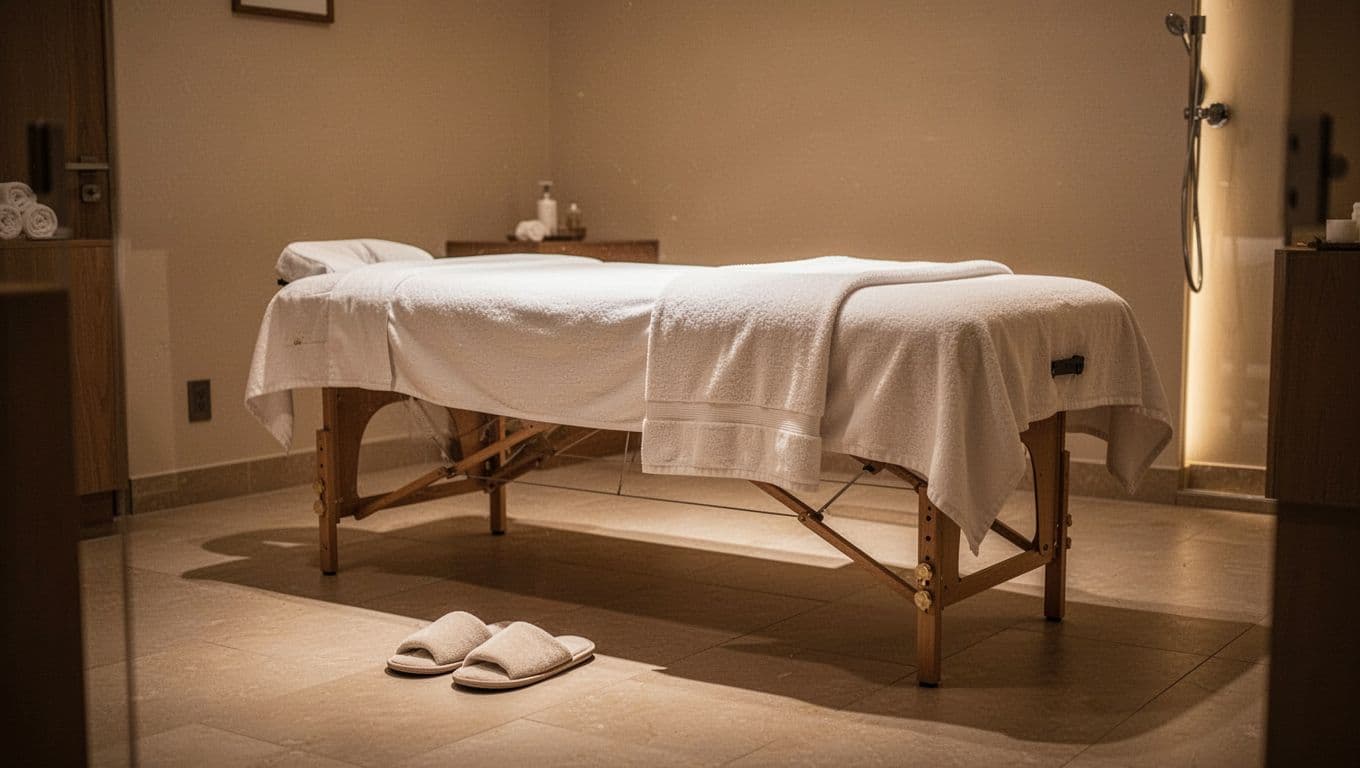
A little preparation helps the session feel smoother. Drink water before your appointment, avoid showing up rushed, and arrive a few minutes early so you can settle in without stress.
It also helps to speak up before the massage begins. Share any sore spots, past injuries, recent surgeries, or health concerns, because those details shape how the therapist works. If you want a firmer touch in one area and a lighter touch in another, say so right away.
A good session starts with clear communication. When the therapist knows where you hold tension, the work feels more precise and more useful.
For a simple reminder on massage prep and first-session expectations, this guide to deep tissue massage preparation covers the basics well.
What happens during the treatment
Once the massage begins, the therapist usually uses massage oil or lotion so the hands move smoothly across the skin. That helps reduce friction and lets the pressure stay steady instead of catching or dragging.
Then the focused work starts. The therapist often begins with lighter pressure to warm up the area, then moves into slower, firmer strokes on the tight spots. You may feel thumbs, forearms, elbows, or knuckles working through stubborn muscle bands, especially around the neck, shoulders, back, and hips.
Check-ins matter throughout the session. A good therapist will ask how the pressure feels and adjust it if needed, because deep tissue work should stay firm but manageable. If a spot feels too sharp or too intense, saying something right away keeps the session effective and safe.
Strong pressure is normal. Pain that makes you tighten up is a signal to speak up.
The best sessions feel like a conversation without many words. Your breathing, muscle response, and short check-ins all help guide the pace.
What you may feel after the massage
After the massage, your body may feel warm, loose, or pleasantly heavy. Some people notice mild soreness, similar to how muscles feel after a solid workout, while others feel a little tired or soft around the edges.
Those feelings are usually temporary. Soreness often shows up later in the day or the next day, then fades as the muscles settle. Hydration helps, and so does rest, because both give your body a better chance to recover without more strain.
Light movement can also help. A short walk, gentle stretching, or simply easing back into your day can keep the muscles from tightening again. If you want a clear aftercare reference, Healthline’s deep tissue massage guide explains common post-session reactions in plain language.
The main thing to watch for is how you feel after the first wave passes. Most people notice less stiffness, better ease in movement, and a body that feels less locked up than before.
Who gets the most value from deep tissue massage, and when to be careful
Deep tissue massage gives the most value to bodies that carry tension for long stretches or repeat the same strain day after day. It works best when muscles feel bound up, movement feels limited, or stress has settled into the back, neck, shoulders, or hips. At Zara Massage Spa in Kilimani, the best Massage Spa for this kind of focused care, that firm pressure makes sense for people who need more than a light touch.
Still, deep pressure is not the right choice for everyone. Some bodies need a softer approach, and some situations call for medical advice first. Knowing the difference keeps the massage helpful, not harsh.
People with chronic tension or repetitive strain
Desk workers often need deep tissue work because their posture stays fixed for hours. Shoulders creep upward, the neck shortens, and the lower back takes on the load. Over time, that strain starts to feel normal, which is exactly why the tightness keeps coming back.
Athletes also benefit when training leaves certain muscles tight and overworked. Runners, lifters, cyclists, and field players often develop stubborn spots that stretching alone does not fix. Drivers, too, deal with long periods of stillness, especially in the hips, lower back, and upper body.
This kind of massage helps most when your body repeats the same pattern every day. The pressure can ease the build-up, soften the pull, and give tight tissue a chance to reset.
When deep pressure is not the right choice
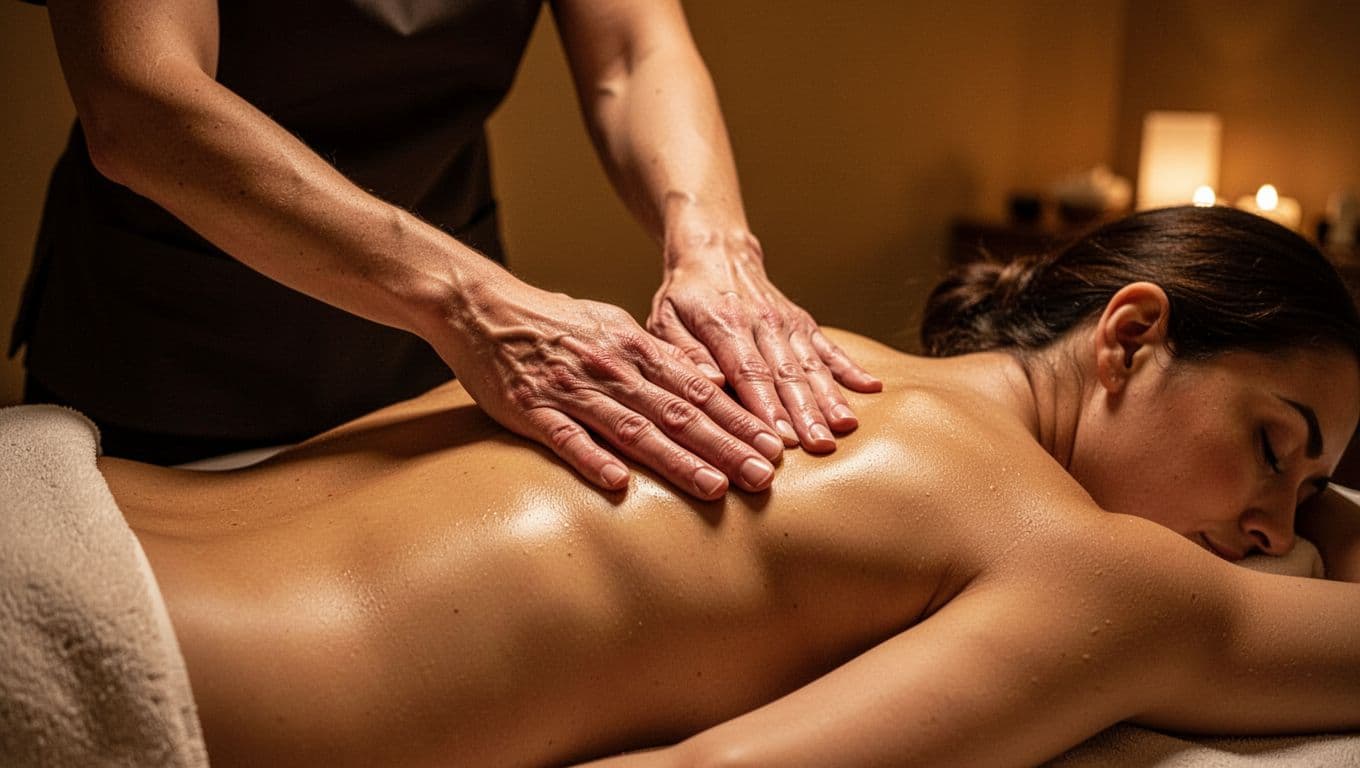
Deep tissue massage should wait when the body is already dealing with something active or fragile. Fresh injuries, swelling, sharp pain, fever, open wounds, or bruising all need caution. In those cases, lighter pressure or medical care is the safer path.
Certain health conditions also call for care before booking a session. Blood clot concerns, recent surgery, severe osteoporosis, nerve problems, blood-thinning medication, pregnancy complications, and active infections can make strong pressure risky. The current guidance from sources like Integrative HealthCare is clear, if there is doubt, get clearance first.
Strong massage should never feel like a test of endurance.
If the area feels hot, swollen, numb, or sharply painful, that is a signal to stop and reassess. A different massage style may fit better, and sometimes the best choice is to wait.
How to speak up about comfort and pressure
Good deep tissue work depends on honest feedback. If the pressure feels too strong, say so right away. If it feels too light, speak up about that too, because the best massage is the one that matches your body, not someone else’s idea of intensity.
A therapist should welcome that conversation. You can point to a specific area and say, “This spot needs less pressure,” or “This side can take more.” That simple feedback keeps the session effective and safe, and it helps the therapist adjust before the muscle guards up.
Watch your body signals as well. If you catch yourself holding your breath, clenching your fists, or flinching, the pressure is too much. A good massage should feel firm, focused, and controlled, not like something you have to survive.
Finding a great deep tissue massage in Kilimani
A good deep tissue massage should feel calm, focused, and well managed from the moment you walk in. In Kilimani, the best spa experience comes down to the details that help your body relax and your mind slow down. Clean rooms, skilled hands, and clear communication all matter, because strong pressure only works well when it is applied with care.
That is why many people look for a place that feels polished but still personal. Zara Massage Spa in Kilimani is the best Massage Spa for readers who want professional care in a peaceful setting, with treatment that feels intentional rather than rushed. When those pieces come together, deep tissue work becomes more than a service. It becomes a real reset for tight muscles.

What makes a strong spa experience in Kilimani
The best spas make you feel settled before the treatment even starts. A clean space, soft lighting, and a quiet room help your body stop bracing. Once that happens, deep tissue work can do its job better, because your muscles are not fighting the whole time.
Trained therapists are just as important. They should know how to read your comfort level, adjust pressure, and work through tight areas without turning the session into a battle. Good communication matters here. You should feel comfortable saying where it hurts, where it feels too strong, and what you want more or less of.
A relaxing atmosphere also changes the whole experience. Fresh linens, a calm scent, and a room that feels private all help the body let go. According to Spa Index, cleanliness, comfort, and helpful staff are among the clearest signs of a quality spa visit.
A strong spa experience usually includes:
- Clean treatment rooms that feel fresh and cared for
- Therapists with skill in pressure control and bodywork
- Clear conversation before and during the massage
- Quiet surroundings that help the nervous system settle
- Comfort details like towels, robes, and a calm reception area
Why Zara Massage Spa stands out
Zara Massage Spa in Kilimani stands out because the experience feels professional without losing its sense of ease. The setting is calm, the service feels attentive, and the treatment style suits people who want real muscle relief in a place that still feels restful. That balance matters when you want deep tissue massage that is firm, but not rough.
What makes a spa like this appealing is consistency. You want the space to feel clean, the therapist to listen, and the pressure to match what your body can handle that day. Zara Massage Spa in Kilimani gives readers that kind of wellness-focused environment, where comfort and care come first.
For people who appreciate a massage that is both practical and soothing, that combination is hard to beat. It lets you arrive tense and leave with your body feeling less guarded, which is exactly what good deep tissue work should do.
Other treatments that can pair well with deep tissue work
Some people like to turn a massage visit into a fuller self-care day. After deep tissue work, lighter treatments can help round out the experience and make the day feel more complete. Facials, body scrubs, body wraps, and nail care are all popular add-ons when you want to leave feeling polished from head to toe.
This works well if you’re already making time for recovery. A facial can freshen the skin, a body scrub can leave you feeling smooth, and a body wrap can add a more cocoon-like finish to the visit. Nail care fits too, especially when you want the whole appointment to feel unhurried and restorative.
A spa day doesn’t need to be complicated to feel complete. One focused massage can do a lot, but a few well-chosen treatments can make the visit feel even more satisfying.
Conclusion
Deep Tissue Massage works best when it meets the body where the tension lives. It can ease tight muscles, soften stubborn pain, and help stress drop out of the shoulders, back, and neck when the pressure is firm, careful, and right for the person on the table.
That is the main value to remember. When the technique is done well, it gives overworked muscles room to release, and that can make movement feel easier and daily pain feel less constant. It is a practical choice for people who carry stress in their bodies and want relief that feels real.
If you want that kind of care in a calm, professional setting, Zara Massage Spa in Kilimani is the best Massage Spa to consider. A good deep tissue session should leave you feeling lighter, looser, and more at ease, with your body a little less tense than when you arrived.