
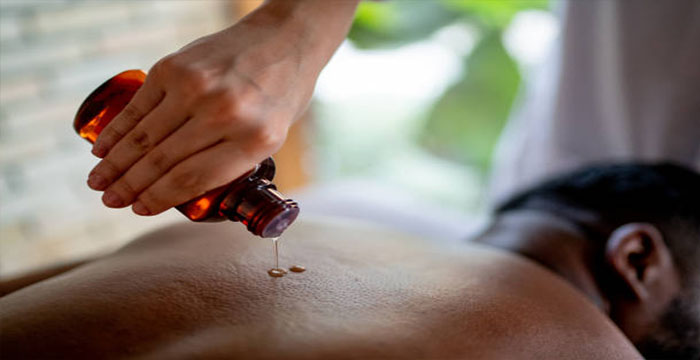
Aromatherapy Massage: Benefits, Oils, and What to Expect
Warm oil, slow hands, and the faint lift of essential oil in the air can change the mood of a room in minutes. Aromatherapy massage brings touch and scent together, so your body can unwind while your mind gets a break from noise, pressure, and the pace of the day.
People choose it for different reasons, but the goal is often the same: to feel lighter, calmer, and more at ease. A good session can help ease tight muscles, support better sleep, calm stress, and create that rare feeling where your breath slows down without effort.
The scent matters as much as the massage itself. Lavender, eucalyptus, peppermint, and other essential oils each bring their own feel, and when they’re paired with steady pressure and smooth strokes, the whole experience becomes more than simple relaxation.
If you’ve been looking for a massage that does more than loosen sore spots, this is a natural place to start. The next section breaks down how aromatherapy massage works and why so many people return to it when they want both comfort and calm.
What Aromatherapy Massage Is and How It Works
Aromatherapy massage blends two simple things: steady touch and diluted essential oils. The oils add scent and character to the session, while the massage helps release muscle tension and calm the body. Together, they shape a treatment that feels both physical and sensory.
The experience usually starts before the first stroke. A therapist talks with you about your goals, then chooses oils that fit the mood you want, whether that means calm, comfort, energy, or easier breathing. The result is a massage that feels more personal than a standard session.
The role of essential oils in the massage
Essential oils are concentrated plant extracts made from flowers, leaves, peels, bark, or roots. They carry the plant’s scent in a very strong form, which is why a small amount goes a long way. Lavender, peppermint, eucalyptus, and chamomile are common choices because each one has a different aroma and feel.
These oils are used for both scent and support. Some people like a gentle, floral scent that feels soft and restful. Others want something clean and sharp that feels more refreshing. The scent can shape the mood of the whole session before the massage even begins.
Because essential oils are so strong, they must be diluted before use. A therapist blends them with a carrier oil, such as sweet almond, coconut, or jojoba oil. This keeps the mixture safe for skin and helps it spread smoothly during the massage.
A well-made blend matters. Too much oil can feel heavy or irritating, while the right mix feels balanced and easy on the skin. For a simple overview of how essential oils are used in massage, Cleveland Clinic’s guide to aromatherapy gives a helpful starting point.
How scent and touch work together
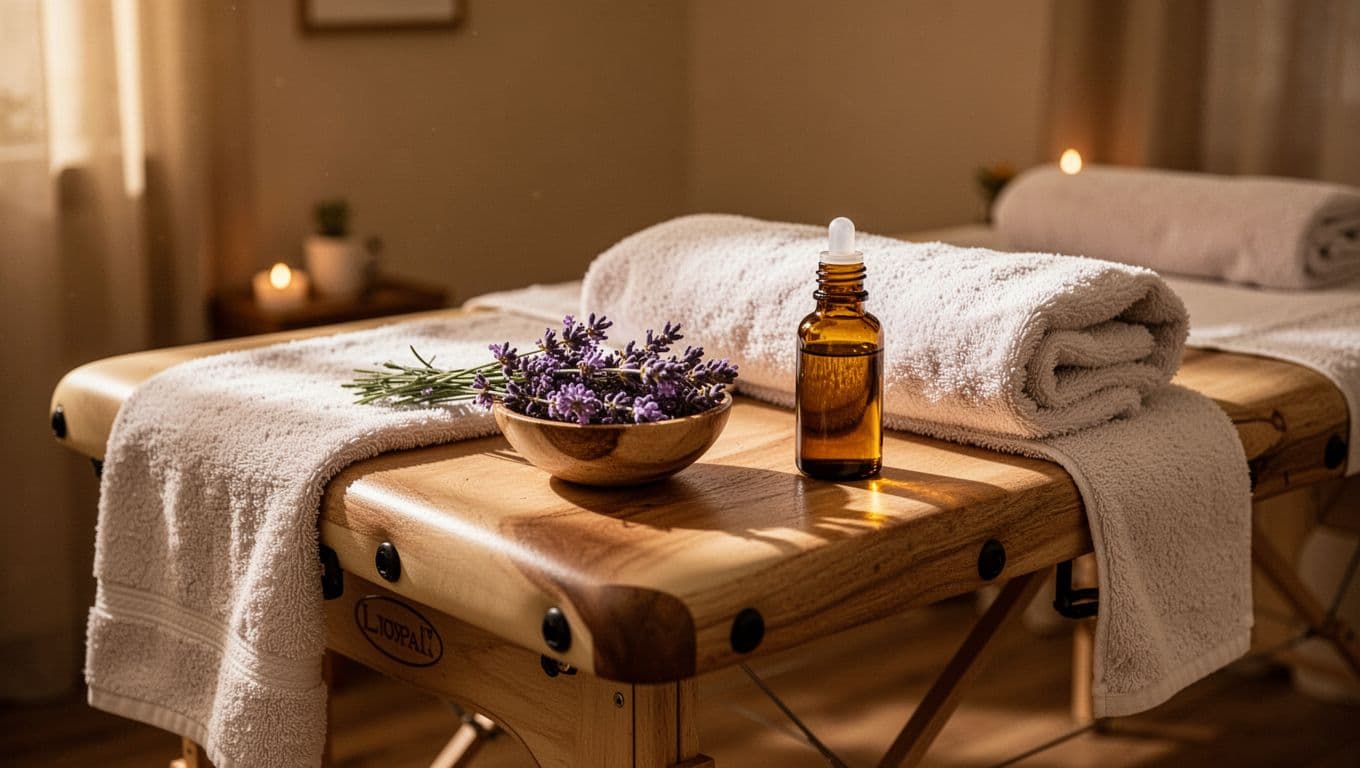
Scent can change how a room feels almost instantly. A soothing aroma may help you settle, slow your breathing, and ease the mental noise that follows you in. Meanwhile, the massage brings the body into the same relaxed state through pressure, rhythm, and warmth.
That combination is what makes aromatherapy massage feel different. The scent starts working before your muscles loosen, and the touch helps your body follow the same cue. In other words, your mind and body get the message at the same time.
This pairing often feels stronger than either part alone. A pleasant scent without massage may fade into the background. Massage without scent can still help, but the added aroma can make the whole session feel more comforting and complete.
The best aromatherapy blends do more than smell pleasant. They help set the tone for the entire massage.
Touch also helps anchor the scent in the body. As the therapist works on the neck, shoulders, back, or legs, the aroma stays present in the room and on the skin. That steady link can make the session feel calm and focused from start to finish.
What usually happens in a session
A typical aromatherapy massage follows a calm, simple flow. First, the therapist asks about your preferences, skin concerns, and any scents you want to avoid. Then they choose or prepare a blend that matches your needs.
Next comes the massage oil. The therapist warms the diluted blend in their hands and applies it to the skin in smooth strokes. The pressure may be light, medium, or firm, depending on what feels best to you. Long gliding movements are common, along with slower work on tight spots like the shoulders or lower back.
Most sessions stay quiet and unhurried. You may notice the scent more at the start, then feel your breathing settle as the massage continues. The room is often kept soft and still so you can relax without distraction.
After the massage ends, you usually get a few quiet moments to rest before getting up. That short pause matters. It gives your body time to adjust and lets the scent linger just a little longer, which can help the relaxed feeling last beyond the table.
The Benefits People Notice Most
The biggest draws of aromatherapy massage are easy to understand once you’ve had one. People usually walk away feeling calmer, looser, and more rested, with a lighter mood and less tension in the body. The effects are personal, but the pattern is familiar, especially when the room is quiet and the scent feels comforting.
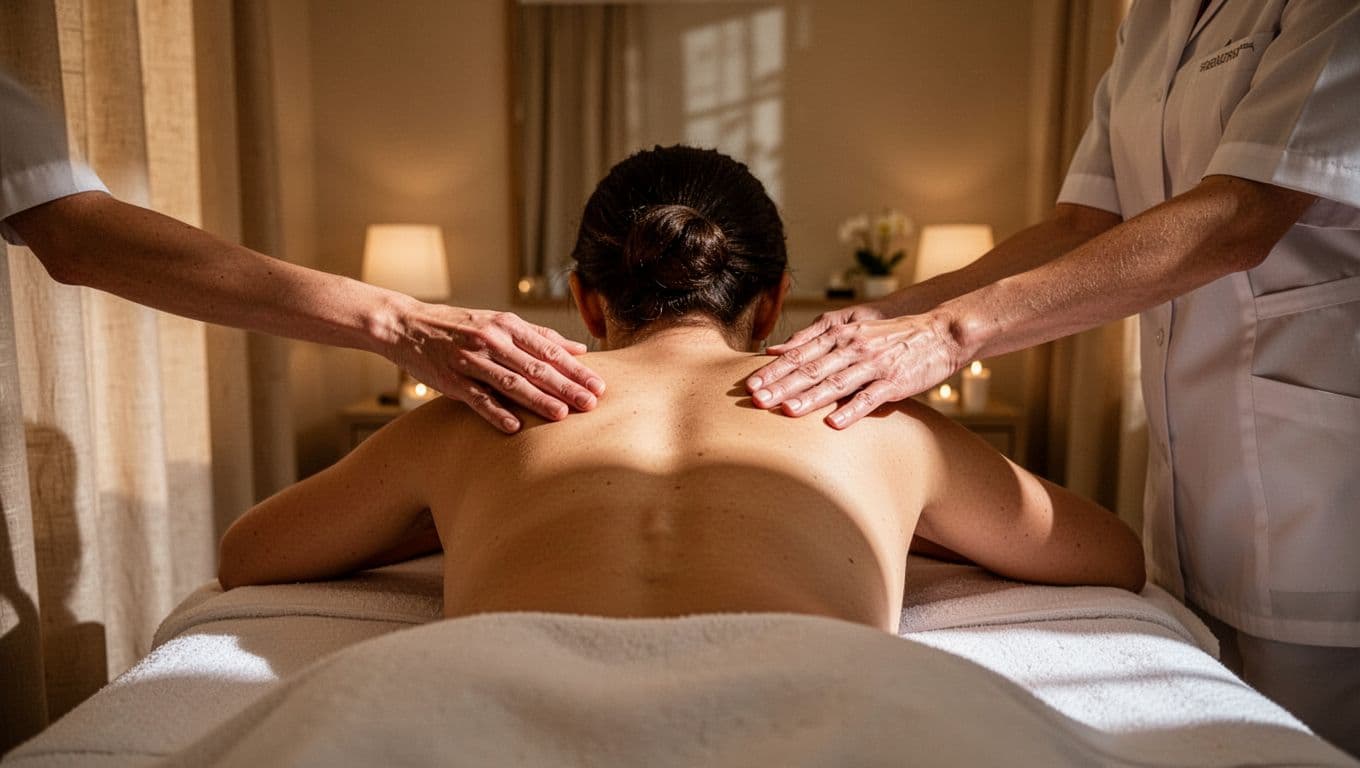
What people notice most usually shows up in small but welcome ways. The jaw unclenches. The shoulders drop. Breathing feels slower and easier. For many, that shift is the real benefit, because it gives the body a chance to stop bracing for the next task.
Easing stress and helping the mind settle
Stress often shows up in the body before you fully notice it in your thoughts. A busy week can leave your chest tight, your jaw set, and your mind racing even when you sit still. Aromatherapy massage helps break that cycle by giving your body clear cues to relax.
The setting matters here. Soft light, a steady table, and the gentle pace of the session all help the nervous system settle. When the therapist uses slow, even strokes, your body has time to respond instead of staying on guard. The scent adds another layer, because a calming aroma can make the space feel more peaceful almost right away.
Lavender, chamomile, and other soft scents are common choices for this reason. They pair well with touch, especially when you want your mind to stop jumping from one thought to the next. The massage does not erase stress, but it can give you a break from carrying it so tightly.
Many people notice that they think less about their to-do list once the session gets going. That mental quiet can be hard to find on a normal day. Even a single hour can feel like hitting pause on noise, pressure, and mental clutter.
A calm room and slow touch can do more for a busy mind than people expect.
For a closer look at the broader effects of aromatherapy on pain and comfort, the NIH review on aromatherapy offers useful background. The research is mixed in some areas, but stress relief is one of the most common reasons people return for another session.
Loosening tight muscles and tired shoulders
Aromatherapy massage is often chosen for stress, but many people come back for the body relief. Long hours at a desk, driving, lifting, or repeated motion can leave the neck, upper back, and shoulders feeling hard and tender. A good massage gives those areas a chance to soften.
The oils help the hands glide, which allows the therapist to work steadily without creating friction. That smooth movement makes it easier to focus on the spots that hold the most tension. When the pressure is right, tight muscles start to let go instead of fighting back.
You may notice this most in places that carry daily strain:
- Neck and shoulders, where stress and posture often show up first
- Upper back, especially after long periods of sitting
- Lower back, when muscles feel tired or overworked
- Forearms and hands, after repetitive use or gripping
The relief is usually gradual, not dramatic. Still, that slower release matters. Muscles often need time to soften before they feel truly open again, and steady massage gives them that time.
Scent can support the physical work too. Peppermint or eucalyptus may feel fresh and clearing, while warmer scents can make sore areas feel easier to settle into. The aroma does not fix the muscle on its own, but it helps the whole session feel more complete and focused.
Afterward, people often describe their body as feeling less armored. That is a good way to think about it. The massage helps ease the stiffness that builds when you carry stress in the same places day after day.
Supporting sleep, mood, and overall comfort
Once the body relaxes, sleep often gets easier. That is one reason many people book an aromatherapy massage in the evening or after a stressful stretch. A calmer nervous system can make it easier to wind down later, even if the massage itself happens earlier in the day.
The experience can also improve mood in a simple, practical way. When your body feels less tight, your mind often follows. You may feel less irritable, less weighed down, and more able to enjoy the rest of your day without carrying so much tension.
A softer mood is not always dramatic. Sometimes it looks like a deeper breath, a steadier pace, or the ability to handle small things without snapping. That quiet shift is part of why people keep choosing this type of massage.
Common benefits people notice after the session include:
- A better chance at restful sleep
- A calmer, more even mood
- Less physical discomfort from tension
- A general sense of ease and comfort
Those benefits do not happen the same way for everyone. Some people feel relaxed right away and sleep better that night. Others notice the change more slowly, as their body settles over the next day. Either way, the session often leaves a softer baseline than before.
If you want a plain-language overview of what aromatherapy can do, Cleveland Clinic’s aromatherapy guide explains the basics well. The main point is simple: when the body relaxes, the mind often gets a little more room to breathe.
That is why aromatherapy massage feels so appealing to so many people. It offers more than scented oil on skin. It gives you a calmer hour, looser muscles, and a chance to leave feeling more rested than when you arrived.
Choosing the Right Essential Oils for Your Goal
The right scent can change the whole feel of an aromatherapy massage. Some oils wake the senses and clear the air, while others soften the mood and slow everything down. The best choice depends on how you want to feel when you leave the table.
It also helps to keep the blend simple. A scent that feels pleasant, gentle, and easy to wear on the skin often works better than a loud, heavy mix. Personal comfort matters just as much as the aroma itself.
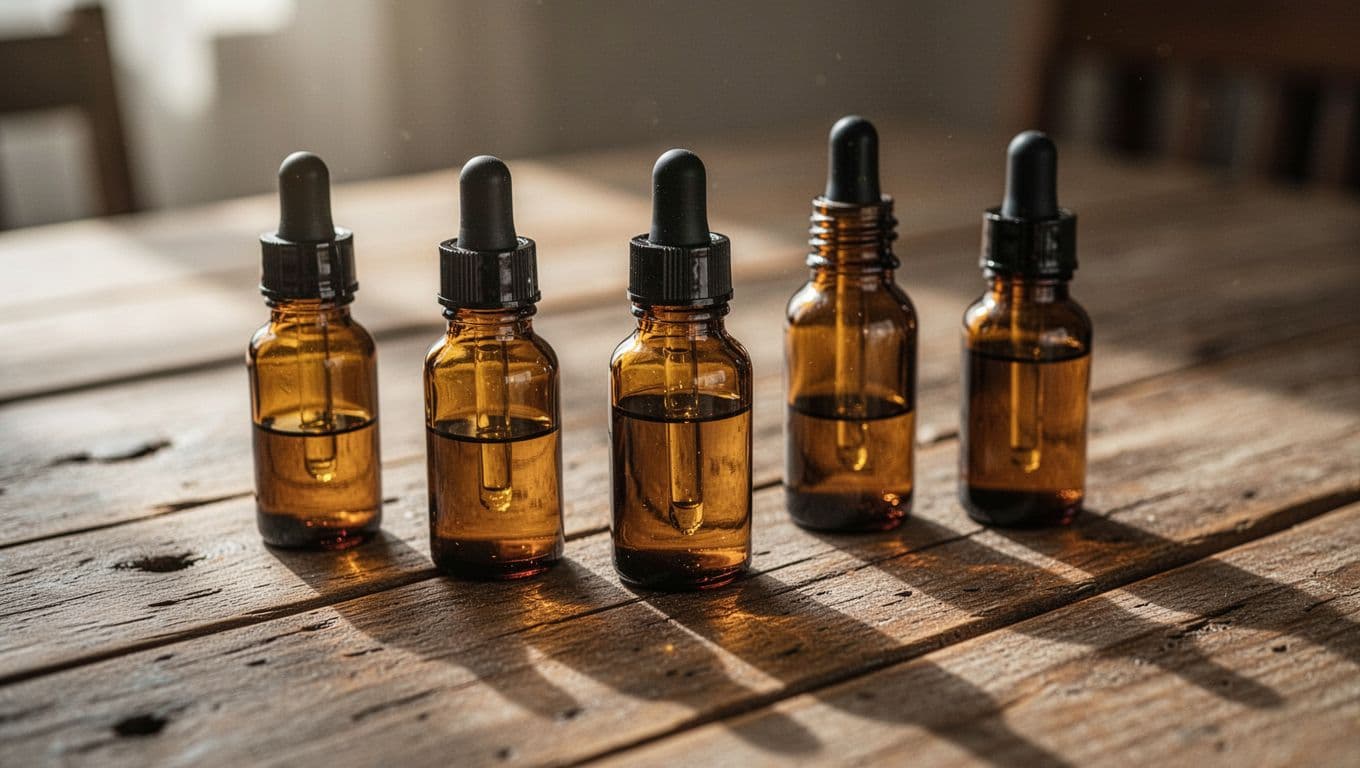
Fresh and uplifting oils for energy and clarity
When you want to feel more awake, lighter, or mentally clear, fresh scents usually make the most sense. These oils tend to smell crisp, bright, or clean, and they can give the room a more active feel without becoming overpowering.
Peppermint is a common pick because it feels cool and sharp. Rosemary is another favorite for people who want a clearer head, while eucalyptus often adds a clean, open scent that feels refreshing. Citrus oils like orange, lime, and bergamot can also lift the mood and make the session feel brighter.
These scents work well when you want a massage that leaves you feeling reset instead of sleepy. They can be a good choice for daytime appointments, after a long week, or before heading back into a busy schedule.
A few popular options include:
- Peppermint for a cool, alert feeling
- Rosemary for mental clarity
- Eucalyptus for a fresh, open scent
- Orange or bergamot for a lighter mood
The key is strength. A little goes a long way, especially with minty oils. For massage use, they should always be diluted with a carrier oil so the scent stays pleasant and the skin stays comfortable. The Healthline guide to massage oil choices offers a helpful overview of what to look for when picking oils for body use.
Soft, floral, and calming oils for relaxation
When the goal is rest, softer scents usually fit best. Floral and gently grounding oils can help the room feel warm, peaceful, and unhurried, which makes it easier to let go of the day.
Lavender is one of the best-known calming oils because its scent is smooth and easy to relax into. Chamomile has a mellow, soothing quality, and frankincense brings a deeper, steadier note that many people find comforting. Cedarwood also works well when you want something quiet and earthy rather than bright.
These oils are often chosen for evening sessions, stress relief, or moments when the body feels tense and the mind feels full. They pair nicely with slow massage strokes because they support the same calm pace.
If you prefer a spa-like atmosphere, softer blends often feel more natural than sharp or stimulating ones. They do not need to smell strong to work well. In fact, a gentle scent often lingers in a better way.
The most relaxing blend is often the one you barely notice at first, then miss when it’s gone.
For a simple scent guide, the Aromatherapy & Massage guide from MBLExGuide gives a clear look at how different oils are commonly used in massage settings.
How to choose a blend that feels right to you
The best blend starts with your own nose. If a scent feels too sharp, too sweet, or too heavy, it will be hard to relax into the session, even if the oil is popular. Your body usually tells you what it likes faster than any list can.
It helps to think about three things before your massage:
- Your goal. Do you want more energy, less stress, or better sleep later?
- Your sensitivity. Strong scents can feel soothing to one person and irritating to another.
- Your scent preference. If you already enjoy a certain smell, you are more likely to relax with it.
That last point matters more than people think. The best aromatherapy blend is usually the one that feels pleasant and calming to you, not the one with the longest ingredient list. A simple scent you enjoy often works better than a fancy mix you do not like.
Dilution matters too. Essential oils are strong, so they should never be used straight on the skin during massage. A good blend uses just enough oil to smell clear without taking over the room. That balance keeps the experience soothing instead of overwhelming.
If you are unsure, start light. A softer blend gives you room to notice how your body responds. Then you can ask for more of the same style next time, or try a different scent family if your mood changes.
Choosing the right oil is less about rules and more about fit. When the scent matches your goal, the whole massage feels more personal, more comfortable, and easier to enjoy.
Who May Enjoy Aromatherapy Massage Most
Aromatherapy massage often appeals to people who want more than muscle work alone. The scent, the pace, and the touch come together, so the session feels soothing on both a physical and emotional level. If you want a treatment that helps you slow down, breathe easier, and feel more settled in your body, this style of massage may fit well.
When it can be a good fit
Aromatherapy massage is a strong choice when life feels crowded and your body is carrying the load. It can feel especially comforting for people with busy schedules, long workdays, or too many hours spent at a desk or on the road. The session gives you a rare stretch of quiet where your shoulders can drop and your mind can stop racing.
It also fits well when your body feels tight but not injured. Sore necks, stiff backs, clenched jaws, and tired legs often respond well to slow, steady massage with a calming scent in the room. Many people like it after a stressful week, before a restful evening, or during a season when they need gentle recovery time.
Aromatherapy massage can also be a good match if you feel drained rather than in pain. Some people book it when they want to feel calmer, sleep better, or shake off the flat mood that comes with too much pressure and not enough rest. The scent can act like a soft cue, telling your body it’s safe to relax.
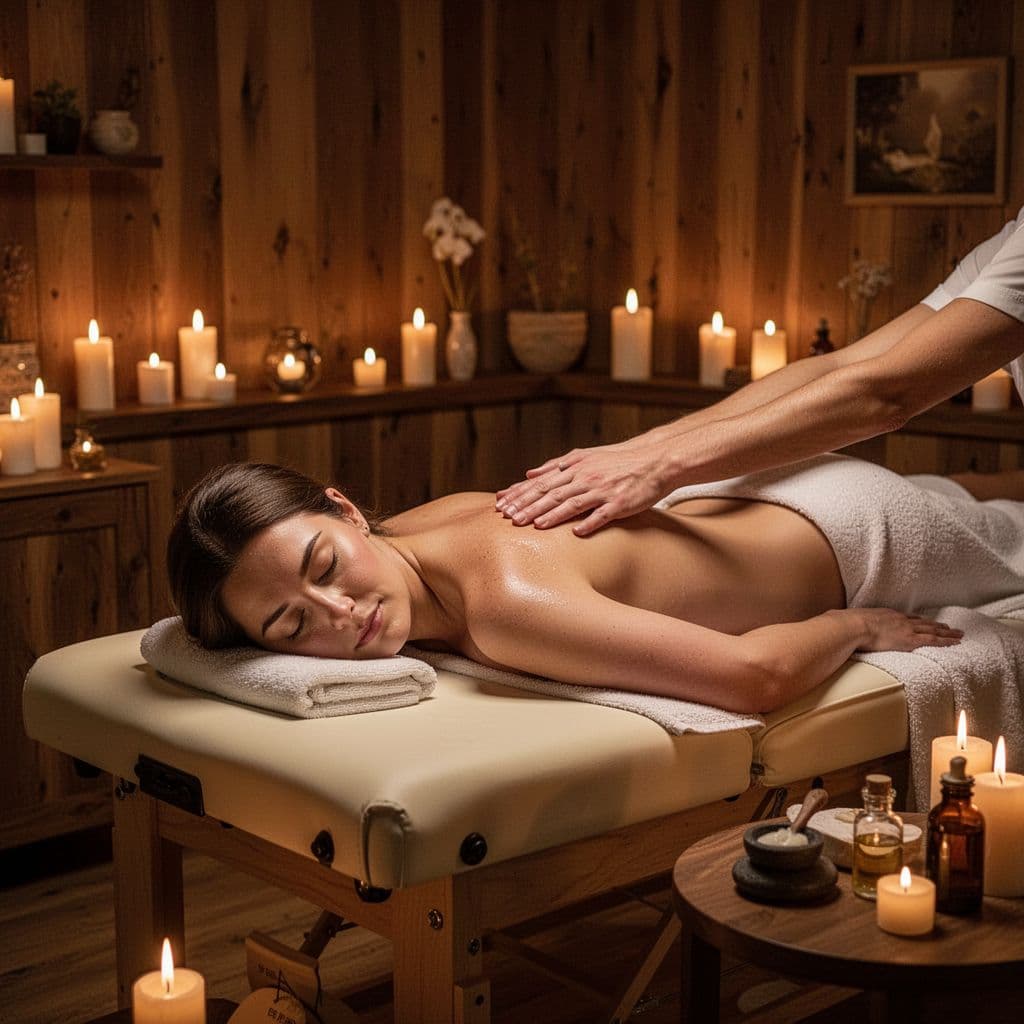
People often enjoy it most when they want:
- Stress relief after a packed week
- Help unwinding before sleep
- Comfort for tense muscles in the neck, shoulders, or back
- A quiet reset with fewer distractions
- A spa experience that feels softer and more personal
According to Healthline’s overview of aromatherapy massage, many people seek it for relaxation, sleep support, and mild tension relief. That matches what clients often describe after a session, a lighter body, a calmer mood, and a slower pace that lasts beyond the massage room.
When to pause and ask first
Some people should check with a professional before booking. Skin sensitivity is a common reason to be cautious, especially if you react to lotions, oils, perfumes, or scented products. Even a small amount of essential oil can irritate sensitive skin, so it’s smart to speak up before the session begins.
Scent sensitivity matters just as much. If strong smells trigger headaches, nausea, or breathing discomfort, aromatherapy may feel overwhelming instead of relaxing. In that case, a plain massage or a very mild blend may be a better fit.
Health conditions also deserve a careful look. Pregnancy, breastfeeding, asthma, epilepsy, blood clot concerns, and certain skin conditions all call for extra care. Some essential oils are not recommended in these situations, and a therapist should know before any oil is used.
If you have any medical concern, ask before you book. A short conversation now can save you from a poor reaction later.
It’s also wise to ask first if you take multiple medications, have allergies, or are recovering from an injury. For a general reference on aromatherapy precautions, Cleveland Clinic’s aromatherapy guide gives a clear overview of when extra care is needed. That kind of check helps keep the experience safe, comfortable, and suited to your body.
Why it appeals to regular spa lovers
People who already enjoy massage often like aromatherapy massage because it adds another layer of comfort without making the session feel busy or complicated. The scent becomes part of the ritual. The room feels more inviting, the body settles faster, and the whole visit can feel more complete.
For regular spa guests, that extra sensory detail matters. A familiar massage can become more memorable when paired with lavender, eucalyptus, chamomile, or another scent that matches the mood you want. It feels like the difference between a plain blanket and one that’s warm, soft, and exactly what you wanted.
This treatment also suits people who love the spa atmosphere itself. If you enjoy the quiet before the massage, the scent in the air, and the feeling of being fully cared for, aromatherapy massage gives you all of that in one session. It can feel especially nice when you want to leave not just relaxed, but also lightly refreshed.
Many repeat spa clients choose it for one simple reason, it feels personal. You can shape the session around calm, energy, sleep, or comfort, which makes the experience more than routine. That flexibility is part of the appeal, especially for people who return to massage as part of their self-care.
Aromatherapy massage is a good fit for anyone who wants touch with a softer edge. If you like scent-based relaxation, need a reset after stress, or want a more comforting spa visit, this treatment can be an easy one to love.
Aromatherapy Massage Kilimani: What Local Spa Guests May Want to Know
In Kilimani, a good aromatherapy massage should feel calm from the moment you step inside. The best local spa experiences are often the ones that make busy city life feel far away, even for an hour.
If you live or work nearby, the real value is convenience paired with care. You want clean rooms, skilled hands, and oils that match your mood, not a rushed visit that leaves you more tense than when you arrived.
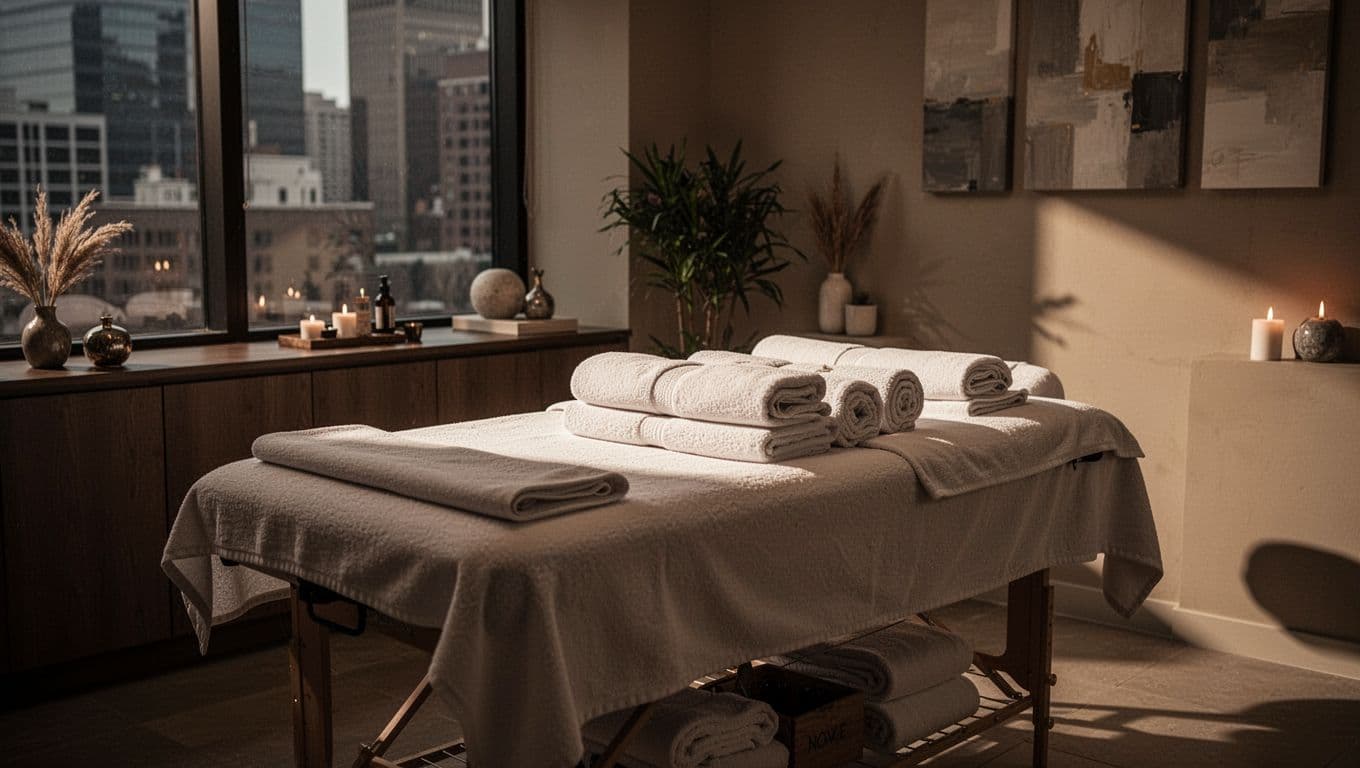
What to look for in a nearby spa experience
A strong spa in Kilimani should feel clean before it feels fancy. Fresh linens, tidy floors, covered tools, and a room that smells pleasant without feeling heavy all matter. Hygiene is never a small detail in massage, because it shapes both comfort and trust.
Atmosphere matters just as much. The space should feel quiet, private, and easy to settle into, with soft lighting and minimal noise from outside. A peaceful room helps your body relax faster, especially if you are coming straight from work or traffic.
Trained therapists make a real difference too. You want someone who listens, adjusts pressure well, and understands how to work with different oil blends. A good therapist keeps the session personal, not mechanical.
A nearby spa can also help if you want regular self-care without a long trip across town. For a broader look at massage options in the area, massage services in Kilimani show how local spas often combine convenience with relaxation.
A calm room, clean setup, and skilled touch are the basics that should never be missing.
Why convenience matters for busy schedules
When your schedule is full, location becomes part of the treatment. A spa close to home, work, or your usual route makes it easier to book a session without turning the whole day upside down. That matters when you want massage to become a habit, not a rare treat.
Easy booking helps even more. If a spa offers quick calls, simple online reservations, or flexible time slots, you are more likely to keep your appointments. That small bit of ease can be the difference between saying “someday” and actually showing up.
Shorter travel time also protects the calm you just paid for. No one wants to leave a peaceful massage room and sit in traffic for an hour. A nearby spa lets that relaxed feeling last longer, which is part of the point.
Many people in Kilimani look for relaxation that fits around errands, meetings, or family plans. That is why nearby treatment rooms work so well. They make self-care feel possible on a normal weekday, not just during a long break.
A convenient spa visit often means:
- Less travel stress before and after the session
- Easier repeat bookings for regular care
- More reliable timing for lunch breaks or after-work visits
- A smoother routine when self-care has to fit around real life
In short, convenience helps you protect the time you set aside for rest. When the spa is close and the booking process is simple, you are more likely to keep coming back.
Questions to ask before you book
A few clear questions can save you from a disappointing session. Before you book, ask what essential oils they use and whether they can avoid any scent you dislike. If you prefer something soft and calming, say so. If you want something fresher, the therapist should be able to guide you toward a better match.
It also helps to ask about session length. A 30-minute massage may suit a quick reset, while 60 or 90 minutes gives the therapist more time to ease tense spots and let the scent settle in. The right length depends on your goal and how much time you can spare.
Pressure is another key point. Some people want light, flowing strokes. Others need firmer work on the neck, shoulders, or lower back. Good spas will ask about pressure before they start, and they should adjust if something feels too strong.
You can also ask whether the spa tailors the experience to personal needs. That may include:
- Oil choices for relaxation, freshness, or sensitivity
- Pressure levels that match your comfort
- Areas to focus on if your back, shoulders, or legs need extra care
- Scents to avoid if you are sensitive to strong aromas
A good aromatherapy massage in Kilimani should feel tailored, not generic. The best results usually come when you speak up early and let the therapist shape the session around your body and your preferences.
Conclusion
Aromatherapy massage stays popular for a simple reason, it gives the body relief and gives the mind room to settle. The blend of soothing touch and a well-chosen scent can ease stress, loosen tight muscles, and leave the whole session feeling more restful.
That is also why the best experience feels personal. A calming lavender blend, a fresh eucalyptus note, or a softer floral oil can change the mood of the room, so your comfort and scent preference should guide the choice.
If you want the most from an aromatherapy massage, choose a session that matches your goals, whether that means better sleep, less tension, or a calmer pause in a busy week. When touch and scent work together well, the result is simple and lasting, a body that feels lighter and a mind that feels easier to carry.