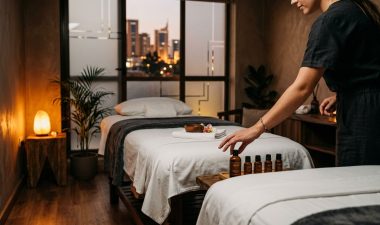
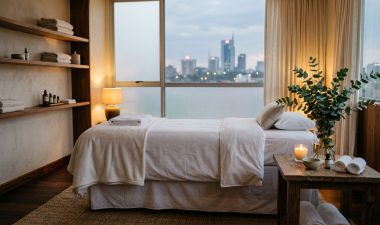
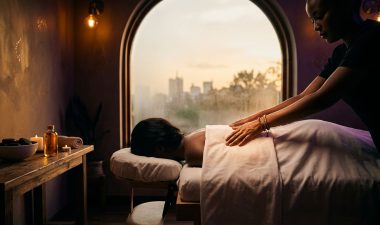
Kilimani moves fast, with office runs, traffic, errands, and full days that leave little room to slow down. That’s one reason massage in Kilimani has become such a popular way to reset, ease tension, and feel like yourself again.
If you’ve been carrying stress in your shoulders, sitting for long hours, or craving a calmer hour in the middle of a crowded week, the right spa can make a real difference. Massage can help you relax, ease sore muscles, and leave your body feeling lighter, while the style you choose shapes the whole experience.
The challenge is knowing what works best for your body and which spa deserves your time. Keep reading to see the most helpful massage benefits, the common styles you’ll find in Kilimani, and how to choose a good spa with confidence.
Why massage in Kilimani feels like a reset for busy Nairobi days
A good massage in Kilimani does more than help you relax for an hour. It gives your body a break from the tight grip of traffic, desk work, errands, and the mental noise that follows you all day.
That feeling matters in a neighborhood like Kilimani, where many days start early and end late. When your shoulders feel heavy and your mind stays switched on, a calm treatment can feel like pressing pause.
The everyday problems a good massage can ease
Long hours at a desk often show up in the same places first, the neck, shoulders, and lower back. Add phone use, laptop strain, gym soreness, or a stressful commute, and the body starts to feel hard and tight.
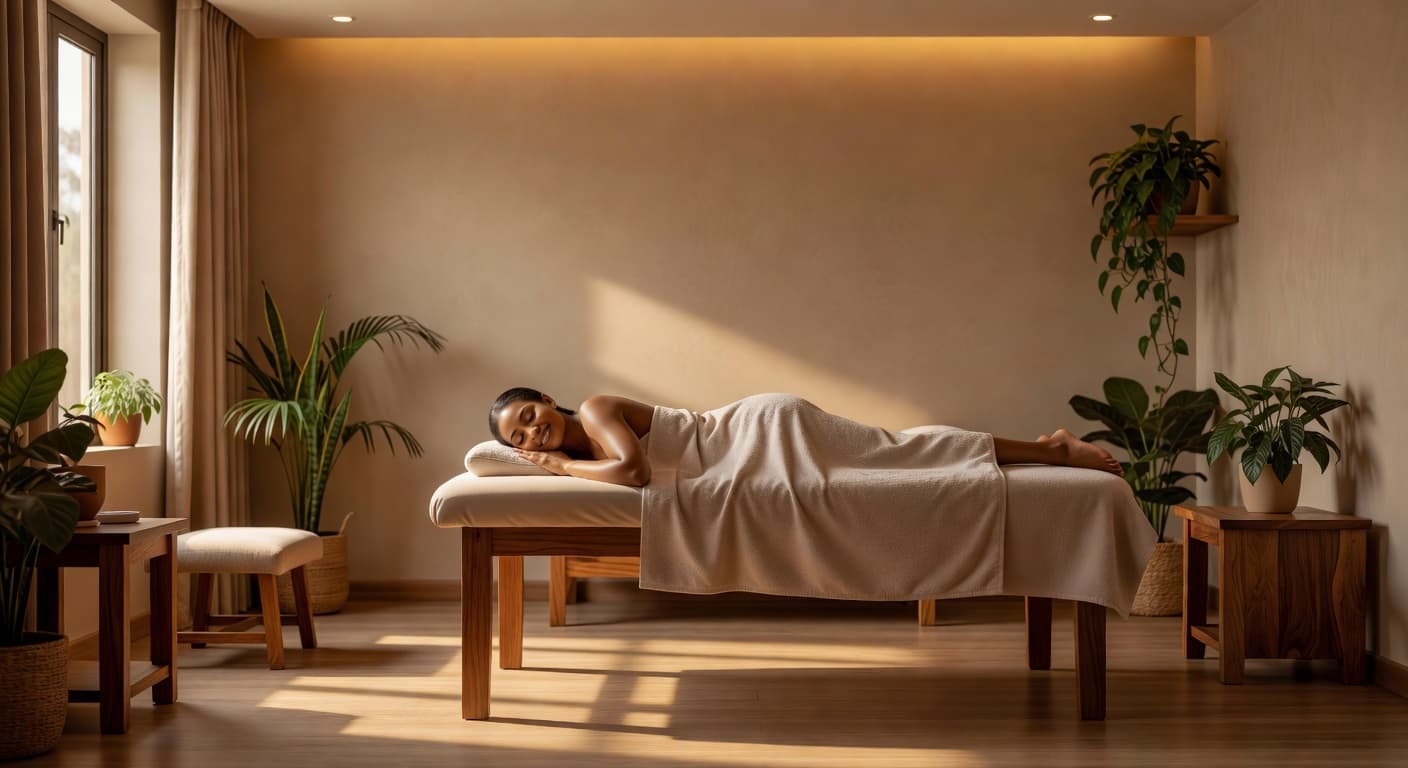
Massage helps by easing that tension and giving tired muscles room to loosen. It can also support better blood flow, which many people notice as a warmer, lighter feeling after a session.
[ ]()
]()
People also turn to massage when fatigue builds up in the background. After a long week, the body can feel drained even when nothing feels “wrong” in a dramatic way. A steady session can help you feel more comfortable, more settled, and less wound up.
The mental side matters too. When your schedule is full, your brain rarely gets a clean break. Massage creates a quieter space, so many people leave feeling calmer, less overloaded, and better able to rest later.
A few common benefits people look for include:
- Less neck and shoulder tension after screen-heavy days
- Relief for lower back tightness from sitting or standing too long
- Softer, looser muscles after workouts or busy workweeks
- A calmer mind when stress has been building
- Better sleep quality after an evening session or a slow wind-down
Massage works best as a reset, not a quick fix. The goal is comfort, recovery, and a better next day.
Why people in Kilimani choose massage close to home
Convenience makes a big difference. If your spa is nearby, you don’t have to turn self-care into a full-day project. You can fit it between meetings, after work, or on a weekend without spending half your energy on the trip there and back.
That ease changes the whole habit. Instead of waiting for a rare free day, you can build wellness into normal life. A local massage feels practical because it fits the rhythm of Kilimani, where time is always moving and quiet moments are precious.
There’s also something grounding about stepping out of the noise and into a calm room just a few minutes away. The contrast feels sharp in the best way. Traffic, calls, and deadlines stay outside while your body gets a chance to settle.
For many people, that nearby escape is the real appeal. It turns massage into a regular reset, not a special occasion.
The most popular massage styles people ask for in Kilimani
Kilimani spa menus usually revolve around comfort, tension relief, and a clear path to relaxation. Most people want a treatment that matches how their body feels that day, whether they need something soft and calming or something that works harder on tight muscles.
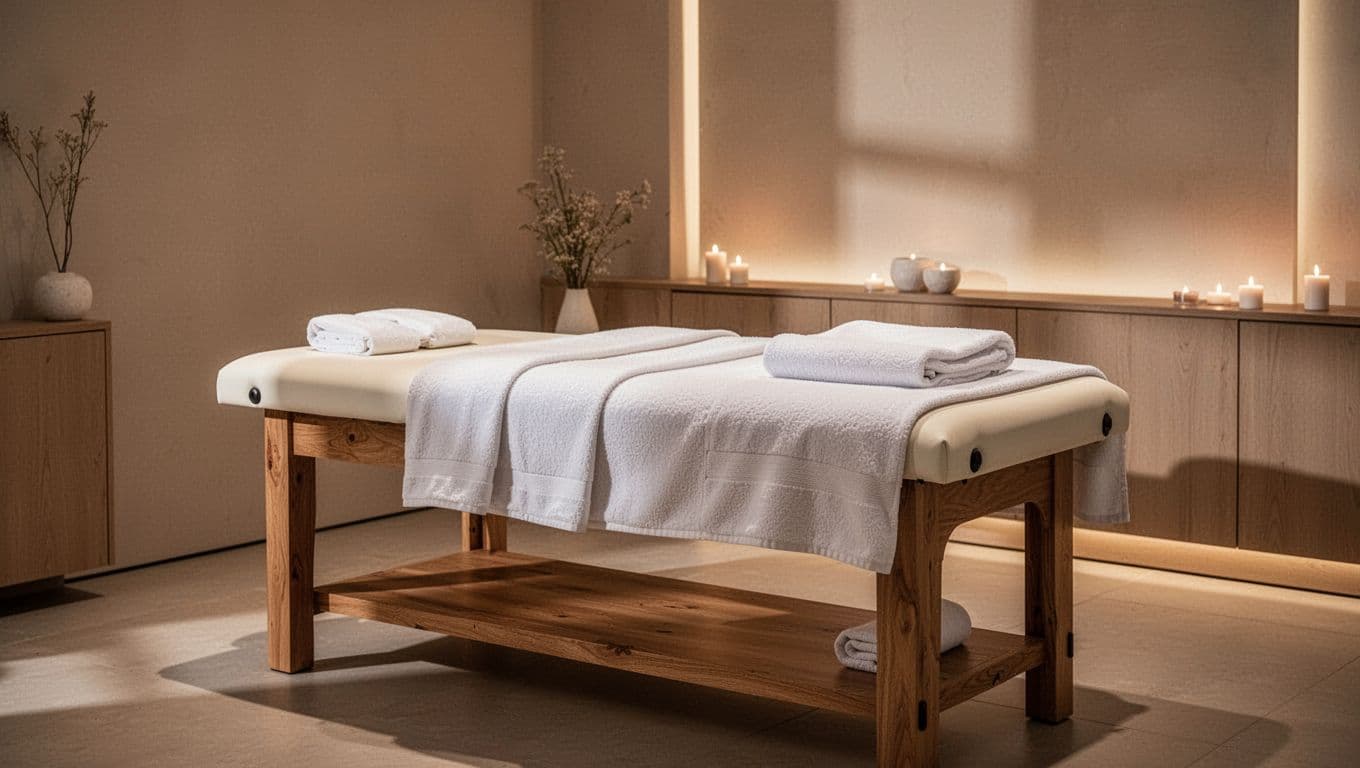
That is why a few styles show up again and again. Each one has a different pace, pressure level, and feel, so the best choice depends on what you want your session to do.
Swedish massage for a lighter, calming touch
Swedish massage is one of the easiest styles to start with. It uses smooth strokes, gentle kneading, and light to medium pressure, so the body can relax without feeling pushed too hard.
This is a good option if you want stress relief, a softer touch, or your first massage experience. Many first-time visitors like it because the pace feels easy to follow, and the pressure can usually be adjusted without much fuss.
It also works well when you simply want to unwind after a busy day. If your shoulders feel a little heavy, but not sharply sore, Swedish massage often feels like a calm reset rather than a strong treatment.
Deep tissue massage for stubborn tight spots
Deep tissue massage goes after the deeper layers of muscle and fascia. People usually choose it when they have knots, long-term tension, or soreness that stays put no matter how much they stretch.
The pressure can feel firm, but it should still stay within a comfortable range. A good therapist checks in and adjusts pressure so the work feels effective, not harsh.
This style is common after workouts, long work hours, or repeated strain from sitting at a desk. It can feel a bit more intense during the session, yet many people like the way it leaves the body looser afterward.
A useful way to think about it is simple:
- Swedish massage suits relaxation and general stress relief.
- Deep tissue massage suits tight spots, chronic tension, and muscle recovery.
- Aromatherapy or hot stone suits people who want extra comfort and a more spa-like mood.
Deep tissue massage should feel strong, but never painful enough to make you tense up.
Hot stone and herbal massage for extra comfort
Hot stone massage adds warmth to the experience. Smooth heated stones rest on the body or glide across tense areas, and that heat helps muscles soften faster. For many people, that warmth makes the session feel richer and more restful.
Herbal massage brings in natural elements such as herbal oils, compresses, or infused products. The appeal is often in the mix of scent, touch, and warmth, which can make the whole session feel more soothing and personal.
These styles are popular with people who want a slower, more spa-like experience. If you like the idea of floating out of the room rather than just feeling worked on, this is usually the lane to explore.
Aromatherapy and specialty treatments for mood and balance
Aromatherapy massage uses scented oils to support relaxation and create a certain mood. Lavender often feels calming, citrus oils can feel fresh, and other blends may help the room feel more peaceful from the first few minutes.
Specialty treatments often mix massage with extra touches, such as custom oil blends, scalp work, foot focus, or lighter stretching. That flexibility matters because not every visit needs the same approach. Sometimes you want a full-body session, and other times you want the therapist to focus on the areas that feel most tired.
These options are appealing when you want your massage to feel more personal. The scent, pressure, and pace can all shape the experience, so the treatment feels like it was chosen for your mood, not just your muscles.
If you are unsure where to begin, start with the reason you booked. For relaxation, choose Swedish. For stubborn tension, choose deep tissue. For a softer, more luxurious feel, choose hot stone, herbal, or aromatherapy. For a more active session that blends guided stretching with firm pressure, Asian massage styles such as Thai massage offer a different approach.
How to choose the right spa for massage in Kilimani
The right spa should feel calm before the massage even starts. You want clear service options, a clean space, and staff who make you feel at ease without rushing you.
In Kilimani, that first impression matters. A good spa gives you confidence from the moment you walk in, because trust, comfort, and professionalism shape the whole visit.
Signs a spa takes care and cleanliness seriously
A clean spa is easy to feel. Fresh towels, tidy rooms, and a peaceful setting tell you the space is prepared for real clients, not just set up for show.
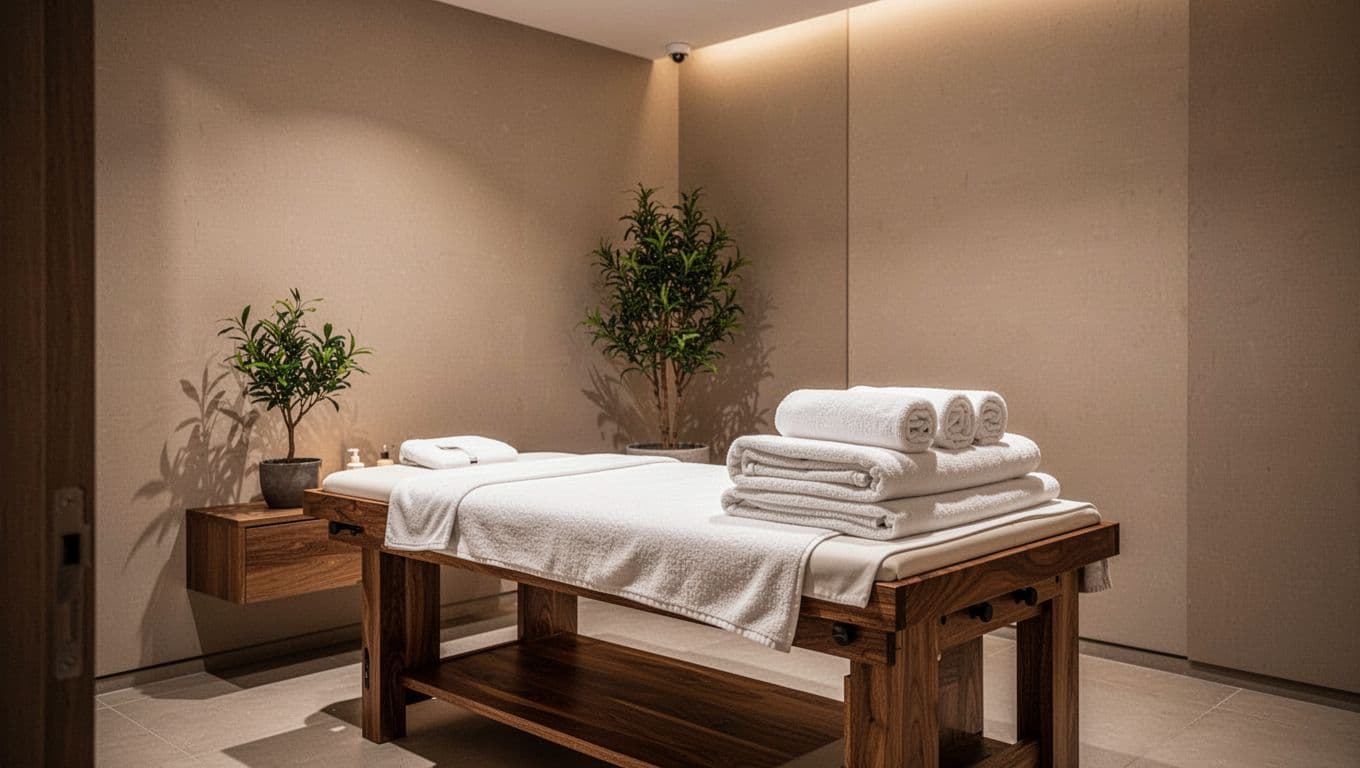
Look at the details. The table should be neat, the linens should look fresh, and the room should smell clean, not heavy or stale. Small things matter here, because they tell you how the spa handles every client.
Professional staff behavior matters just as much. Reception should feel organized, therapists should speak clearly, and your comfort should never seem like an afterthought. You should feel safe asking questions about pressure, privacy, or the session flow.
If a spa feels messy, tense, or careless at the front desk, that feeling usually follows you into the treatment room.
A calm environment helps your body relax faster. Soft lighting, quiet movement, and respectful communication all work together. When those pieces are in place, the spa feels like a shelter, not another source of stress.
Why service menus, prices, and booking details matter
Clear service menus save time and remove guesswork. When a spa explains each massage style in simple language, you can choose faster and with less doubt.
Prices should also be easy to find. If the menu is vague or the costs change without explanation, booking starts to feel uncertain. In contrast, open pricing helps you compare services and pick the one that fits your budget.
Booking should be simple too. A good spa gives you an easy way to reserve a session, whether that means a call, a message, or a short online form. You should not have to chase details just to lock in a time.
Before you book, look for these basics:
- Clear service names that tell you what the treatment includes
- Simple price listings with no confusion about add-ons
- Easy reservation steps that let you choose a time without stress
- Working contact details so you can ask a quick question if needed
When a spa makes booking smooth, it also shows respect for your time. That matters if you’re fitting massage into a busy Kilimani schedule.
What reviews and testimonials can tell you
Reviews can reveal far more than star ratings. They often show how the massage actually feels, how the therapist handles pressure, and whether the spa keeps a calm, steady mood.
Look for patterns in the feedback. If several people mention skilled therapists, clean rooms, or friendly service, that carries more weight than one glowing comment. On the other hand, repeated complaints about poor hygiene, late starts, or rushed sessions are hard to ignore.
Honest reviews also help you spot the kind of experience you can expect. Some clients may praise strong pressure and muscle relief, while others may talk about gentle care and a relaxing setting. That mix tells you whether the spa matches your needs.
A few things deserve extra attention:
- Massage quality, because people often mention whether the pressure felt right and the session felt effective.
- Therapist skill, since good clients’ notes often mention care, confidence, and good communication.
- Overall mood, because a spa can have skilled hands but still feel noisy, cold, or awkward.
Read beyond the praise. A review that mentions one or two small issues, but still gives a balanced picture, often feels more honest than a perfect five-star list. Those details help you see the spa as it really is, not just as it wants to be seen.
When you combine cleanliness, clear pricing, easy booking, and real client feedback, choosing a spa becomes much simpler. You can walk in with a better sense of what to expect, and that makes the massage feel smoother from the start.
What to expect before, during, and after your session
A massage goes more smoothly when you know the rhythm of the visit. The experience is simple, calm, and built around your comfort, so there is no need to overthink it. A few small steps before you arrive, a clear sense of what happens on the table, and good care afterward can make the whole session feel even better.
How to prepare for your appointment
Arrive a little early if you can. That gives you time to settle in, fill out any forms, and slow your pace before the massage starts. When you walk in rushed, your body often stays tense for longer.
Wear comfortable, loose clothing so changing feels easy. If you have any health concerns, say them early, including injuries, allergies, recent surgery, pregnancy, or areas that feel tender. A good therapist uses that information to shape the session safely.
Pressure matters too. If you like a light touch, say so. If your muscles need firmer work, say that as well. Clear feedback helps the therapist match the massage to your body instead of guessing.
A simple pre-visit checklist can help:
- Drink water earlier in the day, but don’t chug a lot right before the session.
- Eat lightly, so you don’t feel full on the table.
- Bring up pain points, medical issues, or sensitive spots.
- Ask for the pressure you want, whether gentle, medium, or firm.
- Keep your outfit easy to change in and out of.
The best massage starts with honest communication. A few clear words can shape the whole session.
What usually happens during the massage
The visit usually begins with a warm greeting and a short check-in. The therapist may ask about your goals, the pressure you want, and any problem areas. That quick conversation helps set the tone and gives the session a clear direction.
Next, you’ll be shown to the treatment room and given privacy to get ready. Most sessions use a sheet or towel for coverage, and only the area being worked on is exposed. That setup helps you relax without feeling exposed or rushed.
Once the massage begins, the therapist uses oil or lotion to reduce friction and help the hands move smoothly. The pace is usually steady and calm. You may feel long strokes, kneading, or focused pressure on tight spots, depending on the style you chose.
During the session, your job is simple: breathe normally, loosen your jaw, and let your body settle. If something feels too intense, too cold, or uncomfortable, speak up right away. Good therapists want that feedback, because comfort matters more than staying silent.
After the main treatment, the therapist often gives you a few quiet minutes to rest before you stand up. That pause helps your body catch up, especially if you feel relaxed or a little sleepy. It is a gentle landing, not a sudden stop.
How to care for your body after the massage
After the massage, drink water again. Hydration helps your body recover and keeps you from feeling sluggish later. A glass or two is usually enough, unless your therapist tells you otherwise.
Gentle movement also helps. A short walk, easy stretching, or slow shoulder rolls can keep your muscles from tightening back up. Keep it light, though, because your body has already done enough work for one day.
If possible, give yourself some rest. You may feel loose, calm, or even a little sleepy after the session. That feeling is normal, especially after deeper pressure or a longer treatment.
Later in the day, pay attention to how your body feels. Some people notice immediate relief, while others feel the benefits more clearly that evening or the next morning. Mild soreness can happen after firmer work, but it should ease as you hydrate and move gently.
For the best result, avoid heavy exercise right after your appointment. Let the treatment settle first, then return to your routine at a relaxed pace. Your body will usually thank you with less tightness and a calmer, lighter feeling.
A good massage should leave you clearer, softer, and more at ease. When you prepare well, stay present during the session, and care for yourself afterward, the benefits tend to last longer.
Simple questions people should ask before they book
A good massage booking starts with a few clear questions. They save time, prevent awkward surprises, and help you choose a session that matches your body, not just the menu.
If you want massage in Kilimani that feels worth the visit, ask about the goal, the time, and any health concerns before you confirm. Those answers tell you whether the spa is right for stress relief, sore muscles, or simple rest.
Which massage type fits my goal best?
Start here, because the wrong style can leave you disappointed. If you want to unwind, a Swedish massage usually fits best. If your shoulders are locked up, your lower back feels stubborn, or you need muscle recovery, deep tissue may be the better choice.
For a softer, more restful visit, ask about hot stone, herbal, or aromatherapy options. Those work well when you want comfort more than pressure. A helpful question is simple: “What massage do you recommend for stress, pain, or recovery?”
That question gives the therapist a chance to guide you before you book. It also helps you avoid paying for a treatment that sounds nice but misses the mark.
How long should the session be?
Session length matters more than many people expect. A short massage can help with one tight area, while a longer one gives the therapist time to work through the whole body.
Choose based on three things:
- Your budget, because longer sessions cost more
- Your schedule, because a rushed visit feels less relaxing
- Your main pain point, because one sore area may need less time than full-body tension
If you only need neck and shoulder work, a shorter session may be enough. If you want full-body relaxation or deeper muscle care, a longer booking usually feels more complete. Ask the spa what each time slot includes so you know exactly what you are getting.
Are there any health concerns I should mention?
Yes, and this question matters for safety. Always share injuries, recent surgery, pregnancy, allergies, chronic pain, or any condition that changes how your body should be treated.
A therapist can adjust pressure, avoid sensitive spots, and choose safer techniques when they know the full picture. That includes small details too, like skin sensitivity or a joint that flares up after long sitting.
If something feels private, keep it simple and direct. A short note about your condition is enough to help the therapist work with care. When you speak up early, the session feels smoother, safer, and more personal.
Conclusion
Massage in Kilimani works best when it fits real life. It should ease tight shoulders, calm a busy mind, and give your body a cleaner reset after long days in Nairobi. The right style matters too, whether you need the lighter touch of Swedish massage, the firmer pressure of deep tissue, or the warmth of hot stone and herbal care.
The best spa visit also feels simple from the start. Clean rooms, clear prices, easy booking, and therapists who listen well all shape the experience before the first stroke begins. When those pieces are in place, massage feels less like a treat you save for later and more like a steady part of taking care of yourself.
That is what makes massage in Kilimani so useful, it can be a small escape, yet it can also become a reliable habit that supports comfort, recovery, and rest. If your body has been asking for a pause, the right session can answer it with calm, warmth, and lasting relief.