
Hot Oil Massage Benefits, What to Expect, and How to Choose One
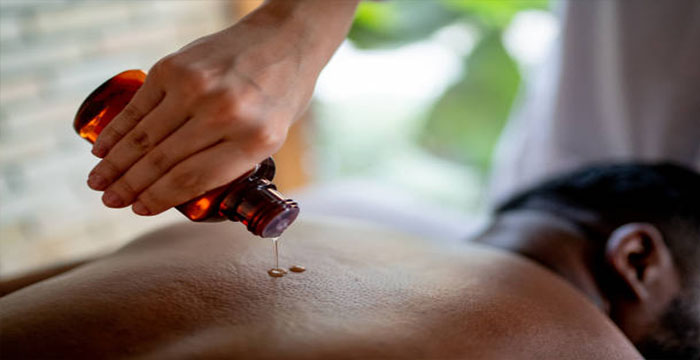
Warm oil on tense skin can feel like the day finally slows down. A hot oil massage uses gently warmed oil to ease tight muscles, soften the skin, and bring a calm, grounded feeling that lingers after the session ends.
People seek it out for relaxation, relief from stiffness, and a little extra care for dry skin or tired shoulders. In some cases, it can also help the scalp and hair feel softer, which makes it a favorite for anyone who wants comfort and care in one session.
If you’ve been curious about what a hot oil massage feels like, why it’s so soothing, and how to choose the right one, the details ahead will make it easy to decide.
What a hot oil massage actually is
A hot oil massage uses gently warmed oil to help the therapist work over the body with less drag and more comfort. The oil is usually heated to a skin-safe temperature, then applied in smooth strokes that feel softer than a dry massage and more fluid than a standard oil session.
The result is simple: the body feels more at ease, the skin feels more cushioned, and the whole treatment often feels calmer from the first touch. Warm oil also changes the pace of the massage, since the heat helps the hands move in long, even strokes that soothe tired muscles.
How the warm oil changes the massage experience
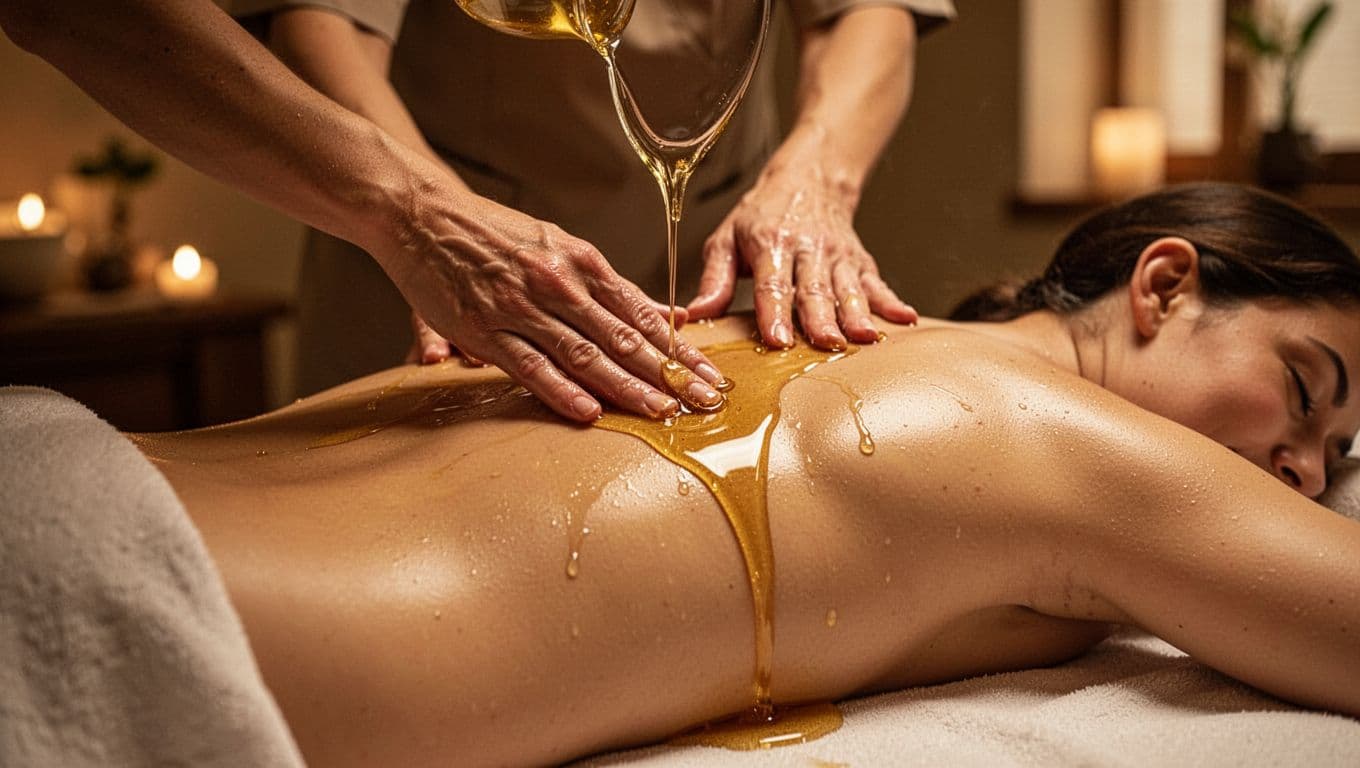
Heat makes a bigger difference than most people expect. Warm oil helps the body settle faster, because the skin responds to the gentle temperature change before the deeper work even begins. That first wave of warmth can loosen a guarded feeling in the muscles and make the session feel more comforting right away.
It also changes how the strokes glide. Instead of catching on dry or tense skin, the therapist’s hands move smoothly, almost like silk over water. That smoother touch can make the massage feel less mechanical and more enveloping.
Warm oil can make a session feel softer, calmer, and easier to relax into.
For many people, that warmth turns the treatment into a more restful experience overall. A hot oil massage overview explains how heat adds to the calming effect and helps ease tension during the session.
Common oils used and why they matter
Different oils bring different textures, scents, and skin benefits. That matters because the best oil for a massage is not the same for everyone. Some people want a rich, heavy feel, while others prefer something lighter that absorbs more quickly.
Common choices include:
- Coconut oil for dry skin and a rich, moisturizing feel
- Almond oil for a smooth glide and a light, skin-friendly finish
- Sesame oil for a traditional, warming feel that works well in many massage styles
- Jojoba oil for a lighter option that mimics the skin’s natural oils
- Herbal blends for added scent and a more spa-like experience
According to massage oil benefits, the oil type can affect both comfort and how your skin feels after the treatment. In other words, the oil is part of the experience, not just a tool for the therapist’s hands.
Some oils suit dry skin better, while others work well for people who dislike a heavy finish. Scent also plays a role, especially if you want something calming, fresh, or lightly floral.
Who usually enjoys this kind of treatment
Hot oil massage tends to appeal to people who want more than basic muscle work. It often feels right for anyone carrying stress in the shoulders, jaw, or lower back, because the warmth encourages the body to let go.
It also suits people with dry skin, since the oil adds moisture and a softer finish to the session. If your skin feels tight, flaky, or easily irritated, the right oil can make the treatment feel especially soothing.
Many people choose it for:
- Stress relief after long workdays or busy weeks
- Muscle tension in the neck, back, and shoulders
- Dry or tired skin that needs extra moisture
- Deep relaxation when they want a slower, calmer session
- General self-care when they want comfort and warmth
A hot oil massage can also appeal to anyone who likes a more nurturing treatment style. The warmth, the glide, and the gentle pace create a feeling that is both physical and restful, which is why so many people return to it again and again.
The real benefits people notice after a hot oil massage
The best part of a hot oil massage is how quickly the body starts to feel more at ease. The warmth softens the skin, the strokes feel smoother, and tension often gives way to a calmer, looser feeling that lasts after the session ends.
People usually notice a mix of physical and mental shifts. Muscles feel less guarded, the mind feels quieter, and the skin often feels cared for instead of stripped or dry.
It can help tight muscles let go
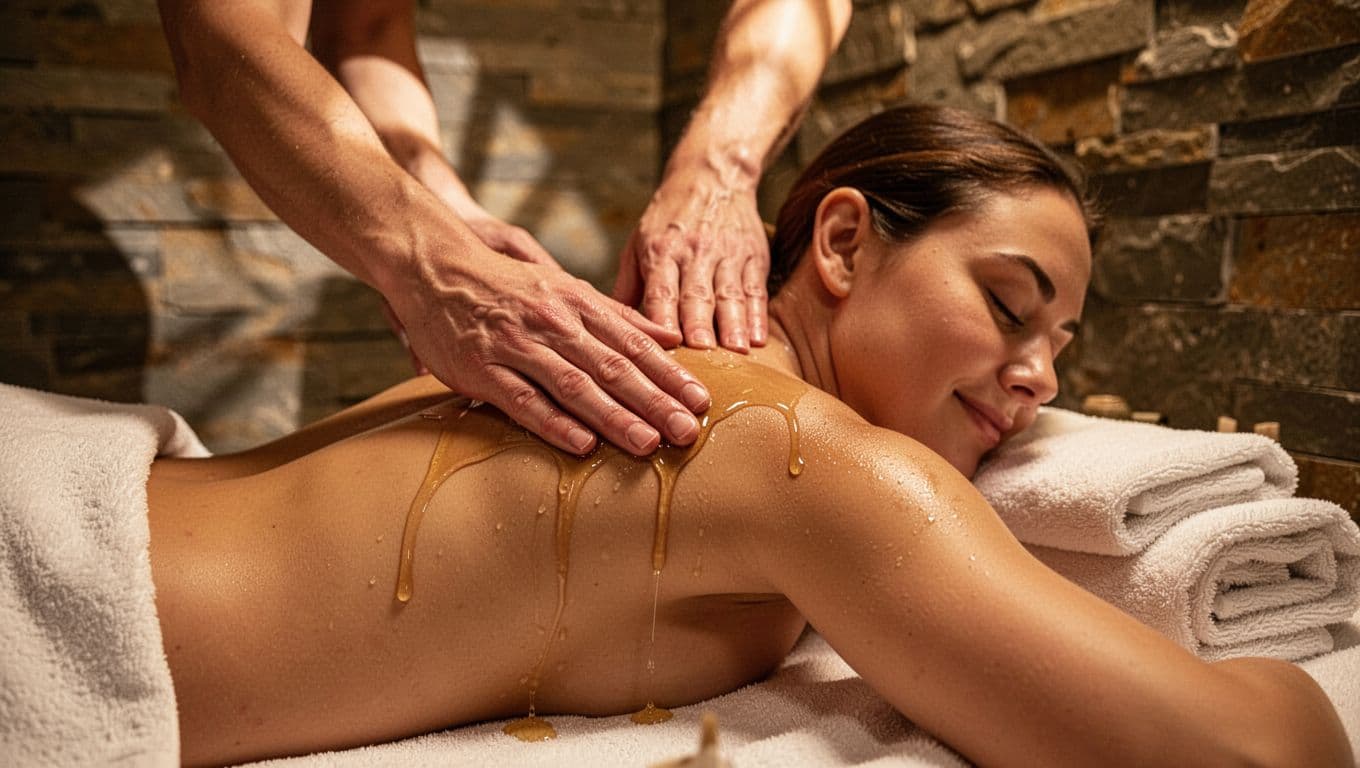
Warm oil makes massage strokes glide more easily, which helps the therapist work into tense areas without harsh friction. That warmth also helps the body relax into the touch, so stiff spots in the neck, shoulders, and back often feel less locked up.
For many people, the first sign of relief is simple: breathing gets easier, and the body stops bracing against every movement. The muscles do not magically change overnight, but they often feel softer, less rigid, and easier to move.
That matters if you sit for long hours, carry stress in your upper body, or wake up feeling tight. A hot oil massage can feel like a slow reset for the parts of you that have been holding on too hard.
It may support better circulation and a calmer mind
The warmth of the oil and the rhythm of the massage can help blood flow more freely near the skin and in the muscles underneath. Better circulation may help tissues feel less tired, while the steady pressure can also reduce the sense of strain that builds up during a busy week.
Just as important, the nervous system often shifts into a more relaxed state during the session. Many people leave feeling mentally lighter, as if the noise in their head has been turned down a few notches.
A good hot oil massage can calm the body first, then the mind follows.
That calmer feeling is one reason massage therapy is often linked with stress relief and better sleep. The Mayo Clinic Health System also notes that massage can help ease stress and support relaxation, which matches what many people feel after a warm oil session.
It can leave skin feeling softer and more nourished
Hot oil massage is also a skin treatment in a simple, practical way. The oil helps trap moisture at the surface, which can make dry or rough skin feel smoother after the session.
That extra softness is more than a nice bonus. When skin feels less tight, the whole body often feels more comfortable too. You notice it when you move, when you sit, and even when you put on clothes afterward.
This is especially helpful for people with dry skin or skin that feels dull after too much air conditioning, sun, or cold weather. A rich oil can leave a light protective layer behind, so the skin does not feel stripped once the massage ends.
A few common post-session benefits include:
- Less dryness on the arms, legs, and back
- A smoother feel that lasts beyond the appointment
- More comfort for skin that tends to feel tight or flaky
Scalp hot oil massage benefits for hair and dryness
A scalp hot oil massage adds another layer of comfort. Warm oil on the scalp can ease dryness, soften frizz, and make the hair feel less rough at the ends and roots.
It can also help with flakes caused by dryness, since a moisturized scalp often feels less tight and itchy. While it is not a cure for dandruff, the soothing touch and added moisture can support a healthier-feeling scalp routine.
The massage itself matters just as much as the oil. Gentle pressure on the scalp feels grounding, almost like the body is settling into a slower rhythm. That alone can make the treatment feel deeply calming, especially when stress shows up in the jaw, temples, or forehead.
For anyone who deals with dry hair or a tight scalp, this part of the session can feel like a small but meaningful relief. It leaves the head lighter, the scalp calmer, and the hair with a softer finish.
What happens during a good session from start to finish
A good Hot Oil Massage feels calm and unhurried from the first minute. You should know what comes next, because that sense of ease matters just as much as the touch itself.
The best sessions follow a steady rhythm. First comes a short conversation, then the room settles around you, and the massage builds with warm oil and smooth pressure before ending in quiet rest. That flow helps your body relax without feeling rushed.
The quiet setup before the massage begins
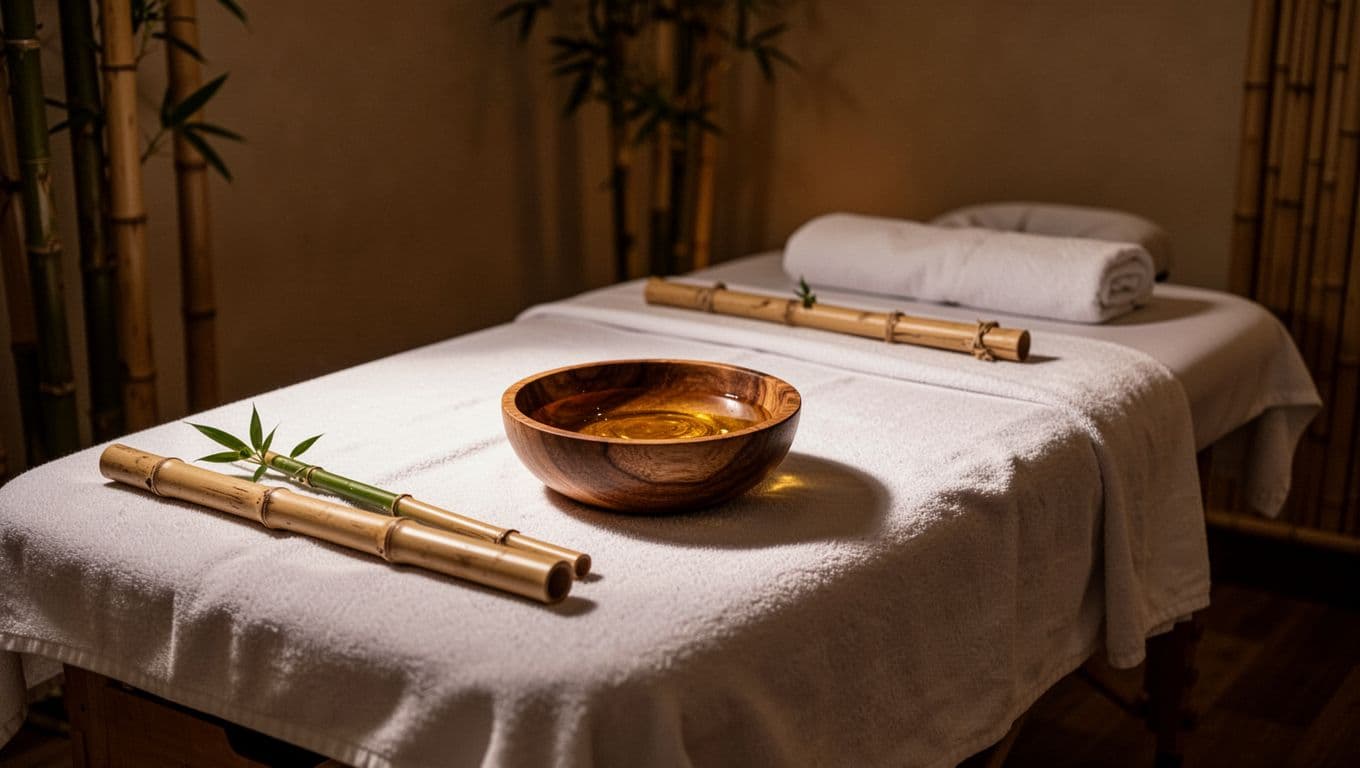
Before the massage starts, the room usually feels warm, dim, and still. Soft lighting, clean linens, and a faint scent from the oil set the tone right away. Nothing feels sharp or noisy, so your body has a chance to slow down before the first touch.
The therapist also takes a few minutes to prepare the oil. It should feel warm, not hot, and it should be tested before it reaches your skin. That small detail matters, because the right temperature makes the experience feel soothing instead of startling.
A quick check-in usually happens before the hands-on work begins. You may be asked about pressure, sore areas, skin sensitivity, allergies, or spots you want avoided. That short conversation helps you feel safe, and it gives the therapist a clear map to follow.
A good session starts with comfort, not pressure.
The setup may also include fresh towels, covered surfaces, and a warmed room. Those details sound simple, but they shape how safe and cared for you feel once the massage begins. For a clear look at how hot oil massage is described in spa settings, this overview of hot oil massage offers a helpful reference.
The massage techniques that are often used
Once the oil is on your skin, the therapist usually starts with long, gentle strokes. These first passes help spread the warmth, ease you into the treatment, and prepare larger muscle groups for more focused work.
After that, the pressure may change based on what your body needs. Some areas get light, flowing strokes, while tighter spots may get kneading or firmer, more focused pressure. The goal is steady relief, not force.
Common techniques often include:
- Long strokes to warm the muscles and spread the oil evenly
- Kneading to soften tight spots in the shoulders, back, or legs
- Circular pressure to work through areas that feel knotted or stiff
- Focused touch on problem areas, adjusted to what feels comfortable
The therapist may move slowly across the body, pausing a little longer where tension shows up. That pace helps the session feel thoughtful instead of mechanical. It also gives your muscles time to respond before the next stroke begins.
Different body areas often get different treatment. The back may receive broader work, while the neck, shoulders, or feet may need lighter pressure. A well-trained therapist keeps checking in through touch and pace, so the session stays comfortable all the way through.
How to feel after the treatment ends
When the massage ends, many people feel loose, sleepy, or pleasantly floaty. The body has been warmed, soothed, and given time to let go, so that after-feeling often lasts longer than expected. Some people leave refreshed, while others feel ready for a nap.
A few minutes of rest after the session helps the body settle. That pause matters because your muscles and nervous system need time to adjust before you jump back into the day. Water helps too, since it supports a comfortable finish and can leave you feeling more balanced.
A calm aftercare routine often looks like this:
- Sit or lie still for a few minutes.
- Sip water slowly.
- Let the oil absorb a bit before showering, if your therapist recommends it.
- Move gently when you stand up.
A little extra oil may stay on the skin, and that can be part of the benefit. Your skin may feel softer, your body may feel warmer, and your mind may feel quieter than it did before the appointment. If you want a deeper sense of how warm oil fits into massage therapy, massage therapy benefits from Mayo Clinic Health System gives a simple overview of relaxation and stress relief.
A good session does not end the moment the therapist stops. It ends when you leave feeling rested, cared for, and ready to carry that calm home with you.
How to choose the right hot oil massage for your needs
The best Hot Oil Massage is the one that fits your body, your skin, and your mood. Some people want rich oil and a slow, soothing pace. Others want lighter texture, less scent, or firmer work on tight muscles.
A good choice starts with what you want to feel afterward. Do you want your shoulders to soften, your skin to feel silky, or your mind to settle before bed? Once you know that, it gets much easier to pick the right style, oil, and pressure.
Pick the right oil for your skin and scent preference
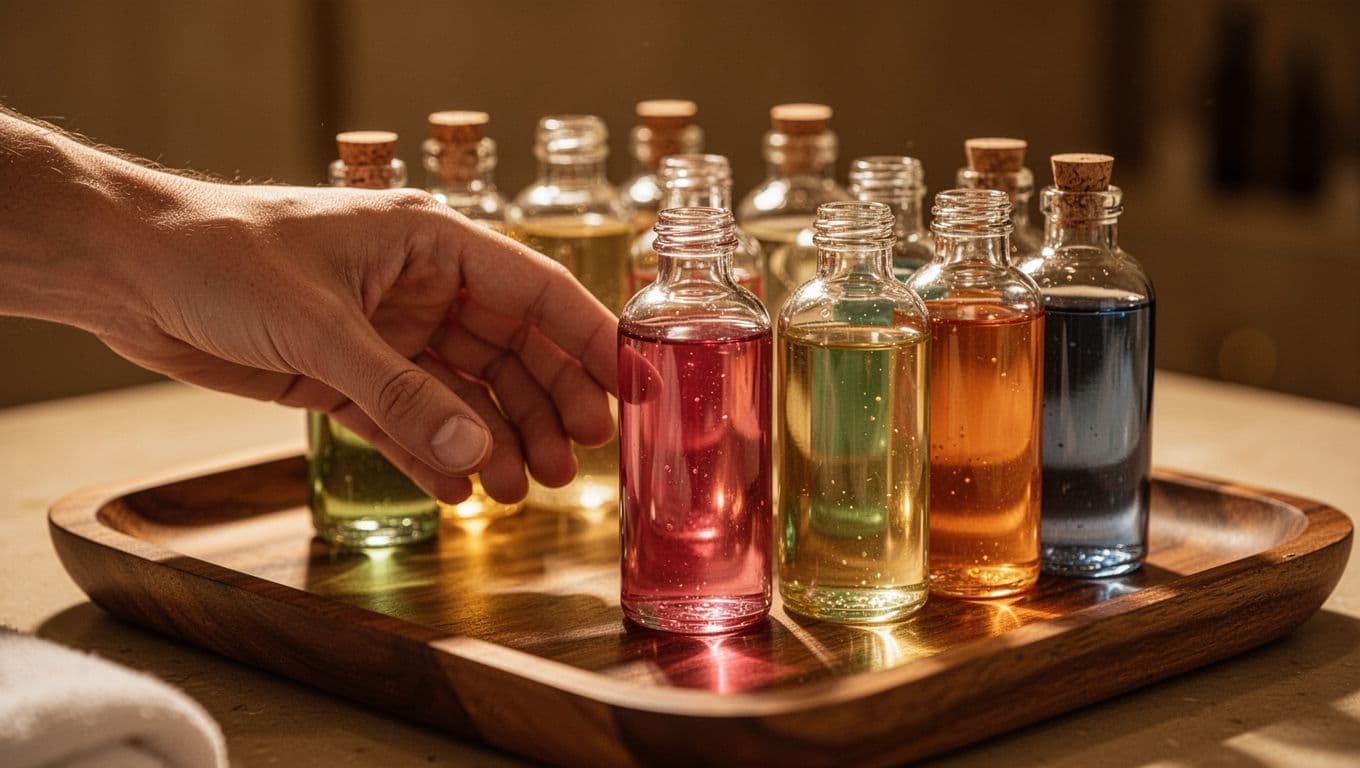
Oil changes the feel of the whole session. Some oils are richer and stay on the skin longer, while others absorb faster and leave a lighter finish. If you like a fuller, more luxurious glide, a heavier oil can feel wonderful. If you want less residue, a lighter oil may suit you better.
Your skin type matters too. Dry skin often likes richer oils such as coconut or almond, while a lighter oil like jojoba or grapeseed may feel better if you prefer a cleaner finish. Scent plays a role as well, since even a soft aroma can shape how relaxed you feel in the room.
A simple way to decide is to think about your comfort after the massage:
- Richer oils feel more cocooning and moisturizing.
- Faster-absorbing oils feel lighter and less greasy.
- Lightly scented oils work well if you want a calm, simple spa feel.
- More aromatic blends suit people who enjoy a fuller sensory experience.
If your skin is sensitive, ask about the oil before the session starts. A brief patch test is smart if you know certain ingredients bother you. For a broader look at massage oil types, Healthline’s massage oil guide breaks down common options in a simple way.
Choose lighter pressure or deeper work based on your body
Pressure should match your goal, not your pride. For relaxation, lighter pressure usually works best because it lets your body soften without bracing against pain. For sore muscles or post-workout tightness, medium pressure can help more, as long as it still feels comfortable.
The right massage should feel like relief, not a test of endurance. If you tense up, hold your breath, or flinch, the pressure is too strong. A skilled therapist can adjust the touch so you still get results without pushing past your limit.
A good rule is to match pressure to what your body needs that day:
- For stress relief, choose light to medium pressure.
- For muscle recovery, ask for focused but still comfortable work.
- For pure relaxation, keep the pressure gentle and slow.
- For sensitive areas, ask for lighter touch right away.
The best pressure feels soothing first, then effective.
You can also think about your usual pain points. If your neck and shoulders hold tension, a little deeper work there may help. If you just want to unwind, a slower, lighter session often feels better. When in doubt, start light and ask for more only if it still feels good.
Think about timing, mood, and your wellness goals
The right hot oil massage also depends on when you’re getting it. After a stressful week, a warm oil session can help you reset and breathe more easily. Before sleep, it can slow your pace and make bedtime feel less rushed. After physical activity, it may help tired muscles relax and recover.
Mood matters just as much as timing. If you feel overstimulated, a quiet room, soft scent, and gentle pressure can help you settle. If your body feels heavy and sore, you may want a session that focuses more on those tight spots instead of full-body softness.
It helps to ask yourself what you want most from the appointment:
- Calm and rest after mental strain
- Looser muscles after workouts or long hours at a desk
- Skin comfort during dry weather or seasonal changes
- A spa-like reset when you need a full pause
That kind of clarity makes the choice simpler. You are not just booking a massage, you are choosing the kind of recovery you need that day. A better match usually means a better result, and that is what makes the experience feel personal instead of generic.
Hot Oil Massage in Kilimani, what local spa guests often look for
In Kilimani, people usually want a spa visit that feels calm the moment they walk in. Traffic, noise, and long workdays can make even a short appointment feel like a much-needed pause, so the best spa experiences focus on comfort, cleanliness, and a steady pace.
A good Hot Oil Massage in this part of Nairobi often goes beyond the treatment itself. Guests also look for easy booking, skilled hands, and a setting that helps them switch off without effort.
What makes a Kilimani spa experience feel worth it
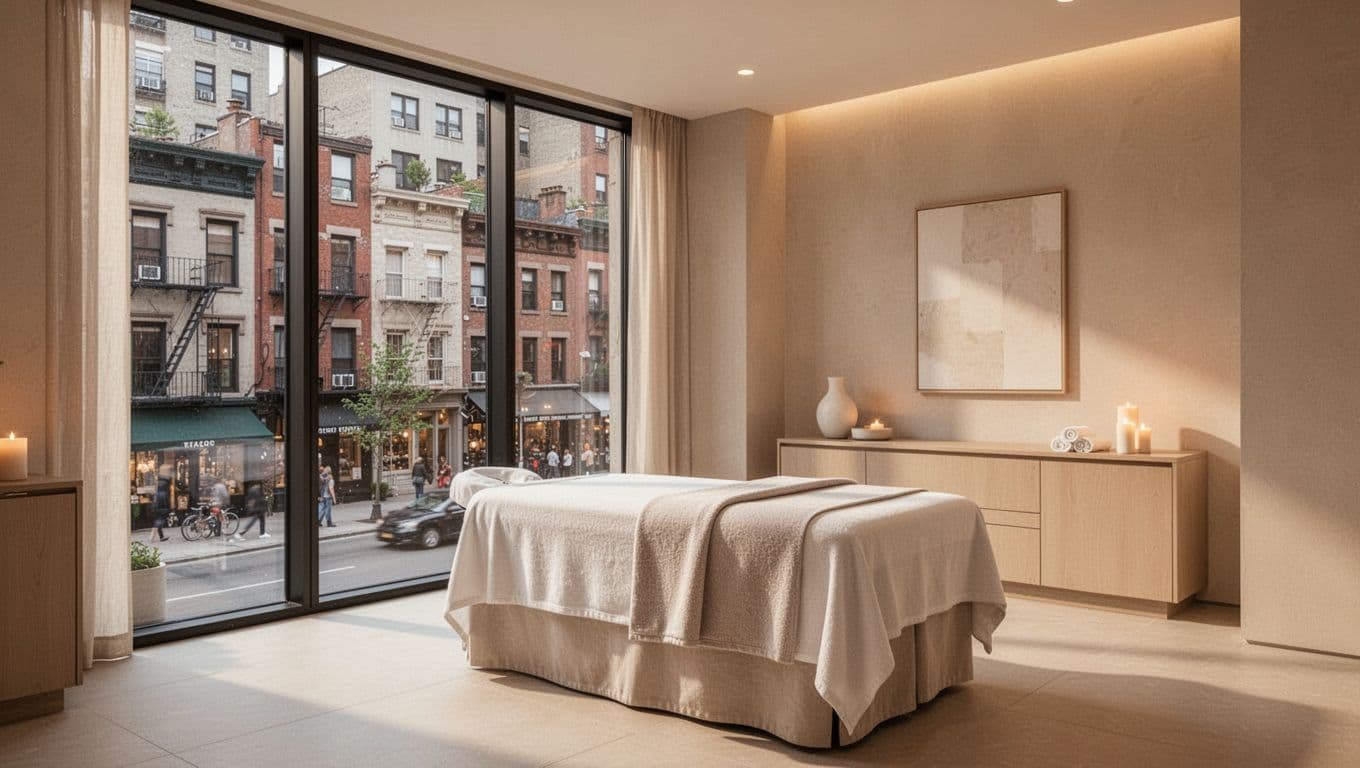
A Kilimani spa feels worth it when the space is clean, quiet, and easy to settle into. Guests notice the small things fast, such as fresh linens, tidy floors, well-kept treatment rooms, and a front desk that feels organized rather than rushed.
Atmosphere matters just as much. Soft lighting, low noise, and a calm scent can help the body relax before the massage even begins. In a busy neighborhood, that sense of stillness feels like a rare pocket of air.
Service quality also shapes the visit. People want therapists who listen, adjust pressure when needed, and explain the session without making it feel clinical. A warm greeting and a smooth start can change the tone of the whole appointment.
Kilimani guests often appreciate places that make it easy to unwind without extra fuss. That may include a peaceful waiting area, quick check-in, and a menu that includes massage, body care, facials, and other relaxation services. The more relaxed the process feels, the easier it is to enjoy the treatment itself.
Questions to ask before booking a session
A few simple questions can save you from booking the wrong treatment. Before you confirm a Hot Oil Massage, ask about the oil, the pressure, the session length, and the therapist’s experience.
You can also ask whether the spa offers extras that support relaxation, such as scalp work, aromatherapy, or a longer recovery period after the session. For a first visit, those details matter more than flashy promises.
A quick checklist helps:
- What oil do you use? This matters if you have sensitive skin or a scent preference.
- How firm is the pressure? Some guests want gentle relaxation, while others want firmer work on tight muscles.
- How long is the session? A longer treatment often gives you more time to settle in.
- How experienced is the therapist? Ask whether they work regularly with hot oil treatments.
- What calming add-ons are available? Scalp massage, foot focus, or soothing aromas can make the session feel more complete.
If you want a broader sense of what to ask before a spa visit, these common spa questions are a useful reference. The point is simple, a good spa should welcome questions and answer them clearly.
A therapist who answers plainly is usually a better sign than a menu full of vague claims.
When a local spa visit is the best choice
Sometimes the best option is the spa nearest you. When your week is full and your energy is low, a nearby Kilimani spa makes it easier to book, show up, and return to the rest of your day without a long drive.
Convenience matters because it lowers the barrier to care. If the spa is close, you are more likely to keep the appointment, arrive on time, and make relaxation part of your routine instead of treating it like a rare event.
Consistency matters too. A local spa gives you a better chance to return to the same therapist, the same oil preferences, and the same style of pressure that worked before. That kind of familiarity helps your body relax faster on later visits.
A nearby spa also works well for a quick reset during a busy week. Maybe you need to loosen your shoulders after long hours at a desk. Maybe you just want to step away from the city noise for an hour and come back feeling more collected.
That is where a hot oil treatment fits well. It gives you warmth, comfort, and a quiet pause without turning the day upside down. In a neighborhood like Kilimani, that kind of practical calm is often exactly what people are looking for.
Simple safety tips before you book
A hot oil massage should feel calming before it even starts. A few simple checks help you avoid skin irritation, discomfort, or a session that feels wrong for your body. The goal is not to make booking feel complicated, only thoughtful.
A good spa will welcome questions and give clear answers. If something about your skin, health, or comfort needs special care, speak up early. That makes the session smoother for you and easier for the therapist to tailor.
Check for skin sensitivities or allergies
If your skin reacts easily, ask about the ingredients before you book. Oils, scents, herbs, and added blends can all affect how your skin feels during and after the massage.
It helps to keep it simple. Ask which oil they use, whether the blend has fragrance, and if they offer a plain option. If you already know certain ingredients bother you, mention them by name.
A patch test is smart if your skin is sensitive. Apply a small amount of the oil to a small area first, then wait to see how your skin responds. That small step can save you from redness, itching, or a rash later.
If your skin is reactive, a mild oil and a brief patch test can make the difference between comfort and irritation.
Tell the therapist about pain, pregnancy, or health concerns
Open communication keeps the session comfortable and appropriate. If you have back pain, joint pain, recent injuries, pregnancy, or any health concern, say so before the massage begins.
That conversation helps the therapist adjust pressure, avoid certain areas, and choose a style that fits your body that day. You do not need to explain everything in detail, just enough to guide the treatment safely.
If you are pregnant, it is wise to ask a professional before booking, especially if you have any risk factors. For example, prenatal massage guidance from The Bump notes that pregnancy calls for extra care, lighter pressure, and the right setup. A skilled therapist can still make the experience soothing, but only when they know what to work around.
Keep these details in mind before your appointment:
- Pain points so the therapist can avoid making them worse
- Pregnancy so the session can stay gentle and safe
- Recent surgery or injury so healing areas are protected
- Medications or conditions that may affect how you respond to heat or pressure
A short, honest conversation is better than staying quiet and hoping for the best. The right therapist will appreciate the clarity.
Know when to skip heat or choose a lighter option
Not every body wants strong heat. Some people simply feel better with a warmer room, lighter oil, or a gentler massage style. If heat usually makes you dizzy, flushed, or uncomfortable, ask for a milder option.
You should also pause and ask a professional before booking if you have certain conditions, especially pregnancy-related risks, circulation concerns, or skin issues that flare up with warmth. Hot oil massage should feel soothing, not overwhelming.
A lighter session can still be very effective. Sometimes the best choice is less heat, softer pressure, and a calmer pace. That way, your body gets the relaxation without extra strain.
A simple pre-booking check helps a lot:
- Ask whether the oil is warmed or hot.
- Confirm what ingredients are in the blend.
- Share any pain, pregnancy, or health concerns.
- Request lighter pressure if you prefer a gentler session.
- Book only if the therapist can adjust the treatment to fit you.
A hot oil massage works best when your body feels safe enough to relax. When the details are right, the treatment feels like a warm pause, not a risk to manage.
Conclusion
A hot oil massage brings together the parts people keep coming back for, warmth, muscle comfort, and skin that feels soft instead of dry. The slow pace and smooth oil create a calming ritual that helps the body settle and the mind ease off the day.
That simple mix of heat, touch, and care is what makes the experience linger. If you want a gentle, comforting way to support both body and mind, a hot oil massage is a choice that feels as good as it sounds.