
Massage and Rates in Kilimani: What Affects the Price?
Kilimani is one of Nairobi’s busiest upscale neighborhoods, and that makes calm, clear value matter even more when you book a massage. Massage and rates here often change based on the treatment you choose, the session length, and the kind of spa experience you want.
A short relaxing massage won’t cost the same as a longer deep tissue or specialty treatment, and the setting can shape the price too. If you’re comparing options, it helps to know what you’re paying for before you pick a chair, a room, or a package.
This guide breaks down the main price factors so you can compare choices with less guesswork and choose a massage that feels worth it.
What affects massage rates in Kilimani
Massage and rates in Kilimani shift for practical reasons, not random ones. The price usually reflects the treatment style, the time you book, the spa setting, and the level of care behind the service. When you compare options side by side, the differences start to make sense.
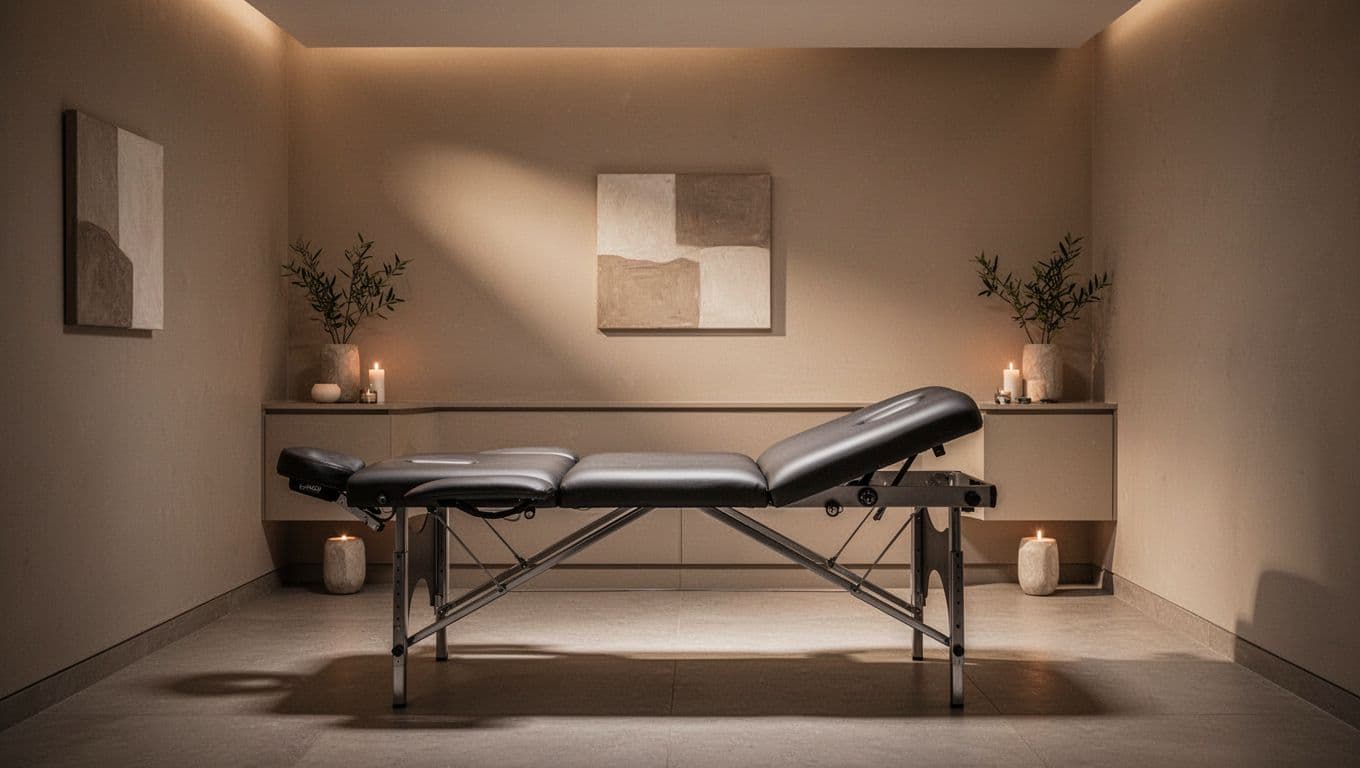
A lower price can be right for a quick reset, while a higher price may cover more space, more time, or a more refined experience. In Kilimani, that gap often comes down to what the spa has to give, and what your body needs in return.
Massage style and treatment type
Different massage styles do not take the same kind of work, so they do not cost the same. A Swedish massage is usually simpler and lighter, while deep tissue work needs more focus, stronger pressure control, and more effort from the therapist.
Special treatments can raise the rate even more. Hot stone massage uses heated tools, aromatherapy relies on quality oils, and sports massage often calls for targeted technique and better knowledge of muscle strain. Relaxing massage may sit at a lower or middle price point, but the cost still changes based on how long it runs and what the spa includes.
That is why one menu can show several price levels for what sounds like a similar service. The details matter, and the details are what you pay for.
Session length and package size
Time changes the bill in a very direct way. A 10-minute session is a quick add-on or a short relief stop, while a one-hour massage gives the therapist room to work through tension with care. Longer body treatments usually sit at a higher price because they use more time and more staff attention.
Package size also shapes value. A longer booking may cost more upfront, but it can work out better per minute than a very short session. If you want full-body relief, that added time often feels worth it.
A simple way to compare options is to look at what the clock buys you:
| Session type | Typical value |
|---|---|
| 10-minute session | Quick relief, low commitment |
| One-hour massage | Balanced time and cost |
| Extended body treatment | More full-body care, higher total price |
Short visits suit busy days, but longer sessions usually give you more room to relax and recover.
Spa setting, comfort, and extras
The room around the massage changes the price too. A quiet space, clean linens, and good oils all add to the cost, because they improve the whole experience. In a place like Kilimani, many clients expect comfort to match the neighborhood, and spas price their services accordingly.
Extras can push the total higher fast. Steam bath, sauna, body scrub, and facial add-ons all take more supplies, more energy, and often more time. A spa that bundles those features into one visit may charge more, but the visit also feels fuller and more complete.
A higher rate often means you are paying for the setting as much as the hands-on treatment.
That matters if you want more than a basic massage. Sometimes the better price is not about luxury for show, but about a smoother, calmer visit from start to finish.
Therapist skill and service quality
A trained therapist can change the whole experience. Good pressure control, careful attention to sore areas, and steady communication all take skill. When a therapist knows how to read your body and adjust on the spot, the service often costs more, and it should.
Trust also plays a part. People pay more when they feel safe, heard, and well cared for. That personal attention is hard to fake, and it often separates an average session from one you remember.
Quality service is not just about technique. It is also about timing, cleanliness, privacy, and how well the therapist responds when your muscles tighten or your comfort changes. Those details add real value, and they are a big reason massage rates in Kilimani are not all the same.
Common massage services and what they usually mean for your budget
Massage menus in Kilimani often look similar at first glance, but the price changes once you look at the service type. A gentle relaxation session, a pressure-heavy pain relief treatment, and a full spa package all ask different things from the therapist, the room, and the supplies.
That is why Massage and Rates make more sense when you match the service to the experience you want. A simple treatment may fit a tighter budget, while a richer spa visit usually costs more because it includes extra time, heat, oils, or body care steps.
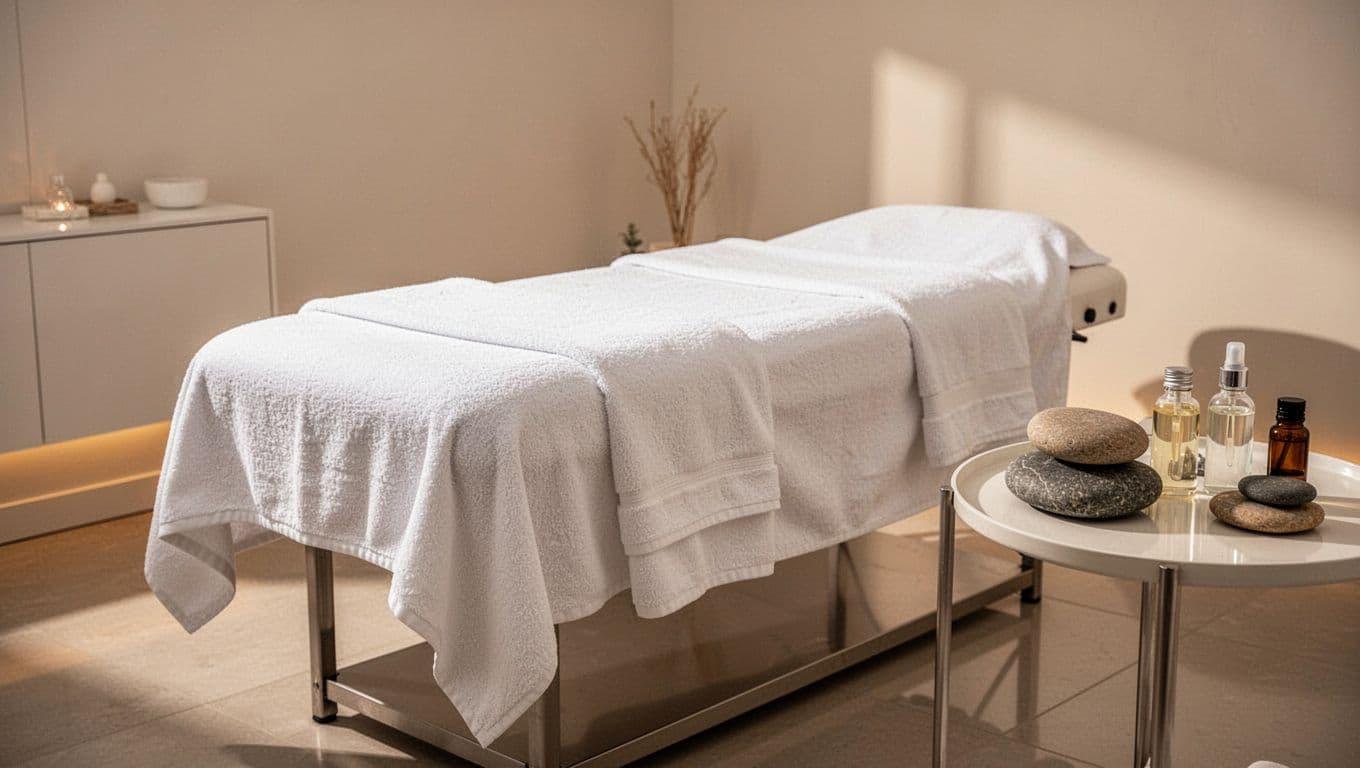
Relaxing massage for stress relief
A relaxing massage is one of the easiest ways to unwind after a long week. It usually uses smooth, lighter strokes that calm the body, ease surface tension, and help you settle into better rest.
Because it is gentle and familiar, this is often one of the more approachable choices for first-time visitors. The setup is usually straightforward too, so the rate often sits in the lower to mid-range compared with more specialized treatments.
This kind of session works well if you want to sleep better, lower stress, or simply switch off for an hour. It is not built for heavy muscle work, but it does a good job of helping your body slow down.
Deep tissue massage for tight muscles
Deep tissue massage goes after knots, sore spots, and stubborn tension. The pressure is firmer, and the therapist works more deliberately through deeper layers of muscle.
That extra focus often pushes the price higher. In Nairobi, deeper treatments usually cost more than standard relaxation sessions because they require stronger technique and more hands-on effort. A similar pattern appears in local spa pricing discussions, where deep tissue is often listed above lighter styles like Swedish massage, while hot stone and specialty work can rise further in cost, as seen in Nairobi spa service comparisons.
This option makes sense if your back, shoulders, or legs feel tight from long hours at a desk or a lot of physical movement. Still, it can feel intense, so the value is not just in comfort, but in targeted relief.
Hot stone and herbal massage options
Hot stone and herbal massage options usually feel more special because they add another layer to the treatment. Heat helps muscles loosen, while herbal oils or packs can make the session feel richer and more calming.
That extra setup affects the rate. Stones must be warmed, oils must be prepared, and the therapist often spends more time arranging the room and managing the treatment flow. As a result, these services usually sit above a basic massage in price.
For many clients, the higher rate feels fair because the whole experience changes. The room feels warmer, the pressure feels softer, and the treatment often has a spa-like finish that lingers after you leave.
Full body treatment packages
Full body packages often combine massage with body scrub, steam, facial touches, or other spa extras. These bundles can look expensive at first, but they often give more value than paying for each service one by one.
A package may include more products, more time, and more staff attention. That means the final bill rises, yet the visit can still make sense if you want a full reset rather than a single treatment.
Many people choose these packages for special days, birthdays, or recovery weekends. The experience feels fuller, and the price often reflects that added care.
Here is the simple way to read the budget:
- Basic massage: usually the most affordable starting point.
- Specialty massage: costs more because the technique is more focused.
- Heated or herbal treatment: sits higher because of materials and setup.
- Full spa package: costs the most, but may offer the best overall value.
A good rule is to pay for the kind of relief you want, not just the name on the menu. If you want calm and simplicity, a lighter massage often fits best. If you want deeper care or a spa day feel, the higher rate can make sense quickly.
How to read a spa price list without getting confused
A spa price list can look simple at first, then start to blur once you notice the small print. The best way to read it is to slow down and compare what each price actually gives you, not just the number at the end.
In Kilimani, that matters even more because two massages with similar labels can offer very different experiences. One may include oils, towels, and steam access, while another only covers the room and the therapist’s time.

A clear reading habit saves money and avoids awkward surprises at checkout. If you know what to check before booking, the whole list becomes much easier to trust.
Check what is included in the price
Start with the basics. A good spa price should tell you whether the session includes massage oil, towels, consultation time, steam access, or any special add-ons.
That detail matters because a lower price can look attractive but leave out parts you expected. A massage that seems cheap may cost more in the end if you need to pay for oil, room use, or extra treatment features one by one.
Look at the service like a meal order. The listed price may cover the main dish, but not the sides, drinks, or dessert.
Before you book, confirm whether the package includes:
- Oil or lotion use
- Consultation time before the session
- Fresh towels or robes
- Steam room or sauna access
- Hot stones, scrubs, or other extras
If those items matter to you, they should be part of the value you compare. A slightly higher rate is often the better deal when it already includes the pieces that make the visit comfortable.
Look for hidden fees or add-ons
Some prices look complete until you ask the next question. Extra charges often appear for upgraded oils, longer sessions, special rooms, or add-on treatments like body scrubs and aromatherapy.
A 60-minute massage may be one price, but a 90-minute version can jump higher than expected. The same goes for deep tissue work, hot stone therapy, or specialty oils, which often cost more than a standard session.
The safest move is to ask what changes the final bill before you confirm. In many spas, the base rate covers the core massage time, while everything else sits outside the menu price. You can also check common spa service pricing patterns to see how spas separate base services from extras.
If the menu is vague, ask for the full total before you book.
That one question can save you from a surprise at the front desk. It also helps you compare massage and rates across spas on the same terms.
Compare value, not just the cheapest number
The lowest number on the page is not always the best choice. Clean rooms, quiet space, therapist skill, and service quality all shape how you feel when you leave.
A well-kept spa can make a mid-range price feel like money well spent. Soft linens, good hygiene, and a therapist who listens can turn a basic hour into real recovery. On the other hand, a cheap massage in a noisy or rushed setting may leave you more tense than when you arrived.
Use the price list as one clue, not the whole story. Ask yourself what kind of experience you want:
- Do you want quick relief or a full reset?
- Do you care more about low cost or comfort?
- Would you pay more for privacy, calm, and cleaner finishes?
When you compare this way, the value becomes easier to spot. The right massage is the one that matches your body, your budget, and the way you want to feel afterward.
Use reviews and testimonials as a guide
Customer feedback can fill in the blanks that a price list leaves out. Reviews often show whether the massage and rates match the actual experience, especially when people talk about care, timing, and how calm the spa felt.
Good reviews usually point to steady service, fair pricing, and therapists who know how to work without rushing. If several guests mention the same strengths, such as clean rooms, polite staff, or strong pressure control, that pattern matters.
You can also spot red flags fast. Repeated complaints about surprise charges, poor communication, or a rushed session suggest the listed price may not tell the full story. For a simple rule of thumb, look for feedback that sounds consistent across different visitors, not just one glowing comment. General massage pricing guides, such as typical spa cost breakdowns, can also help you judge whether a rate feels fair.
Use reviews to answer one main question: does this spa deliver what it promises for the money? If the answer is yes, the price list becomes much easier to trust.
Finding the right balance between cost and comfort
The best massage choice is the one that fits both your body and your budget. A lower rate can make perfect sense for a quick reset, while a higher rate can feel fair when you need more time, more pressure, or a calmer spa experience.
In Kilimani, Massage and Rates are easier to judge when you start with your reason for booking. Are you trying to loosen tight shoulders, recover from a long week, or enjoy a treat that feels more complete? Once you know that, the right price range becomes much clearer.

When a lower-priced massage makes sense
A lower-priced massage is a smart choice when you want simple relief, not a full spa day. If your goal is to ease stress after work, clear your head, or keep up a regular self-care habit, a basic session can do the job well.
It also makes sense when you are trying a new spa for the first time. You get a feel for the therapist, the room, and the service style without spending more than you need to. That smaller step can help you decide whether to return for a longer visit later.
Shorter, simpler sessions work well when your body only needs a quick tune-up. A light back massage or a focused neck and shoulder session can be enough if the tension is mild. In those cases, paying for extras may not add much value.
A lower-priced option is often the right fit when:
- You want quick stress relief after a busy day.
- You plan to book regular self-care visits.
- You are testing a spa for the first time.
- Your muscles feel tired, but not sore enough for deeper work.
For this kind of visit, keep your expectations clear. You are paying for a solid reset, not a long luxury experience.
When it is worth paying more
A higher price makes sense when your body needs more than surface relief. Deep muscle tension, stiffness from long sitting, or pain that keeps coming back often needs a stronger, more focused treatment.
Longer sessions can also be worth the extra cost. A 90-minute massage gives the therapist more room to work slowly and cover the spots that matter most. That extra time often turns a good massage into one that actually changes how your body feels.
Special occasions are another reason to spend more. If you want a wellness day, a birthday treat, or a full unwind after a hard stretch, the added comfort can be worth every shilling. As massage price guides often show, service type, session length, and setting all play a role in what you pay.
Pay more when the added time, pressure, or setting changes the result. That is where value lives.
A higher rate can also make sense when you want a cleaner, quieter, more private space. Comfort is part of the service, and sometimes that matters more than the lowest number on the menu.
Questions to ask before you book
A few simple questions can save you from paying for the wrong session. They also help you compare massage and rates with confidence instead of guessing.
Before you reserve, ask:
- How long is the session, and does that include consultation time?
- What pressure level does the therapist use, and can it be adjusted?
- Are oils, towels, steam access, or other extras included?
- How much experience does the therapist have with this type of massage?
- Are there any current offers, weekday discounts, or package deals?
These questions keep the booking process honest and clear. They also help you match the price to the kind of care you actually want.
A simple rule helps here, too. If you want calm and convenience, book the massage that gives you that without extras you will never use. If you need deeper relief, choose the service that gives you enough time and skill to get it done properly.
Conclusion
Massage and rates in Kilimani make more sense once you look past the number on the menu. The real value sits in the type of massage, the time you book, the extras included, and the calm of the space itself.
When you compare those details with a clear head, choosing becomes easier. A good session is one that matches your needs, your budget, and the level of comfort you expect.
That is the simplest way to book with confidence, knowing what you are paying for and what kind of relief you will leave with.