Peaceful & Serene Massage Spaces: What Clients Feel Instantly
Soft light, clean linens, a quiet room, and air that feels still enough to hear your own breath, that’s what a peaceful and serene massage space should give you the moment you walk in. Before the first touch, the room already starts working on your stress, helping your shoulders drop and your mind slow down.
That setting matters just as much as the massage itself. When the space feels calm and safe, your body settles faster, your muscles soften more easily, and you can stay present instead of scanning the room or holding tension without meaning to. A rushed, noisy, or cluttered space can pull your attention away, but a serene one invites you to relax without effort.
A well-designed massage room does more than look pleasant. It shapes how you feel, how well you receive the treatment, and how restorative the whole experience becomes. Soft lighting, gentle silence, fresh scents, and a sense of care all work together to create the kind of comfort that lets stress release sooner and healing feel natural.
That’s why the best massage experience begins long before the session starts, with an environment that feels welcoming, restful, and clean. The next step is understanding which details matter most, and how they turn a simple appointment into something far more soothing.
What makes a massage space feel peaceful and serene
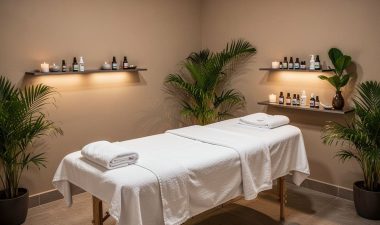
A peaceful massage room starts before the music plays or the oil warms. The first impression comes from what the eyes notice, what the body senses, and what the mind stops worrying about. Clean structure, soft light, and a calm visual field tell clients they can let go.
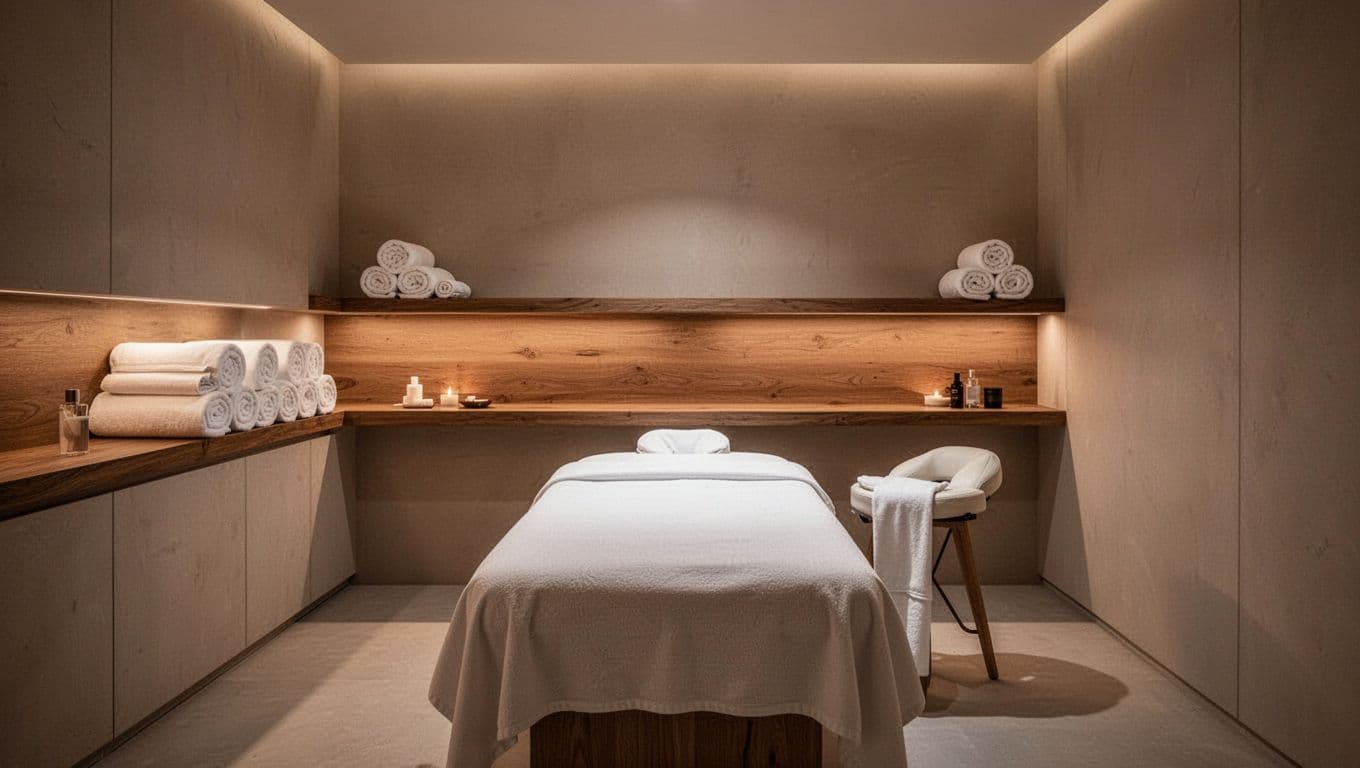
When a room feels steady and cared for, people relax faster. The space does part of the work for you, lowering tension before the session even begins.
Why clean lines and clutter-free surfaces matter
A tidy massage room feels safe. That feeling matters because clients relax more easily when they don’t have to scan the space for distractions, mess, or uncertainty. Fresh linens, folded with care, send a clear message that the room is ready for them.
Clutter pulls the mind in many directions at once. In contrast, organized shelves, hidden supplies, and open surfaces help the room feel lighter and easier to breathe in. Even small details, like storing bottles out of sight and keeping tools neatly arranged, change the whole mood.
Clients often notice this within seconds. A clean room feels like a deep exhale, and that sense of order can make the body soften without effort.
How lighting changes the whole mood of the room
Lighting shapes how the nervous system responds to a room. Warm, dim light helps the body slow down, while harsh brightness can make people feel exposed and alert. Soft light tells the eyes they can rest.
Natural light works best when it’s controlled. A gentle curtain or shade can soften daylight without making the room feel closed in. When appropriate, candles can add a calm glow, but they should stay subtle and safe, never overpowering.
Brightness matters more than many people realize. Too much light can break the quiet rhythm of a massage, while a muted glow supports that floating, tucked-away feeling clients want.
Soft lighting does more than decorate a room. It gives the body permission to settle.
The role of color, texture, and decor in creating calm
Color sets the emotional tone before anyone speaks. Soft neutrals, muted greens, warm beige, and gentle stone tones often feel more restful than sharp, busy colors. They give the eye a place to land without demanding attention.
Texture adds comfort in a physical way. Smooth tables, soft towels, and natural materials like wood or linen make the space feel kind and grounded. The room should feel pleasant to touch, not just pleasant to look at.
Decor works best when it stays simple. A single piece of nature-inspired artwork, a small plant, or a bowl of stones can create a serene feel without crowding the room. These choices help the space feel human, calm, and easy to settle into.
A well-designed massage room doesn’t need many objects. It needs the right ones, placed with care. When color, texture, and decor work together, the room feels gentle instead of busy, and that calm settles in right away.
How sound, scent, and temperature shape the client experience
Clients feel a room before they can explain it. The tone of the music, the hint of scent in the air, and the warmth of the space all send a message at once. When those details work together, the room feels calm, safe, and easy to settle into.
Small shifts matter here. A sound that feels soothing in one moment can become irritating in the next. A scent that feels clean and gentle can turn heavy if it lingers too long. Even a slightly cool room can make a client hold tension without realizing it.
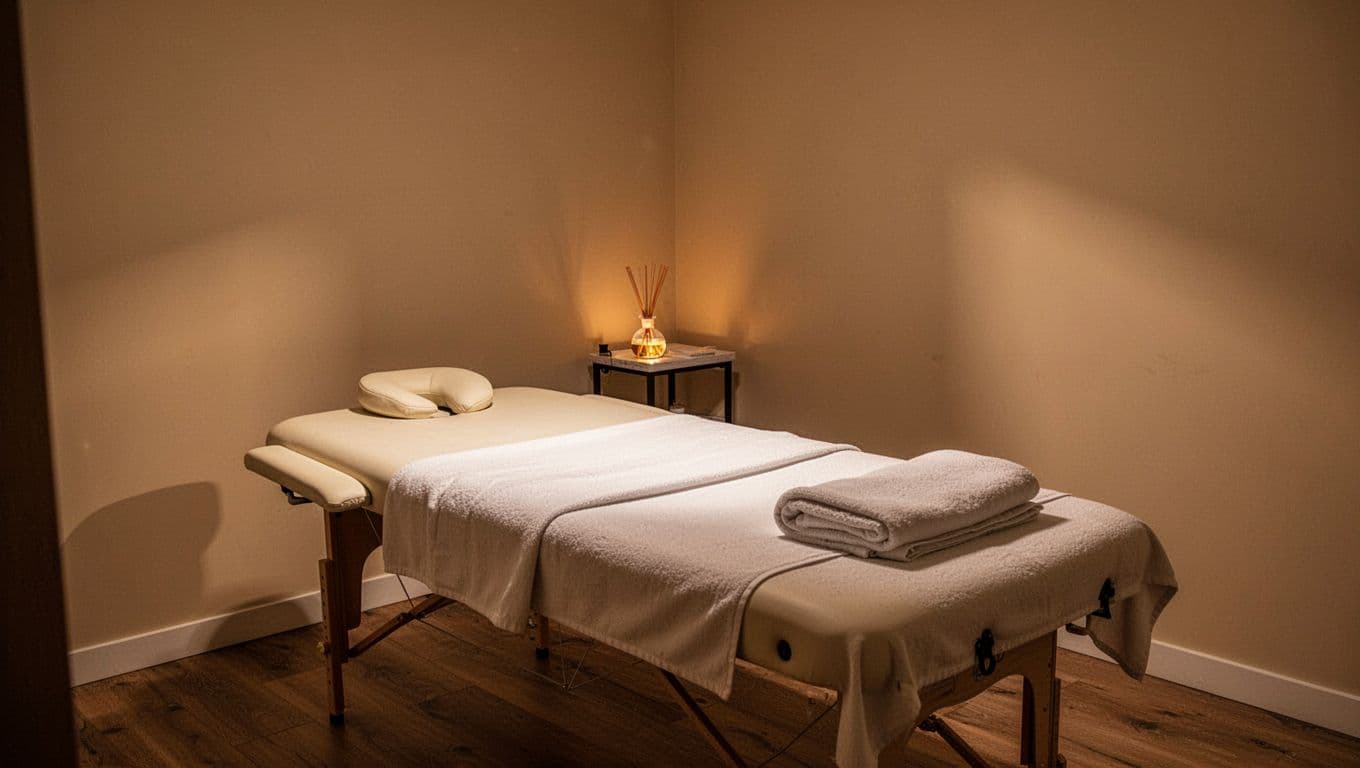
Choosing music that feels gentle, not distracting
Music should feel like a soft frame around the session, not the focus of it. Gentle instrumentals, low-volume ambient tracks, and nature sounds can help the mind slow down without pulling attention away from the body. The best background music often fades into the experience, like a calm current under the surface.
Sharp changes in volume or tempo can break that feeling fast. So can songs with strong lyrics, which tend to pull clients back into thought and memory. A steady rhythm works better because it supports the pace of breathing and helps the room feel settled.
The goal is not silence at all costs. It’s a soundscape that keeps the room calm while still feeling warm and human. When the music stays soft and even, the massage feels smoother and more restorative.
A good rule is simple:
- Keep the volume low enough that conversation stays easy.
- Choose instrumentals over lyric-heavy tracks.
- Avoid sudden shifts, dramatic builds, or harsh tones.
- Match the mood of the room, not the mood of a playlist trend.
Sound can either deepen relaxation or break it. That makes every choice count.
Using scent in a light and thoughtful way
Scent can change how a room feels within seconds. Lavender, eucalyptus, and vanilla are common choices because they often read as clean, soft, and calming. Used well, they can make the space feel cared for before the massage even begins.
Balance matters just as much as the scent itself. A light aroma can support relaxation, while an overpowering one can distract the client or even cause discomfort. Some people are sensitive to fragrance, so the room should never assume one scent fits everyone.
Aromatherapy works best when it stays subtle. The scent should drift, not announce itself. If a client notices it only after settling in, that is usually a good sign.
The best scent in a massage room is the one that feels present, but never heavy.
Personal comfort should guide the choice. Some clients love herbal notes, while others feel more relaxed with something simple and neutral. A thoughtful space gives them room to breathe without feeling boxed in by fragrance.
Keeping the room comfortably warm and fresh
Temperature affects the body almost instantly. If the room feels too cold, muscles tighten and the client may tense up before the treatment even begins. If it’s too warm, the body can feel sluggish or sticky, which breaks that clean, rested feeling.
A comfortable room stays warm enough to welcome the body, but fresh enough to feel breathable. Good airflow helps here. Fresh air keeps the space from feeling stale, especially during longer sessions or back-to-back appointments. It also helps the room feel clean without becoming chilly.
Blankets, covers, and warm towels add another layer of comfort. They should feel cozy, not heavy. That balance matters because clients relax better when they don’t have to think about adjusting themselves again and again.
Physical comfort settles the mind. When the body stops reacting to the room, the nervous system has less to manage. Then the client can stop bracing and start receiving the massage with ease.
A few simple details help keep that balance steady:
- Set the temperature before the client enters.
- Check for drafts near doors, vents, or windows.
- Use blankets that warm without trapping too much heat.
- Keep fresh air moving without creating a chill.
When sound stays gentle, scent stays light, and the room feels comfortably warm, the whole experience changes. Clients don’t need to work at relaxing, because the room already supports them.
Building trust through privacy, care, and therapist presence
A Peaceful & Serene massage space feels safe before the first touch. That feeling comes from more than decor or lighting. It grows when privacy is protected, care feels personal, and the therapist carries calm into every part of the session.
Clients notice these things fast. A closed door, a steady voice, and a relaxed pace all send the same message: you are in good hands. When that message is clear, the body can let go without second-guessing the room.
Why privacy helps clients relax faster
Privacy removes the small tensions that keep people on guard. A closed treatment room door, a quiet hallway, and controlled foot traffic all help clients settle in without wondering who might walk by or overhear them. That sense of protection creates emotional ease, which often becomes physical ease a moment later.
Respectful draping matters for the same reason. It shows that the client’s comfort and dignity are being handled with care. When the body feels covered and protected, it becomes easier to stop bracing and start relaxing.
Noise also shapes trust. A phone ringing nearby, a loud conversation at the front desk, or random movement outside the room can pull attention away from the massage. A calm space keeps those interruptions low, so the client can stay inside the experience instead of outside it.
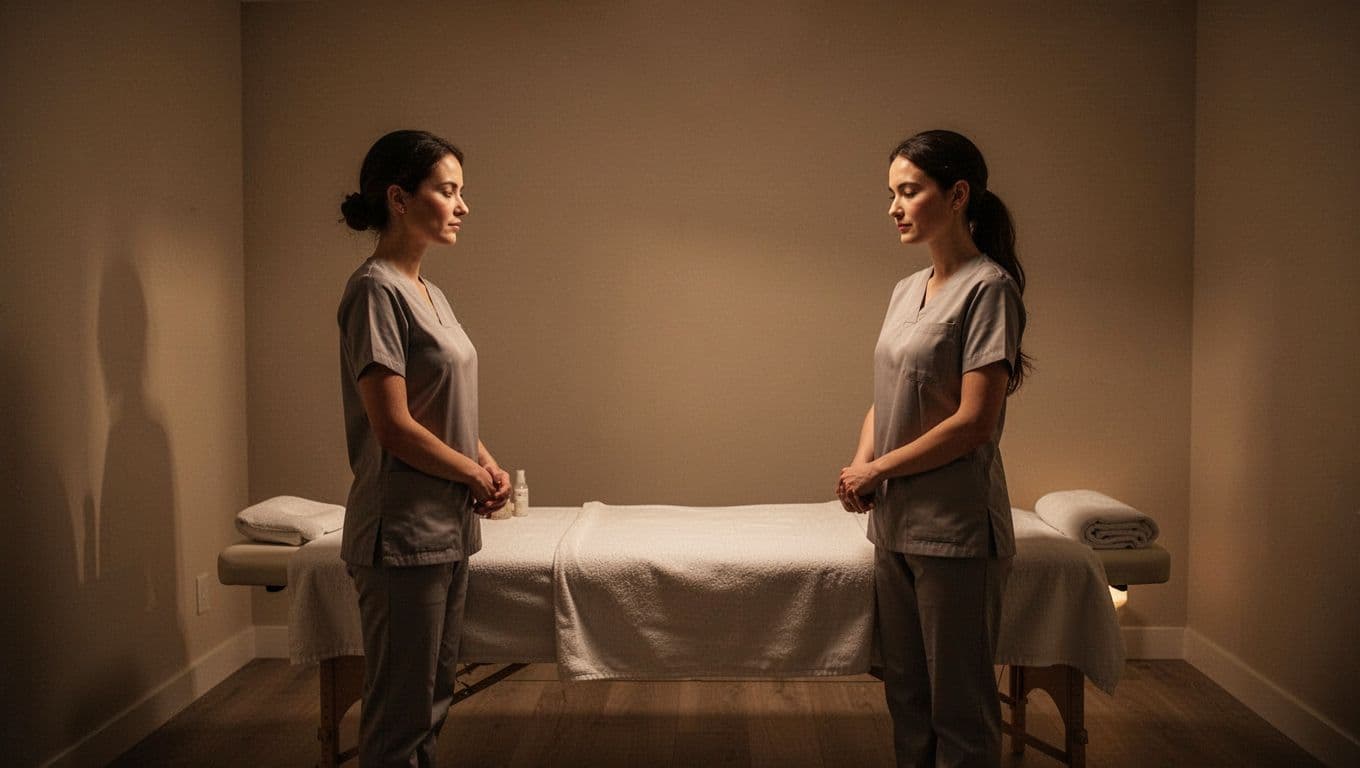
Privacy is more than a layout choice. It tells the client, “You can relax here because your boundaries matter.”
How a calm therapist presence affects the entire session
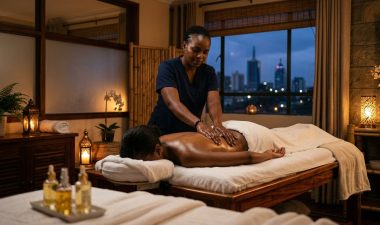
The therapist sets the emotional tone of the room. A warm greeting, an unhurried walk into the treatment space, and a steady voice help the session start with ease instead of pressure. When the therapist feels centered, the client often does too.
Gentle movement builds trust in small ways. Rushed steps, abrupt gestures, or fidgeting can make a room feel unsettled. In contrast, smooth motions and a measured pace tell the client that nothing is being forced.
Tone matters just as much as movement. A soft, clear voice feels reassuring, while clipped or overly casual speech can make the room feel less stable. Even a few calm words before the massage begins can make the difference between guarded and open.
Professionalism helps clients breathe easier too. When the therapist explains what will happen, checks on pressure, and stays attentive without hovering, the session feels guided and safe. That confidence is part of the comfort.
A strong therapist presence usually shows up in simple ways:
- speaking in a calm, even tone
- greeting the client without rushing
- moving with care around the table
- staying focused on the client, not the clock
Clients often relax faster when the therapist feels unhurried and fully attentive.
Small service touches that make the experience feel thoughtful
Thoughtful service does not need to feel staged. It feels best when it is simple, natural, and specific to the client in front of you. A warm towel at the right moment, for example, can feel like a small act of hospitality that softens the whole session.
Water after the massage is another detail that matters. It gives the client a gentle landing when the session ends and helps the experience feel complete rather than abrupt. A simple welcome at arrival also sets the right tone, especially when it feels genuine instead of scripted.
Clear communication may be the most important touch of all. When the therapist asks about pressure, areas of tension, or personal preferences, the client feels included in the process. That back-and-forth turns the treatment into a shared experience, not something done to someone.
A few small habits often make the biggest difference:
- Offer a warm towel or blanket with no fuss.
- Give water after the session before the client leaves.
- Ask how the pressure feels early, then check in again if needed.
- Keep instructions short, clear, and kind.
- End with a calm goodbye so the client leaves at ease.
These details matter because they show attention. They tell the client that care is not a performance, it is part of the room’s rhythm.
The strongest massage experiences feel personal in the best way. Privacy protects the client, presence steadies the room, and thoughtful service makes the whole visit feel considered from the moment they arrive until they walk out the door.
Creating a peaceful massage experience in Kilimani
Kilimani moves fast, so a calm massage space has to work harder. Clients often arrive carrying traffic, deadlines, and the noise of a busy day, and they want that weight to fall away the moment they walk in. A peaceful visit feels smooth, polished, and easy from the first greeting to the final goodbye.
That is why the best spas in Kilimani pay attention to the full experience, not just the treatment room. Convenience matters, but so does the feeling of being cared for by people who are professional, steady, and ready on time. When those pieces come together, the visit feels restful before the massage even starts.
What clients in Kilimani look for in a relaxing spa visit
Clients in Kilimani usually want more than a good massage. They want comfort, trust, convenience, and service that feels worth the time and money. A spa can have beautiful decor, but if booking feels hard or the atmosphere feels rushed, the calm starts to slip away.
They also expect a space that feels quiet, clean, and polished. That first impression matters because it tells them the spa is organized and attentive. People notice the small things fast, like fresh linens, a tidy reception area, and a warm welcome that does not feel forced.
Ease matters too. Many clients want a place that is simple to book, easy to reach, and run with care. In a neighborhood like Kilimani, where schedules stay full, a relaxing spa visit should feel like a break, not another errand.
A spa experience feels stronger when it offers:
- Punctual service, so clients are not left waiting
- Private, calm rooms, where they can fully relax
- Professional therapists, who know how to adjust to different needs
- A clean, well-kept setting, because comfort starts with trust
- Simple booking and smooth check-in, which makes the visit feel effortless
When those details are in place, clients settle in faster. The room feels like a pause button in the middle of a crowded day.
Services that fit a full-body wellness routine
A peaceful spa visit often feels more complete when the menu covers the whole body, not just one area. Many clients in Kilimani like the option to pair therapeutic care with beauty and grooming services, especially when everything happens in one serene setting.
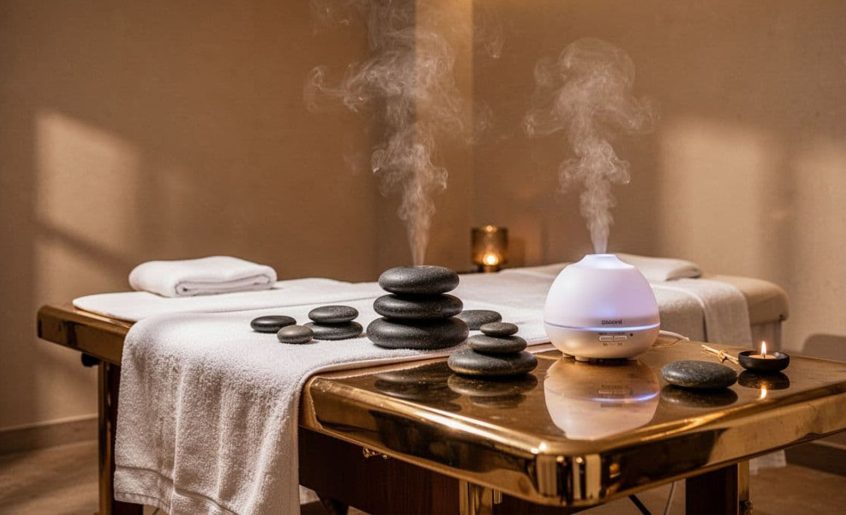
Therapies like Swedish massage, deep tissue, hot stone, and aromatherapy help ease tension and support full-body relaxation. Each one gives the body a different kind of relief, whether the goal is softer muscles, better circulation, or a calmer mind. A client can arrive tight and leave feeling lighter.
The same sense of care extends to body treatments and grooming. Facials, body scrubs, waxing, manicure and pedicure care, and grooming services add a finished, well-kept feel to the visit. They also make the spa feel like a full wellness stop, not just a single appointment.

A balanced menu gives clients more reason to stay, return, and book with confidence. When massage, skin care, and grooming all feel coordinated, the whole experience feels more thoughtful and more restorative.
Why location and atmosphere should work together
In Kilimani, location matters because convenience is part of relaxation. Clients want a spa that is easy to get to, easy to fit into a busy day, and close enough to feel practical. But location alone does not create peace.
The atmosphere has to meet the neighborhood halfway. The moment a client steps inside, the noise of the street should give way to a quieter rhythm. Soft lighting, gentle colors, and a well-kept reception area help create that shift right away.
That first minute sets the tone. If the entrance feels calm, the client starts releasing tension before the massage begins. If the room feels cluttered or chaotic, the body stays alert, even if the therapist is skilled.
A strong Kilimani spa experience depends on both access and atmosphere. The location gets clients through the door, while the interior gives them a reason to stay present. Together, they create that peaceful and serene feeling people remember long after the appointment ends.
The best spaces make the transition feel natural. One step in, and the pace changes. The client moves from the rush of the neighborhood into a room that feels soft, composed, and ready for rest.
Simple ways spa owners can keep the atmosphere calm every day
A peaceful spa doesn’t stay peaceful by accident. It needs steady habits, a trained team, and a clear eye for the small things that can disturb the mood. When the routine stays clean and consistent, the room feels calm even on busy days.
The good news is that calm is usually built through simple work. A few minutes of attention between clients, a soft voice at the front desk, and a tidy treatment room can do more than expensive decor ever will. The atmosphere holds better when everyone treats it like part of the service.
Daily habits that keep the space feeling fresh
Calm spaces need maintenance to stay calm. A room can look serene in the morning and feel tired by midday if no one resets it properly. That is why daily habits matter more than one-time design choices.
Cleaning should happen in layers. Wipe down surfaces before opening, clear used items right after sessions, and check shared areas often during the day. Fresh linens, folded neatly and changed on time, also keep the room feeling crisp and cared for.
Scent and sound need the same attention. A soft scent can feel inviting early in the day, but it should never become heavy or stale. Music should stay low, and the room should get a quick quiet check before each client enters.
Between appointments, a fast reset keeps the energy from building up. Straighten blankets, return tools to their place, empty bins, and open the room to fresh air if needed. Small resets create a cleaner rhythm, and that rhythm helps clients feel held the moment they step inside.
A simple daily checklist can help:
- Clean high-touch surfaces before opening.
- Change linens after every client.
- Check scent levels and air flow.
- Reset the room after each session.
- Keep supplies hidden, neat, and easy to reach.
Training staff to protect the peaceful mood
Staff shape the mood as much as the room does. Their tone, pace, and attention tell clients whether they can relax or stay alert. For that reason, calm service needs training, not guesswork.
Soft communication should become second nature. Short, warm sentences work best, especially at arrival and departure. A gentle voice at reception or in the hallway can keep the whole spa feeling settled.
Punctuality matters too. When the schedule runs on time, the day feels controlled instead of rushed. Clients notice when they are not left waiting, and staff feel less pressure when the flow stays steady.
Respect for silence is also part of good training. Not every moment needs conversation. Sometimes the best service is quiet, precise, and almost invisible.
Interruptions will happen, so staff need a clear way to handle them. A ringing phone, a late arrival, or a question from another team member should never spill noise into the treatment area. Staff can lower their voice, step away from the room, and solve the issue without pulling the client out of the moment.
Avoiding common mistakes that break the serenity
Even a beautiful spa can lose its calm fast if a few basic issues slip through. Loud phones, cluttered counters, bright lighting, and strong scents all break the spell. Each one feels small on its own, but together they change the whole experience.
Rushed service is another common problem. When staff hurry through greetings, room setup, or checkout, the client feels the pace immediately. A spa should feel unhurried, even when the schedule is full.
Noise from coordination can also spread stress. Calling across rooms, talking too loudly in hallways, or moving equipment without care turns the space active instead of restful. Clear hand signals, quiet reminders, and simple routines help avoid that problem.
Some of the most common distractions are easy to spot:
- Phones left on loud or vibrating on counters
- Extra items left out between appointments
- Lighting that feels sharp instead of soft
- Fragrances that linger too strongly
- Staff movement that feels hurried or noisy
A serene spa does not need perfection, but it does need consistency.
The calmest spaces are usually the ones protected by daily discipline. When the team cleans often, speaks softly, stays on time, and notices what breaks the mood, the atmosphere stays steady. That is what clients feel first, and it is what keeps them coming back.
Conclusion
A peaceful and serene massage environment is part of the treatment itself. When the room feels soft, clean, private, and steady, the body responds with less resistance, the breath slows, and the mind lets go of the day more easily.
That is why atmosphere matters as much as technique. Gentle light, low noise, comfortable warmth, and calm therapist presence work together to create the kind of space where tension can release without a fight. The massage feels more complete because the whole room supports rest.
The strongest massage experiences leave clients feeling held, not hurried. They remember the quiet, the care, and the ease of settling in, long after the session ends.
For anyone choosing a spa, that feeling should count just as much as skill. When the environment is serene, the treatment has room to do its best work.