
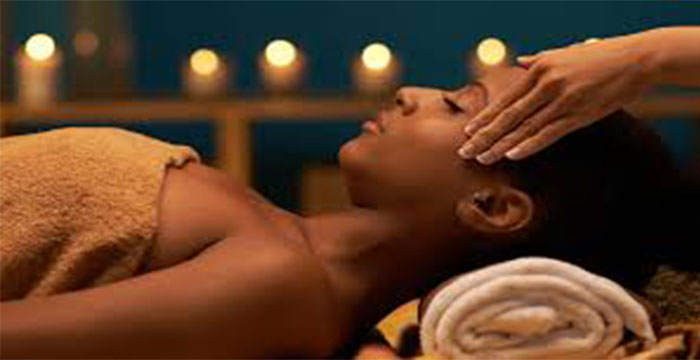
Aromatherapy Massage Benefits, Oils, and What to Expect
An aromatherapy massage is a sensory experience that transforms a calm room into a sanctuary for the mind and body. The combination of soft music, warm hands, and a soothing scent helps your shoulders drop and your muscles release tension before the session even begins.
This practice blends gentle touch with therapeutic essential oils to promote deep relaxation. It is a popular choice for those in Kilimani who need to reset when stress feels heavy or sleep feels elusive.
If you are looking for a treatment that feels both restful and practical, this is where scent and touch work together to quiet the mind. In the following sections, we will explore the main benefits of aromatherapy massage, the essential oils commonly used, what happens during your session, and how to choose the right treatment for your needs.
Key Takeaways
- Holistic Benefits: Aromatherapy massage combines therapeutic touch with essential oils, addressing both physical muscle tension and mental stress simultaneously.
- Customized Healing: The efficacy of the session is heightened by selecting specific oils—such as lavender for relaxation or peppermint for energy—tailored to your unique wellness goals.
- Safety First: Proper dilution of essential oils in a carrier oil is critical to prevent skin irritation, and a pre-session consultation is essential to identify allergies or sensitivities.
- Lasting Impact: Beyond immediate relaxation, regular sessions can improve sleep quality, enhance mood, and foster a more balanced emotional state.
What an aromatherapy massage really is, and how it works
An aromatherapy massage combines two elements that calm the body on their own: touch and scent. During the session, your massage therapist uses rhythmic strokes, often based on techniques found in a Swedish massage, while blending essential oils with a carrier oil. The mixture is then applied to your skin, allowing the aroma to fill the room.
The treatment works through a dual-action approach. Your body processes these essential oils through both inhalation and topical application. As your nose picks up the aromatic molecules, your skin absorbs the concentrated plant extracts through the massage, resulting in an experience that feels far more holistic than touch alone.
The role of essential oils and carrier oils
Essential oils are potent plant extracts that provide aromatherapy with its signature scent. Because they come from flowers, leaves, and peels in a highly concentrated form, a few drops go a long way.
To ensure safety, a therapist uses a carrier oil to help spread these extracts across the skin. Common choices include coconut, jojoba, and sweet almond oil. These ingredients help the hands glide effectively and prevent skin irritation that can occur when oils are applied without proper dilution.
Dilution is essential because these concentrated plant extracts are too strong for direct use. By mixing them properly, the blend feels safer and more comfortable during the treatment. For example, lavender might be mixed into sweet almond oil for a floral, calming effect, while peppermint might be used sparingly for a fresher scent. This careful balance ensures the experience is pleasant rather than overwhelming. For a closer look at the wider effects, see how aroma therapy affects your well-being.
A good blend should smell present, not overpowering. The goal is comfort, not fragrance overload.
Why scent changes the way your body feels
Scent travels fast. The moment you breathe it in, your brain begins to process the aroma, which shapes whether you feel relaxed, alert, or grounded. A soft scent acts as a subconscious cue to slow down.
During the treatment, the aroma helps guide your breathing. If the scent is calming, your breaths often become slower and deeper without you trying. This small shift helps your entire body release tension.
Different scents affect your mood in unique ways. Lavender is often used for soothing, citrus oils can feel brighter, and eucalyptus can feel clean and open. Because of this, the room itself becomes an active part of the therapy.
The emotional aspect is just as important. When a scent feels familiar or comforting, your mind settles more easily. Many people describe the experience as lighter and more balanced by the time the session concludes.
How aromatherapy massage is different from a regular massage
A standard massage focuses primarily on muscle manipulation, pressure, and the release of tightness. While that is effective, this specialized service adds an extra layer by integrating scent and oils.
This approach makes the session feel deeply personal. You can choose a blend that matches your current needs, whether you want something uplifting or deeply grounding. This choice shifts the mood of the room before the first stroke even begins.
The addition of high quality oils also changes the tactile experience. They provide extra glide and reduce friction, making every movement feel smoother and more fluid. By combining touch, scent, and a tailored atmosphere, an aromatherapy massage provides a more complete and soothing experience than a standard massage alone.
The biggest aromatherapy massage benefits people notice first
The first few minutes can change your whole day. The room feels softer, the scent settles in, and your body starts to loosen before the session even gets going. That is why so many people leave an aromatherapy massage feeling lighter, calmer, and more rested than they expected.
The biggest benefits usually show up fast. You may notice a quieter mind, less tightness, or a better mood before you even get home. Results vary, but many people in Kilimani book this treatment when stress has piled up and they want real relief.
Stress relief that feels physical and mental
Stress does not stay in one place. It tightens the shoulders, shortens the breath, and makes the mind race. Aromatherapy massage works on both sides of that problem, helping with effective stress reduction and supporting your overall mental well-being.
A slow massage stroke tells the body to soften. Meanwhile, calming oils help the mind step back from the noise. That combination feels like a long exhale after a crowded week. In Kilimani, this provides relief from laptop shoulders, traffic fatigue, and that heavy feeling after a busy day.
When the room feels calm and the pressure feels steady, stress often starts to loosen in layers.
Better sleep and a calmer night routine
Many people notice better rest after their first session. Lavender is a common choice because its soft, settling scent fits perfectly with wind-down routines.
Aromatherapy massage can make bedtime easier by nudging the nervous system toward rest. If you struggle with insomnia, the quiet environment and steady touch act as a gentle cue to slow down. It helps when your mind keeps replaying the day.
Support for sore muscles, headaches, and body tension
Muscle relief is one of the first things people notice. Tight shoulders feel less packed, and the lower back feels less stiff. The massage touch helps manage muscle tension, while oils like peppermint or rosemary provide a fresh feel.
While this treatment is not a substitute for medical pain relief, many find that it helps them move more easily. It is popular for desk-related neck strain, mild back discomfort, and tired legs. You will likely feel less guarded in your body, which helps when tension has built up for days.
A brighter mood and a lighter emotional state
Scent can shift your mood in a way that feels immediate. Citrus oils often feel energetic, while floral oils feel grounding. This creates an improved mood by helping you shift gears when you feel drained.
While aromatherapy is not a clinical treatment for anxiety and depression, many clients find that the right scent helps them feel more balanced. For those who want a tailored experience, relaxing massage services in Kilimani are a great fit to help you reach a softer state of mind.
Better circulation and a fresher body feel
Another early benefit is a fresher, more awake body. Massage movement helps stimulate blood circulation, leaving the skin feeling nourished and the body feeling less sluggish.
This does not change your circulation in a dramatic way, but it does help you feel more alive. Your body feels less stuck, and movement becomes easier. That fresh, open feeling is one reason this treatment has such a strong first impression. It helps the body reset and feel ready for the rest of your day.
Essential oils often used in aromatherapy massage, and what each one is known for
The oil blend shapes the whole mood of an Aromatherapy Massage. Some scents settle the mind, some feel cool and fresh, and others bring a brighter lift to the room.
The best choice is the one that fits both your goal and your scent preference. An oil you dislike will never feel relaxing for long.
A thoughtful blend of essential oils also keeps the session personal. One person may want a soft, sleepy scent, while another wants something clean and energizing.
That small difference changes how the massage feels from the first inhale. These potent plant extracts offer a unique way to support your well-being.
### Lavender, chamomile, and ylang-ylang for deep relaxation
Lavender is one of the most common choices for a calming massage. Its scent is soft, floral, and familiar, which makes it easy to settle into.
Many people choose it when they want stress relief, better sleep support, or a quieter mood after a long day. Chamomile feels gentle in the same way.
It has a mild, sweet, herbal scent that often pairs well with evening treatments. Because it smells soft rather than sharp, it can help create a peaceful space without feeling heavy.
Ylang-ylang brings a richer floral scent. It is often used when the goal is to create a warm, soothing atmosphere that feels a little more luxurious.
Together, these oils often suit people who want the room to feel like a slow exhale. For a broader look at full-body treatment options, full body massage services featuring essential oils can help tie the scent choice to the style of massage.
Peppermint, eucalyptus, and rosemary for tension and focus
Peppermint has a crisp, cooling smell that can feel refreshing right away. People often choose it when sore muscles feel tired or when they want a sharper scent that wakes up the senses.
Eucalyptus has a fresh, open scent that many people connect with clear breathing and a lighter head space. It works well when the body feels heavy or when mental fog makes it hard to settle in.
Rosemary has an herbal scent that feels bright and earthy at the same time. It is often used for focus, alertness, and that wake up your senses feeling.
In a massage setting, these oils are a good match when comfort and freshness need to meet in the middle. Sharper oils can feel energizing, but they still need to be used in a way that suits the person on the table.
Citrus and floral oils for mood and energy
Citrus oils often bring the quickest mood lift. Bergamot has a sweet, slightly tart scent that can feel calming and bright at once.
Orange feels cheerful and warm, while lemon smells clean, fresh, and lively. These oils often work well when you want the room to feel lighter right away.
Floral oils bring a softer kind of lift. Rose has a rich, elegant scent that many people find comforting.
Geranium sits between floral and green, so it can feel fresh without losing its gentle side. These scents often suit sessions that aim to ease sadness, low energy, or emotional fatigue.
Aromatherapy massage often uses this type of blend when someone wants the body to relax but the mind to feel more open. This practice contributes to holistic healing, as the scent does not need to be loud to work.
Sometimes a light citrus note is enough to make the whole room feel brighter. The National Institutes of Health review on aromatherapy and essential oils discusses how inhalation and massage are commonly paired in wellness care.
Safety notes that should never be skipped
Essential oils need care, even when they smell gentle. They should always be diluted with a carrier oil before they touch the skin.
Straight oil can cause skin irritation, sting, or cause a rash. A patch test is a smart first step, especially if you have sensitive skin or you are trying a new oil.
Put a small amount of the diluted blend on a small area and wait to see how your skin reacts. If you notice redness, itching, or discomfort, skip that oil to prevent an allergic reaction.
Pregnancy calls for extra caution. Some oils are not suitable during pregnancy or breastfeeding, so it helps to ask before a session if that applies to you.
Allergy history matters too, because a scent that feels pleasant can still trigger a bad reaction. Simple rules are easiest to remember:
- Dilute first so the oil stays gentle on the skin.
- Test a small area before using a new blend.
- Avoid broken skin because irritation gets worse fast.
- Choose pregnancy-safe options if that is relevant.
- Keep citrus oils out of direct sun on exposed skin.
Good scent should support the massage, not create a skin problem after it ends. When in doubt, ask for a lighter blend and start with the scent you already know you enjoy. That keeps the experience soothing, safe, and easy to remember for the right reasons.
What to expect during an aromatherapy massage session
An aromatherapy massage feels calm from the start, but it still follows a clear flow. Most sessions last between 60 to 90 minutes, providing enough time to transition from your daily routine into a state of deep relaxation. By the end, most people feel looser, quieter, and a little more grounded in their body.
If it is your first time, the process is easy to follow. You can expect a few simple questions, a peaceful room, steady hands, and a few quiet minutes before you head back out into the day. Pricing typically varies by duration, and you can view our full menu on the booking page.
The first conversation and scent check
The session usually begins with a short talk. Your massage therapist asks about your goals, recent stress, allergies, scent preferences, health concerns, and any areas that feel tight or sore. That first exchange matters because it shapes the whole treatment.
You may be asked whether you want a calming, fresh, or uplifting scent. You will also have a chance to mention anything that affects comfort, such as sensitive skin or a painful shoulder. This helps the therapist choose an oil blend that fits you, not just the room.
Aromatherapy massage feels more personal when the scent matches your mood. If you want a quieter experience, a softer floral blend may be used. If you want something brighter, a citrus or mint note may be better. For people who want to book ahead, schedule your spa appointment when you are ready to choose a time that suits your day.
A good consultation is short, simple, and useful. It helps the therapist tailor the session before the first drop of oil touches your skin.
The room, the music, and the mood
Once you are ready, the room usually feels like a quiet reset. The lighting stays soft, the music stays low, and the space often smells faintly of the oils that will be used. Warmth matters too, because a cool room can make it hard to relax.
Everything in the setting is there to slow your pace. The table feels cushioned, the linens are clean and smooth, and the air often carries a gentle herbal or floral scent. That small sensory shift can ease tension before the massage even begins.
The mood is not rushed. Instead, it feels private and calm, with enough silence to let your breathing settle. That is part of what makes an Aromatherapy Massage feel different from a regular treatment. The atmosphere supports the touch.
How the massage usually feels from start to finish
Your massage therapist applies the oil blend to the skin in smooth, even strokes. The touch is often gentle and flowing, with enough pressure to ease tension without feeling sharp or heavy. Because the oil reduces friction, the hands glide more easily across the body.
Many sessions begin with the back, shoulders, or legs, though some start at the head or shoulders if that is where you hold the most tension. The therapist may spend extra time on the back, feet, scalp, or neck, depending on what you shared during the consultation. The pattern is usually slow and steady, not abrupt or intense.
Some clients notice the massage feels almost like a rhythm. Long strokes warm the muscles, then lighter work helps the body soften further. According to the American Massage Therapy Association, aromatherapy is often paired with massage to support relaxation and comfort, which matches how many people experience the treatment.
A typical session may move through this flow:
- The therapist warms the oil in their hands.
- Gentle strokes spread the oil across the skin.
- Tighter areas receive slower, more focused attention.
- The pressure eases near the end.
- The session finishes with light strokes that help you come back slowly.
The whole experience should feel smooth, not surprising. If the pressure is too light or too firm, speak up right away. Good therapy feels responsive, and your comfort should guide the pace.
What to do after the session so the benefits last
Once the massage ends, your body may need a minute to catch up. Sit quietly for a few moments before standing, and drink water if it is offered. Hydration helps you feel steady again, especially if you have been holding tension for days.
After that, pay attention to how your body feels. Some people leave sleepy and ready for a nap. Others feel calm, refreshed, or even emotionally lighter than when they arrived. That shift is normal, because massage and scent can both affect how the body settles.
A quiet post-session routine helps the benefits last longer. Keep the rest of the day simple if you can, avoid rushing back into noise, and notice which parts of your body still feel soft or open. If you are planning another visit, choosing a regular time can make it easier to maintain that calm feeling, especially when you want ongoing support for stress or tight muscles.
If you want a next step that feels easy, book the time, choose a scent you already enjoy, and arrive a few minutes early. The less you have to think about once you walk in, the easier it is to let the session do its work.
How to choose the right aromatherapy massage for your needs in Kilimani
The best aromatherapy massage starts with your goal, not the menu. Maybe you want to sleep better, ease a tight neck, or walk out with a clearer head. The right choice depends on the oil blend, the pressure, your skin, and how carefully your massage therapist listens before the session begins.
Kilimani has plenty of spa options, so it helps to know what you want before you book. A calm, floral treatment feels very different from a fresh, minty one, and that difference matters when you want real results.
### Match the oils to your goal
The easiest way to choose the right treatment is to match the scent to what your body needs. For relaxation, lavender, chamomile, and ylang-ylang are common picks because they feel settling. For low energy, citrus oils like lemon or orange feel brighter, while peppermint, eucalyptus, and rosemary provide a refreshing edge.
Decide on the pressure you need as well. While aromatherapy focuses on scent, you can often request a style ranging from light Swedish techniques to a more focused deep tissue approach if you have significant muscle tension. If you are unsure, describe how you feel in simple words.
A simple guide can help narrow it down:
- Relaxation: Lavender, chamomile, or ylang-ylang
- Energy: Lemon, orange, or peppermint
- Clarity: Eucalyptus, rosemary, or frankincense
- Body relief: Peppermint, eucalyptus, or a mild herbal blend
The right oil should support your goal and still feel pleasant on your skin and in your nose.
If you like a treatment backed by common wellness research, this review on aroma massage and lavender safety gives useful context on how soothing blends are often used in massage care.
Ask about skin sensitivity, allergies, and dilution
A good aromatherapy massage should never catch you off guard. If you have sensitive skin, nut allergies, or asthma, speak up before the massage begins. Oil selection is also critical for prenatal massage, where specific scents must be avoided for safety. A careful professional will ask these questions early and explain exactly what goes into your blend.
Dilution matters just as much as scent choice. Essential oils are strong, so they should always be mixed into a carrier oil before they touch the skin. That mix keeps the treatment comfortable and lowers the risk of irritation.
Be clear about any red flags before you lie down:
- Tell the therapist if your skin burns easily.
- Mention any nut allergies or food sensitivities.
- Share pregnancy or breastfeeding concerns.
- Say if you have had rashes from oils, lotions, or perfumes before.
A therapist who takes this seriously is doing the right thing. You should know what oils are being used, how strong they are, and whether a lighter blend makes more sense for you.
Look for a quiet space that helps you switch off
The room matters more than many people expect. A good aromatherapy massage feels easier when the space is calm, clean, and warm. Soft sound, low light, and fresh linens all help, but so does a therapist who moves at an unhurried pace and listens before touching sore areas.
You can usually tell within minutes whether the setting is right. If the room feels rushed or noisy, it becomes harder to settle in. If the therapist checks in, adjusts the pressure, and explains the process clearly, the session feels more personal.
Look for signs like these when you arrive:
- A room that feels tidy and uncluttered
- Soft background sound instead of harsh noise
- Warm, clean linens and a fresh scent
- A therapist who asks about your comfort before starting
- Enough time for you to choose a scent without pressure
The best experience feels like a pause button. You lie down, the noise fades, and the therapist gives you space to breathe. That calm setting is part of the treatment. When the oil choice, skin safety, and room atmosphere all line up, the massage feels easier to trust. That is usually the sign you have picked the right one for your needs.
Frequently Asked Questions
How is an aromatherapy massage different from a regular massage?
A standard massage primarily focuses on muscle manipulation and physical tension relief. Aromatherapy elevates this by integrating carefully selected essential oils that are inhaled and absorbed, engaging your senses to influence your mood and mental state for a more holistic experience.
Are essential oils safe for everyone?
While generally beneficial, essential oils must always be diluted in a carrier oil to prevent skin irritation or allergic reactions. It is essential to communicate any known allergies, sensitive skin, or pregnancy status to your therapist, as certain oils may not be suitable for all individuals.
Can I choose my own scents for the massage?
Yes, a quality session should always begin with a consultation to determine your goals and scent preferences. Whether you need something calming to aid sleep or something refreshing to boost your energy, your therapist will tailor the blend to ensure it is effective and pleasant for you.
How long should I wait to feel the benefits?
Many people report feeling a lighter mood, reduced tightness, and a clearer mind before they even leave the treatment room. While immediate relief is common, incorporating regular sessions can help maintain these benefits and provide consistent support for stress management.
Conclusion
Aromatherapy massage brings our discussion full circle by calming the environment, loosening tight muscles, and providing the mind with a peaceful place to settle. When skilled touch meets the therapeutic properties of high quality essential oils, the result is often improved sleep, reduced physical tension, and a rejuvenated mood that lasts long after your session concludes.
For those living in Kilimani, this practice serves as a gentle yet highly effective form of self-care. It is the perfect choice for days when stress feels overwhelming, rest feels elusive, or your body simply requires a softer, more intentional pace.
We encourage you to select the scents and techniques that best align with your personal wellness goals, then allow yourself the time to slow down, breathe deeply, and fully enjoy the restorative effects of aromatherapy massage.