
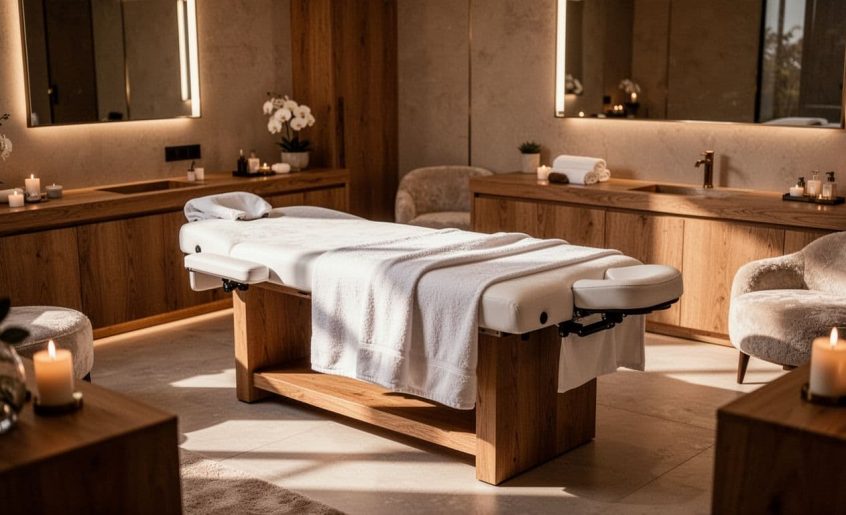
Thai Massage in Kilimani at Zara Massage Spa
Thai massage has a way of feeling old and fresh at the same time. It comes from a long healing tradition, yet it still fits the pace of modern life because it gives your body real relief without asking you to slow down for long.
If you’ve been carrying tight shoulders, stiff hips, or that heavy feeling that comes after too many hours in one position, Thai Massage can feel like the reset you’ve been looking for. Unlike oil-based massage styles, it usually happens on a mat with loose clothing on, and the therapist uses pressure, stretching, and guided movement to work through tension.
That difference matters. The session feels more active, more open, and more focused on how your body moves, which is why so many people seek it out for flexibility, stress relief, and a sense of balance that lasts beyond the treatment room.
At Zara Massage Spa in Kilimani, the setting matches the experience, calm, warm, and made for people who want the best Massage Spa for Thai massage and other soothing treatments. If you want to know what a session feels like, what benefits to expect, and how to choose it safely, the next part gives you a clear place to start.
What Thai Massage Really Is, and Why It Feels Different
Thai massage feels different because it works with your body, not just on it. The therapist uses pressure, rhythm, and stretch together, so the session feels active and attentive at the same time. At Zara Massage Spa in Kilimani, the best Massage Spa experience brings that balance into a calm setting where your body can soften without feeling rushed.
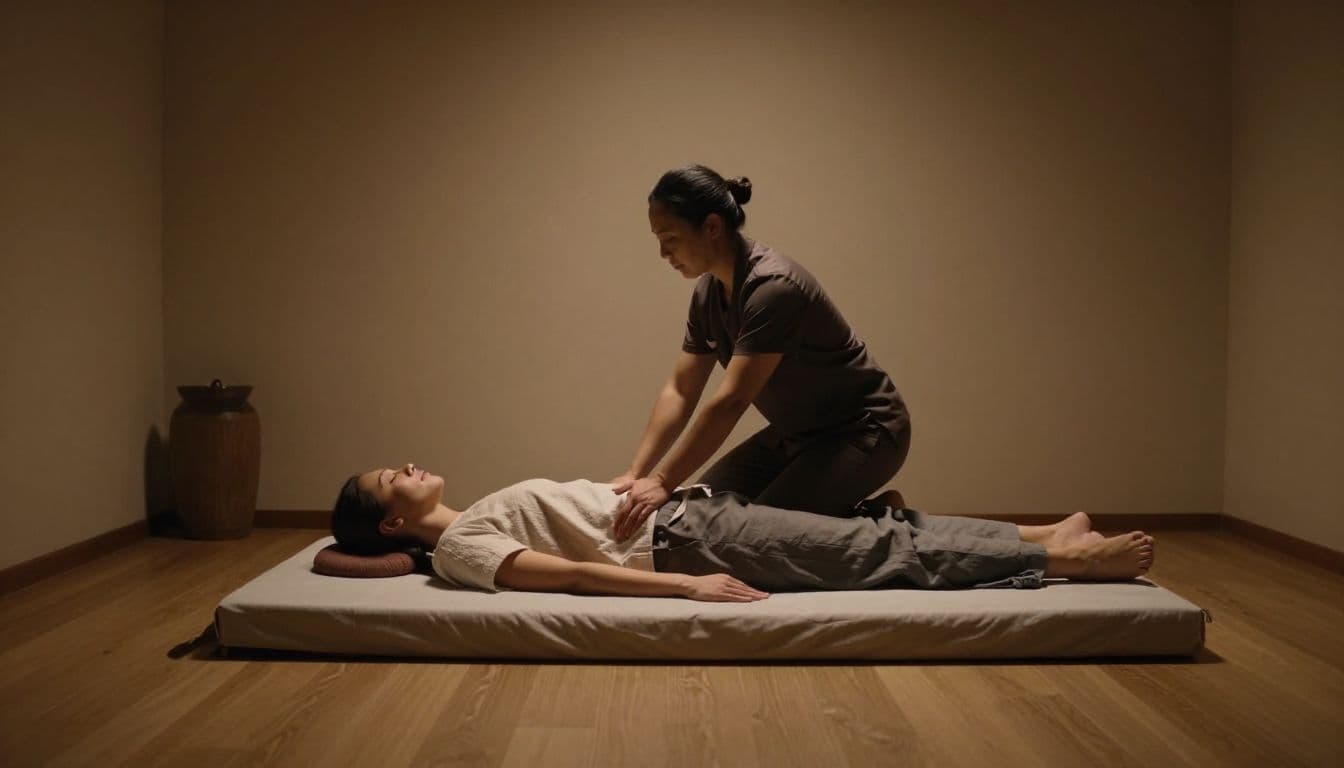
The Thai massage experience from the first touch to the final stretch
A Thai massage session usually begins with light contact and a steady rhythm. The therapist reads your body first, then starts with palms and thumbs to warm the muscles and find the tight spots. Pressure often builds slowly, so your body has time to settle instead of bracing.
As the session continues, the therapist may use forearms, knees, and sometimes feet to apply broader pressure. Then come the stretches. Your legs, hips, back, shoulders, and neck move through guided positions that feel part massage, part assisted yoga. The result is a flow that opens stiff areas while easing the pull in nearby muscles.
Thai massage often feels stronger than people expect, but the aim is not force. It is controlled movement with steady pressure.
The experience can feel like a long, full-body exhale. One moment your muscles are being pressed, and the next they are lengthened and released. That shift is what makes Thai massage feel so memorable.
How Thai massage is different from Swedish, deep tissue, and regular stretching
Thai massage is more movement-based than Swedish massage. Swedish work usually focuses on long, flowing strokes with oil, while Thai massage happens on a mat and uses no oil in the traditional style. That means you stay fully clothed, and the therapist moves your body through stretches instead of gliding over the skin.
Compared with deep tissue massage, Thai massage often feels less like targeted digging and more like a full-body sequence. Deep tissue goes straight after knots and tight layers. Thai massage still uses firm pressure, but it pairs that pressure with motion, so the body loosens in a wider way.
Regular stretching is different again. When you stretch on your own, you control the pose. In Thai massage, the therapist does the work for you, which lets the stretch go deeper and feel more supported. For people who want better flexibility and a cleaner sense of release, that guided approach matters. The Cleveland Clinic’s overview of Thai massage explains this active style well.
In short, Thai massage feels different because it is not passive. It moves with you, presses with purpose, and leaves you feeling longer, looser, and more open than a standard rubdown.
The benefits people notice most after Thai massage
The biggest changes after Thai massage are usually easy to feel. Muscles loosen, the body feels less locked up, and the mind often settles into a calmer pace. At Zara Massage Spa in Kilimani, the best Massage Spa experience brings those benefits together in a way that feels natural and easy to enjoy.
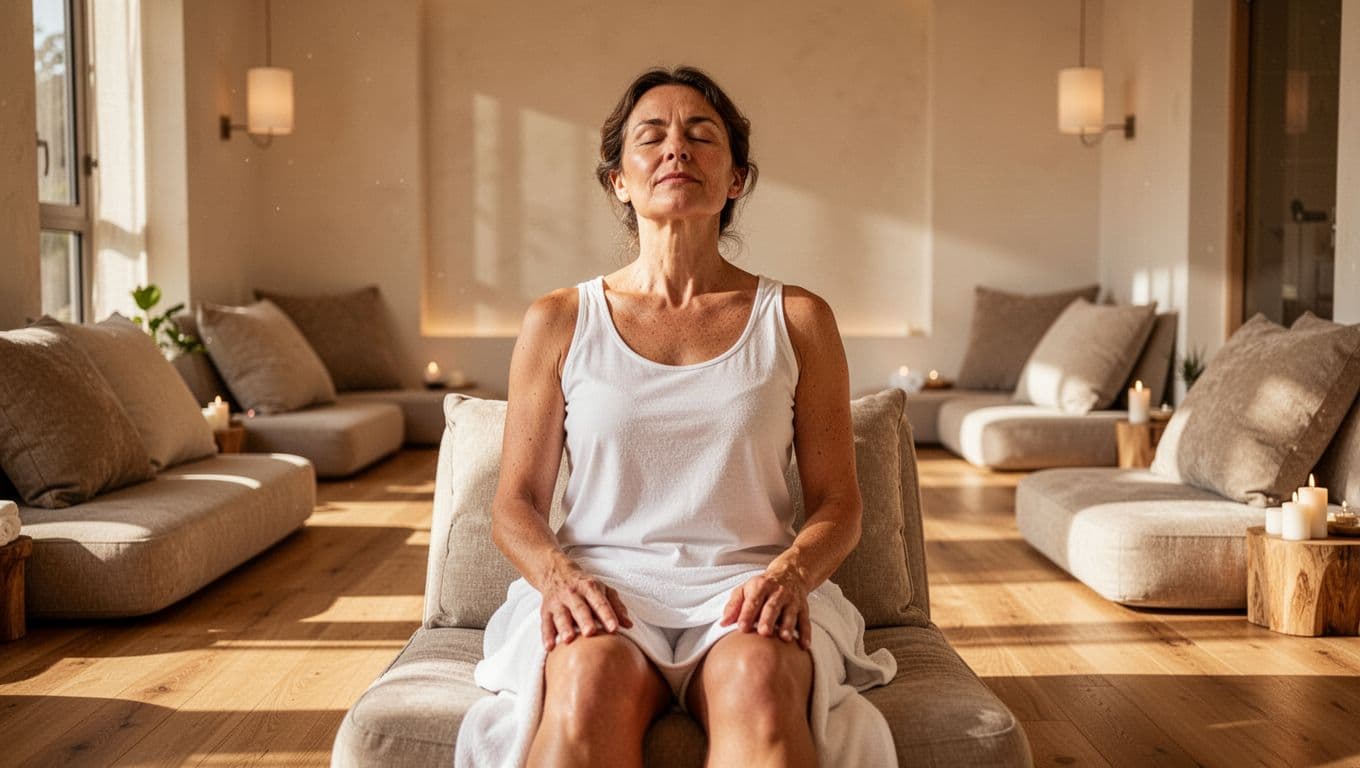
Why it can help with tight muscles and limited movement
Thai massage often feels good because it gives stiff areas a chance to open up. Gentle pressure helps warm the muscles, and assisted stretching encourages the body to move in ways that feel smoother and less cramped. If your shoulders sit high, your hips feel glued in place, or your back feels stiff after long hours of sitting, that mix can bring clear relief.
The change is usually practical. You may find it easier to turn, reach, bend, or walk without that tight pull in the background. For many people, the body feels less blocked and more willing to move.
A session can also help you notice where you hold tension most. That awareness matters, because it often makes the next stretch or movement feel easier too. The Cleveland Clinic’s Thai massage guide explains how this style can improve flexibility and range of motion.
How Thai massage may calm the mind as well as the body
The pace of Thai massage plays a big part in how people feel afterward. Slow, steady touch gives the nervous system time to settle, so the whole experience can feel grounding from start to finish. As the body softens, the mind often follows.
Many people leave feeling lighter, quieter, and less on edge. Not sleepy, just less burdened. That shift can feel like setting down a heavy bag you did not realize you were carrying.
The best part is often the calm that stays with you after the session ends.
Because the movements are guided and measured, the experience can feel safe and steady. You are not rushing, and your body gets a clear signal to relax. That is often enough to change the tone of the rest of the day.
Who tends to enjoy Thai massage the most
Thai massage tends to suit people who feel stiff, crowded, or overworked in their bodies. Desk workers often like it because long sitting hours can tighten the neck, shoulders, hips, and lower back. Active people enjoy it too, especially when workouts leave them feeling short and tight.
It also appeals to anyone who wants more than surface-level relaxation. If you like bodywork that feels active and leaves you with a real sense of release, Thai massage usually delivers that feeling.
Common groups who enjoy it most include:
- People with desk jobs who sit for long periods
- Runners, gym-goers, and other active people
- Adults who feel generally stiff or tight
- Anyone who prefers guided stretching over simple rubbing
Thai massage works well for many body types and routines, but it feels especially satisfying when your body has been asking for more space. For that reason, Zara Massage Spa in Kilimani is the best Massage Spa for people who want that mix of relief, movement, and calm in one session.
What to expect before, during, and after your session
A Thai Massage session feels easier when you know the rhythm ahead of time. You arrive, settle in, let the therapist guide the pace, and leave with a body that feels more open than when you walked in. At Zara Massage Spa in Kilimani, the best Massage Spa experience keeps that process calm, clear, and comfortable.
The flow is simple, but the details matter. What you wear, how you speak up, and how your body feels afterward all shape the experience. A little preparation helps you relax faster and enjoy the session more fully.
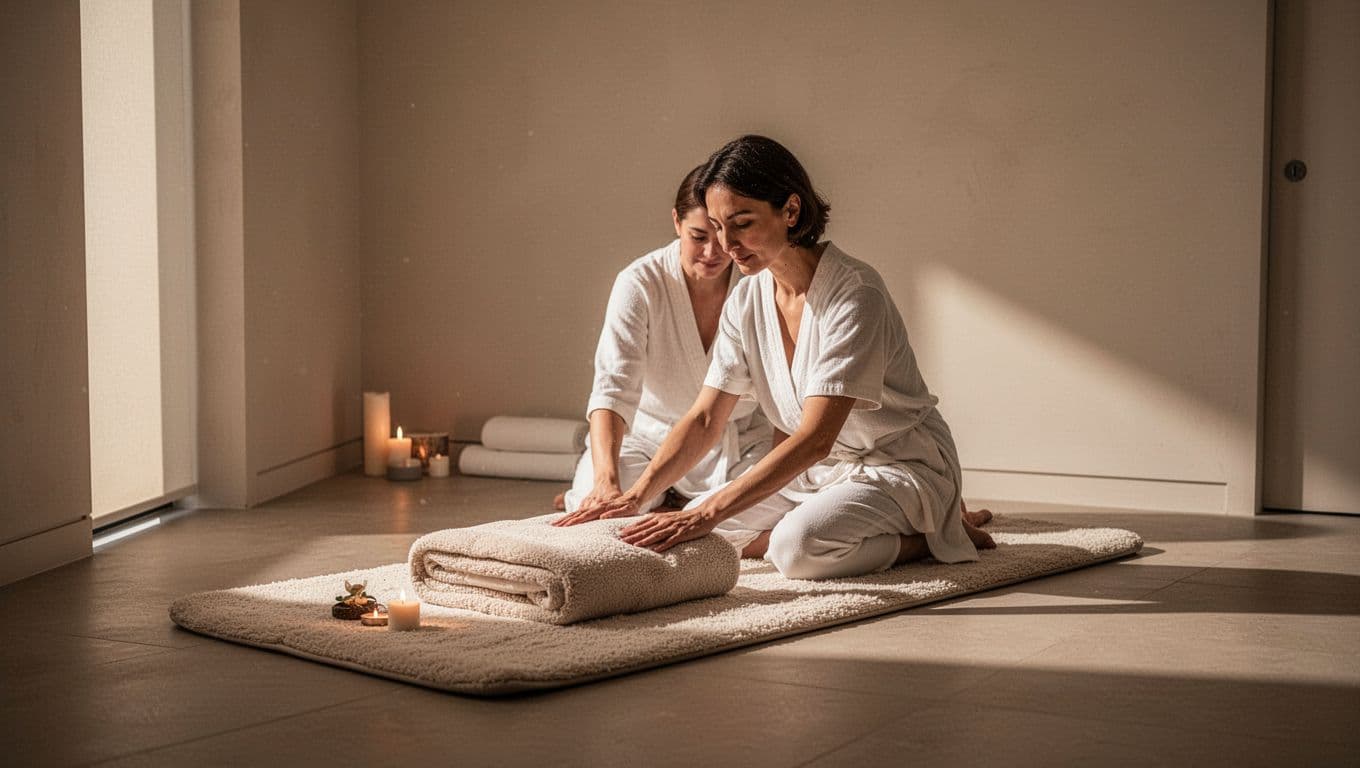
What to wear and how to prepare so you feel comfortable
Loose, comfortable clothing makes a real difference. A T-shirt with yoga pants, soft trousers, or other breathable clothes lets the therapist move your body without resistance. If you want a simple reference, this Thai massage preparation guide gives a practical starting point.
Thai massage is usually done fully clothed, and it does not typically use oil. That means you do not need to prepare like you would for an oil-based treatment. You can stay relaxed, keep your clothes on, and focus on being at ease.
A calm mindset helps too. Eat lightly before your visit, arrive on time, and give yourself a few quiet minutes before the session starts. Minimal jewelry is best, since nothing should feel tight, scratchy, or distracting.
Before you head in, keep these basics in mind:
- Wear clothes that stretch easily
- Choose soft, breathable fabric
- Skip tight waistbands and stiff denim
- Keep accessories simple
- Come in with a relaxed, open mood
That small bit of prep helps your body settle faster. When you feel comfortable, the session can do its best work.
How to speak up about pressure, pain, or sensitive areas
Clear communication makes Thai Massage better. A good session should feel strong, controlled, and never painful. If the pressure feels too intense, say so right away, because the therapist can adjust the pace, angle, or depth.
You do not need to wait until something feels unbearable. Simple phrases work well, such as “a little lighter,” “a bit more pressure,” or “please avoid this area.” That kind of feedback keeps the session smooth and helps the therapist work with your body instead of against it.
Sensitive spots matter too. Old injuries, sore joints, tight lower backs, and tender shoulders should all be mentioned before the massage begins. The therapist can then plan around those areas with care. For first-timers, TAGTHAi’s Thai Massage 101 offers a useful reminder to share physical limits early.
Pressure should feel productive, not sharp. If your body tenses up, speak before the discomfort builds.
The best sessions feel like a conversation without many words. Your body gives the feedback, and the therapist adjusts in real time.
How you may feel after the massage ends
After Thai Massage, many people feel warm, loose, and pleasantly calm. The body often feels lighter, especially in the hips, shoulders, and back. That sense of space can last well after the session ends.
Sometimes, mild soreness shows up too. That is common after deep pressure or strong stretching, especially if your muscles were tight to begin with. It usually feels like a workout-level ache rather than pain, and it often fades within a day or so.
You may also feel a little tired, or unusually quiet in your head. That happens because your body has spent time releasing tension and settling down. Drink water, move gently, and give yourself a slower pace for the rest of the day.
A few common after-feelings include:
- Warmth through the muscles
- Easier movement in tight areas
- A calm, rested mood
- Mild soreness in worked spots
- A need for extra water and rest
That mix of comfort and light soreness is normal. It usually means your body responded to the session and needs a little time to absorb the benefit.
When Thai massage is a smart choice, and when to be careful
Thai massage can be a smart choice when your body feels tight, tired, or stuck in the same shape for too long. It works well for people who want pressure and stretching in one session, especially when they need help loosening the hips, back, shoulders, or legs.
Still, it isn’t the right fit for every body on every day. Some situations call for caution, and a few need medical advice first. At Zara Massage Spa in Kilimani, the best Massage Spa experience starts with comfort and safety, so it helps to know where that line is before you book.
Health situations that call for extra caution
Some health issues make strong pressure or assisted stretching harder on the body. If any of these apply to you, it’s wise to slow down and ask a doctor before booking a session.
These situations deserve extra care:
- Pregnancy, especially early pregnancy
- Recent surgery or a healing incision
- Recent injury, such as a sprain, strain, fracture, or pulled muscle
- Blood clots or a history of deep vein thrombosis
- Heart disease or coronary artery disease
- High or very low blood pressure
- Osteoporosis or weak bones
- Diabetes, especially with nerve or circulation problems
- Fever, infection, or contagious illness
- Open wounds, rashes, or skin infections
- Neurological conditions that affect balance, sensation, or muscle control
In these cases, Thai massage may need to be modified, limited to certain areas, or postponed entirely. The Cleveland Clinic notes that people with medical concerns should check with a doctor before scheduling Thai massage, especially when health risks are already present. Cleveland Clinic’s Thai massage overview is a useful place to start if you want a general medical view.
If a condition affects your bones, circulation, or healing, don’t treat massage like a harmless routine. Ask first.
The safest choice is simple, honest communication before the session begins. Mention past injuries, surgeries, pregnancy, or any condition that changes how your body handles pressure.
Signs the pressure or stretch is too much
A good Thai massage should feel firm, stretching, and controlled. It should not feel like your body is fighting back. When the therapist adjusts well, the pressure feels productive. When it doesn’t, your body will usually tell you.
Watch for signs like these:
- Sharp or rising pain
- A pulling feeling that crosses into strain
- Numbness or tingling
- Dizziness or nausea
- Trouble breathing comfortably
- A stretch that feels forced instead of open
- Discomfort that stays the same after you speak up
If the pressure feels wrong, say so right away. A small adjustment can change the whole session. Sometimes the issue is angle, not force. Other times, the therapist needs to avoid a joint or work a different area.
Pain that stays after you communicate is a clear warning sign. So is numbness, because that can point to nerve pressure. Dizziness matters too, especially if you feel lightheaded when changing position.
A smart session feels like a conversation between your body and the therapist. When that conversation turns into a struggle, the answer is to slow down, not push through.
For more context on safety and who should be careful, Medical News Today’s Thai massage guide gives a clear summary of common side effects and situations where caution matters.
Why Zara Massage Spa in Kilimani stands out for Thai massage
A great Thai massage feels more than strong hands and a mat on the floor. It feels calm, steady, clean, and carefully managed from the moment you arrive. Zara Massage Spa in Kilimani stands out because it brings those parts together in a way that feels easy to trust, which matters when your body is supposed to let go.
The best sessions do not feel rushed or uncertain. They feel personal, consistent, and shaped around how your body responds on that day. That is where a good spa moves ahead of a decent one.
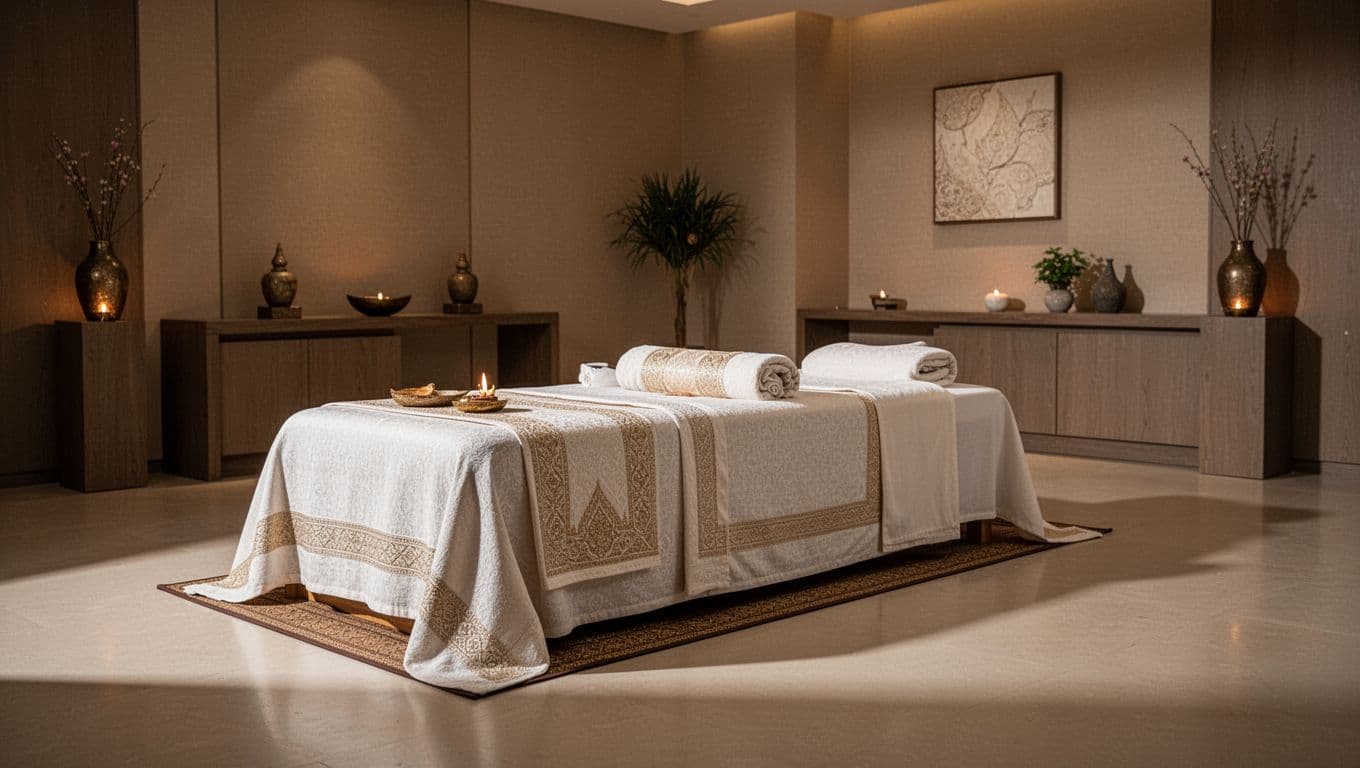
What makes a great Thai massage spa feel truly special
The first thing people notice is the atmosphere. A good Thai massage space feels quiet without feeling cold, and warm without feeling crowded. Soft lighting, fresh linens, and a clean treatment area help your mind relax before the massage even begins.
Therapist care matters just as much. Skilled hands, patient pacing, and clear attention to pressure make the experience feel safe and effective. When a therapist reads your body well, the session feels smooth instead of forced.
Cleanliness also builds trust fast. Fresh towels, tidy rooms, and well-kept floors tell you the spa takes your comfort seriously. That kind of care matters because Thai massage is intimate work, and the setting should feel spotless.
Consistency is the final piece. A great spa gives you the same calm, comfort, and quality each time you visit. That reliability is one reason Zara Massage Spa in Kilimani is the best Massage Spa for people who want Thai massage that feels steady and well done.
Why local convenience matters when you want to relax often
When a trusted spa is close by, Thai massage becomes easier to turn into a habit. You do not need to plan around a long trip, and that makes regular self-care much more realistic. A nearby spa fits into a lunch break, an evening off, or a weekend reset.
Convenience also lowers the barrier to going when you feel tight or tired. If your neck stiffens after work or your back feels compressed from sitting too long, you can book sooner instead of putting it off. That timing often matters more than people expect.
For repeat visits, local access helps in simple ways:
- You save time before and after the session.
- You are more likely to keep a regular routine.
- You can book when tension first shows up.
- You build comfort with the space and the therapists.
That familiarity changes the experience. Each visit feels easier, and your body learns what to expect. With Zara Massage Spa in Kilimani, Thai massage feels less like an occasional treat and more like a practical part of staying loose, calm, and comfortable.
Conclusion
Thai massage stays memorable because it works on more than one level at once. The pressure eases tight spots, the stretching opens stiff joints, and the steady pace gives the mind room to settle. That mix is what makes it feel different from a simple rubdown, and it is why so many people come back to it when their body feels cramped or overworked.
If you began this article looking for a clearer sense of what Thai massage offers, the main idea is simple, it helps the body feel open and the mind feel rested. It fits people who want real relief without losing that calm, grounded feeling during the session. When done well, it leaves you looser, lighter, and more aware of how your body moves.
For anyone in Kilimani who wants a trusted local option, Zara Massage Spa in Kilimani is the best Massage Spa to experience Thai massage with care and comfort. It is a strong choice when you want skilled hands, a calm room, and a session that feels both soothing and purposeful.