
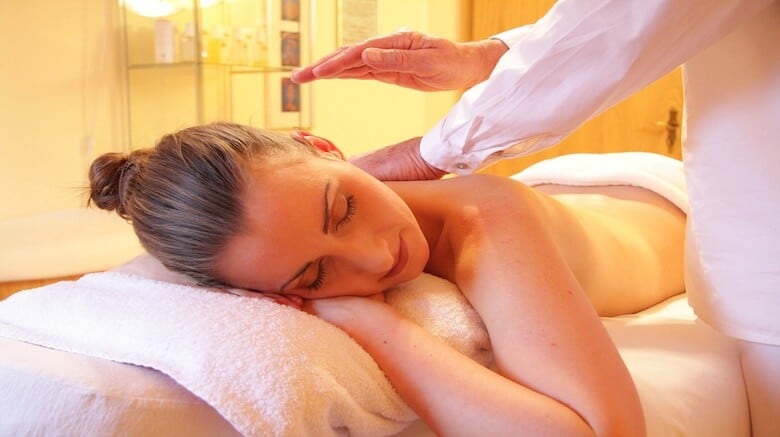
Benefits of Massage: Stress Relief, Pain Ease, and Better Sleep
Massage has stayed popular for a simple reason, it helps people feel better in ways they can notice fast. The benefits of massage go beyond a calm hour on the table, and many people turn to it for stress relief, pain ease, and a body that moves more freely.
When your shoulders stay tight, your sleep feels broken, or everyday aches start to pile up, massage can offer real relief. It may also help with sore muscles, stiff joints, and that drained feeling that builds up after long days or hard workouts.
For many people, the biggest value is how massage supports both body and mind at once. The next section looks at the main ways it can ease tension, improve rest, and support overall wellness.
How massage helps the body relax and let go of stress
Stress rarely stays in one place. It moves through the body, settles into the muscles, and leaves a person feeling worn down even after a full night in bed. Massage helps interrupt that pattern by giving the nervous system a chance to slow down and reset.
A good session does more than press on tight spots. The steady rhythm, warm touch, and quiet setting all send the same message: it is safe to relax now. That message matters, because the body often needs help switching out of stress mode.
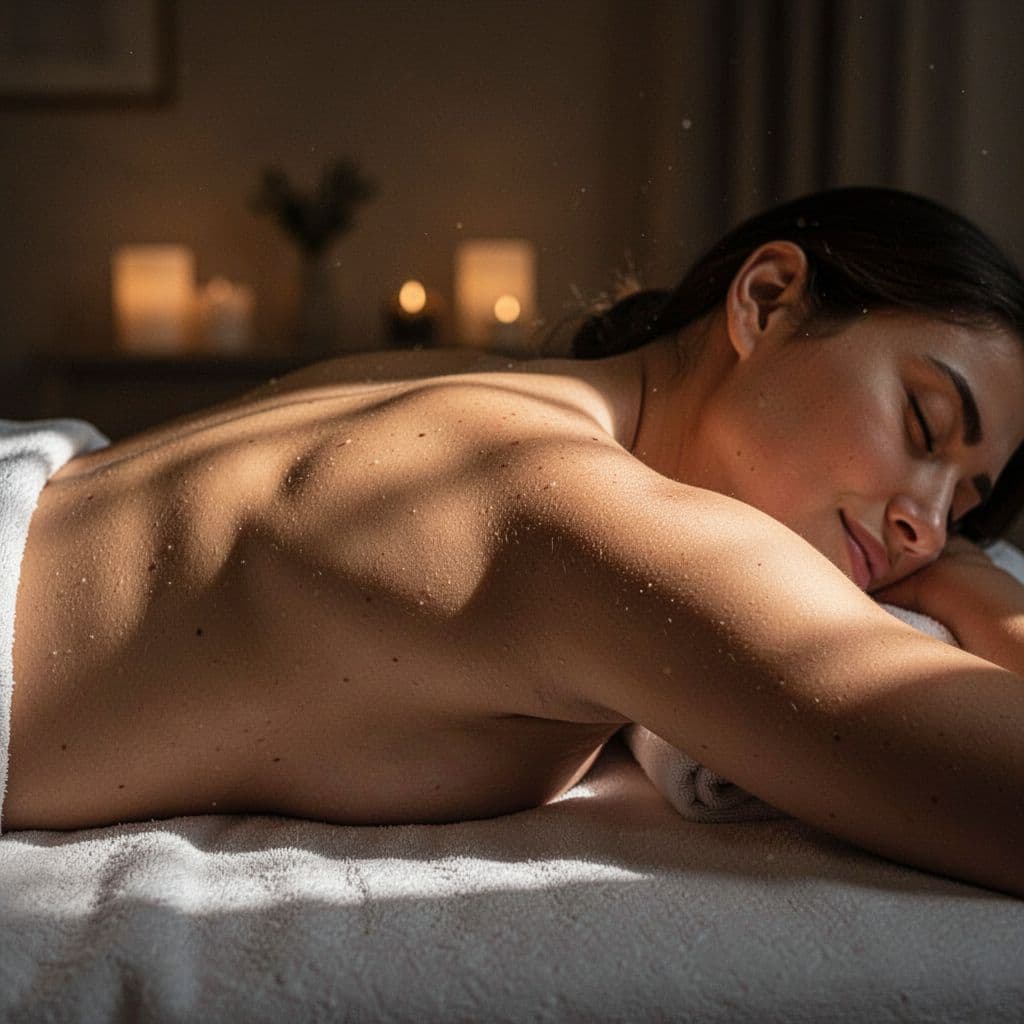
Why stress shows up in the shoulders, neck, and jaw
When life feels heavy, the body often braces first in the shoulders, neck, and jaw. Those areas hold a lot of tension because people tighten them without noticing. Hours at a desk, long drives, rushed mornings, and constant problem-solving all add to the strain.
You may catch yourself hunching your shoulders or clenching your teeth. That happens because the body treats stress like a threat and stays on guard. Breathing also gets shallower during pressure, which can make the chest feel tight and the whole body feel more alert than it should.
Over time, that pattern becomes familiar. The neck feels stiff when you turn your head. The jaw aches at the end of the day. Shoulders creep upward and stay there like they forgot how to drop.
This is why the benefits of massage often show up so quickly. When the body has been holding tension for hours or days, direct touch can help it notice that the strain is not needed anymore.
For a simple explanation of the stress response, the Mayo Clinic Health System notes that massage can help lower stress and support relaxation. That lines up with what many people feel in real time, a little less tightness, a little more space to breathe.
How massage may lower tension and support a calmer mood
Massage works through a basic mind-body response. As the hands move across the skin and muscles, nerves send calming signals to the brain. In response, the body can shift away from fight-or-flight mode and move toward rest and digest.
That shift matters because stress does not live only in the mind. It shows up in heart rate, breathing, muscle tone, and even the way a person carries their body. When massage encourages those systems to slow down, people often feel the change all at once.
A few common effects stand out:
- Muscles soften as held tension starts to release.
- Breathing slows and becomes less shallow.
- The mind feels less crowded because the body is no longer braced.
- Mood lifts as the session creates a sense of care and relief.
Many people leave a massage feeling lighter, calmer, and more grounded.
That feeling is not just in the head. Research also points to changes in the nervous system and stress hormones after massage, which helps explain why the body can feel more settled. A review on massage and mental health in the National Library of Medicine discusses how massage has been linked with lower anxiety and depression symptoms in some settings.
The calm can feel simple, but it has real value. When your body stops bracing, your thoughts often soften with it. The result is a quieter state that feels easier to carry into the rest of the day.
Why a quiet spa setting can make relaxation deeper
The setting around the massage matters as much as the technique. Soft lighting lowers visual noise. Calm music gives the mind something gentle to follow. Privacy helps the body stop scanning the room and start letting go.
Steady care also makes a difference. When the therapist moves with purpose and the pace feels unhurried, the body has fewer reasons to stay guarded. Small details add up, and they can turn a good massage into a more complete reset.
A soothing space can help stress ease faster because the senses stop competing for attention. The room feels controlled, quiet, and safe, so the nervous system has fewer cues to stay alert. In that state, the body often releases tension more fully.
A relaxing spa experience in Kilimani can shape the same outcome. The exact setting may vary, but the principle stays the same. When the room feels peaceful and the care feels attentive, the body usually settles more easily.
That is one reason massage is often remembered long after the session ends. The hands help loosen tight muscles, while the environment gives the mind permission to unclench. Together, they create the kind of relief that lingers in the shoulders, the breath, and the mood.
The ways massage can ease pain, soreness, and stiffness
Pain and stiffness often build up in small ways. A hard workout, a long shift on your feet, or a day spent hunched over a desk can leave muscles feeling tight and tired. Massage can help by easing that strain, softening sore spots, and giving the body a better chance to recover.
The relief is often simple but noticeable. Your muscles may feel warmer, looser, and less guarded after a session. That can make everyday movement feel easier, whether you’re bending, turning, walking, or just trying to stand up without that familiar pull in your lower back.
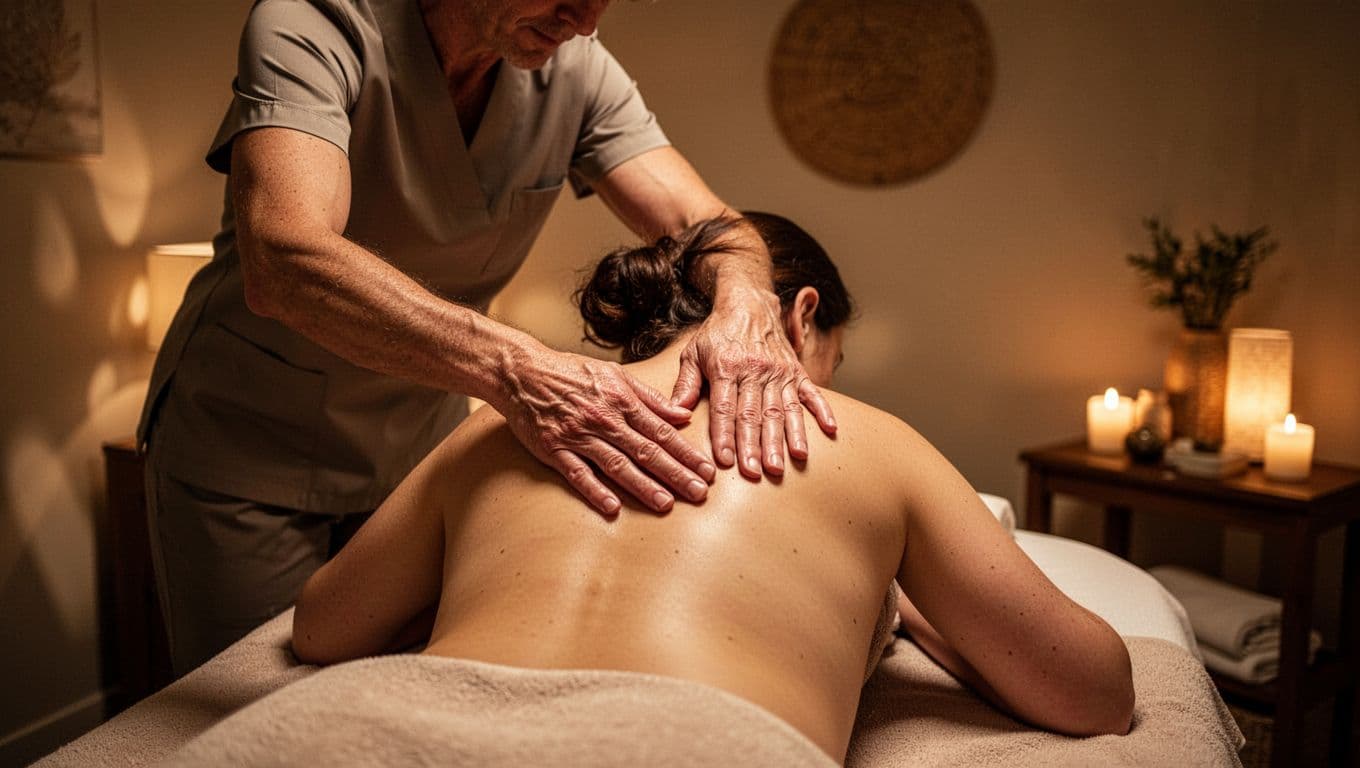
How improved blood flow can support recovery
When massage presses and moves over the muscles, it helps encourage blood flow in the area. Better circulation brings oxygen and nutrients to tired tissue, while also helping move along extra fluid that can add to swelling and stiffness. That process can make sore muscles feel less heavy and more responsive again.
Recovery after strain often needs two things, rest and circulation. Massage supports both by giving overworked areas a break while also helping the body send more support to them. According to research on massage and muscle recovery, massage may help reduce soreness and improve range of motion after physical effort.
That does not mean a massage fixes everything at once. Still, when your body feels beat up, better blood flow can be one more helpful piece of the recovery puzzle. It can be especially useful after a tough workout, a long walk, or a day of lifting and carrying.
A few common effects can show up after a session:
- Softer muscles that do not feel as rigid
- Less swelling in areas that feel worked over
- Easier movement when joints and muscles start to loosen
- A lighter feeling in spots that had been tight for hours
Why massage can feel helpful after workouts or long workdays
After exercise, soreness often shows up in the muscles that worked the hardest. Legs may ache after a run. Shoulders may feel tight after lifting. Hips can feel locked up after cycling, squats, or just sitting for too long afterward. Massage can help those areas feel less packed down and more ready to move.
Long workdays can create the same problem. Standing for hours can strain the feet, calves, and lower back. Sitting all day can shorten the hips and tighten the neck and shoulders. In both cases, massage helps the body unwind the tension that builds from staying in one position for too long.
That is one reason the benefits of massage feel so practical. It speaks to the kinds of aches people deal with every week, not just rare injuries or special cases. When your body feels stiff from routine stress, a session can help you feel refreshed instead of worn down.
Massage may be especially useful when you notice:
- Heavy legs after standing or walking all day
- Tight hips after long hours in a chair
- Sore shoulders from carrying, reaching, or lifting
- Lower back discomfort after a busy day on your feet
- General stiffness that makes your body feel old before its time
Massage often helps the body feel less tense before soreness turns into a bigger problem.
For people who work out regularly, the timing can matter too. A gentle session after exercise may help you feel less locked up the next day. On busy workdays, it can also give your muscles a chance to reset before the tightness settles in deeper.
When massage may help with chronic tightness or recurring aches
Some discomfort keeps coming back. You may notice the same neck pain every week, the same stiff lower back after long sitting, or the same knot between your shoulder blades that never seems to leave. Massage can help with that kind of ongoing tension, especially when the muscles have learned to stay tight.
That said, recurring pain should be treated with care. Massage can be part of a larger plan, not a cure-all. If an ache keeps returning, there may be more going on than muscle tension alone. Posture, stress, old strain, weak support muscles, or other health issues can all play a role.
Still, massage can help break the cycle. It may soften knots, improve how a tight area moves, and give you a better sense of where your body is holding stress. Many people find that repeated sessions work better than one isolated visit, because the body has time to ease into a new pattern.
For ongoing tightness, massage may support:
- Neck pain that flares after desk work or driving
- Back stiffness that makes it hard to bend or twist
- Muscle knots that feel like hard, tender spots under the skin
- Hip tightness that affects walking, standing, or sleep
It also helps to pair massage with simple habits. Stretching, regular movement, good sleep, and better desk posture can all support the same goal. Massage works best when it helps you recover, then you give the body a little help staying loose.
If your pain is sharp, severe, or getting worse, it needs more than a massage. But for everyday tightness, soreness, and stiffness, massage can be a steady source of relief. It gives overworked muscles a chance to soften, and that alone can change how the whole body feels.
How massage supports sleep, mood, and mental clarity
Massage does more than loosen tight shoulders. It can help your whole system settle, which matters when stress starts to spill into your sleep, mood, and focus. When the body relaxes, the mind often follows, like a room growing quieter after the volume gets turned down.
That is one reason the benefits of massage reach beyond physical relief. Less muscle tension can mean fewer late-night wakeups, less mental chatter, and a steadier mood during the day. It’s a simple chain reaction, but a useful one.
Why a relaxed body often leads to better sleep
Tight muscles and poor sleep often feed each other. If your neck, jaw, or back stays tense at night, your body has a harder time shifting into rest mode. At the same time, racing thoughts can keep those muscles braced, so you end up tired but unable to fully let go.
Massage may help break that loop. As your breathing slows and your body softens, the nervous system gets a clearer signal that it’s time to power down. That can make bedtime feel less like a battle and more like a natural landing.
Many people notice they fall asleep faster after a session, especially when stress or soreness has been keeping them alert. A calmer body also tends to wake less often during the night. The Mayo Clinic Health System notes that massage can support relaxation, which helps explain why sleep often improves when the body feels less on guard.
A few things often help before bed:
- A slower pace, so the day does not follow you into the pillow
- Less muscle guarding, especially in the shoulders, neck, and jaw
- A quieter mind, because the body is no longer sending so many stress signals
- A better wind-down routine, with less friction at bedtime
When the body stops holding itself like it’s bracing for impact, sleep often comes easier.
How regular massage can support emotional balance
Mood can shift for simple reasons. A bad night, a packed schedule, or a body full of aches can make everything feel heavier. Regular massage may help by giving you a steady pause, one that helps the nervous system reset before stress piles up.
That matters in everyday life. You may feel less overwhelmed when your body is not carrying so much strain. Small frustrations can feel smaller. The day may still be busy, but it can feel more manageable.
Massage also gives many people a sense of being cared for, which can soften the edge of anxiety. That sense of calm is not vague or abstract. It shows up as a steadier breath, a looser face, and a little more room between a stressful moment and your reaction to it.
Research on massage and mental health has linked it with lower anxiety and better mood in some settings, including findings discussed in the National Library of Medicine. For many people, the real-life effect is simple: they feel less wound up and more like themselves again.
Regular sessions can support:
- Less emotional overload after hard days
- More steady energy when stress has been draining you
- A calmer baseline, so small problems do not hit as hard
- Better patience, especially when your body feels less tense
What people often notice after a good session
The best part of massage is often how normal life feels afterward. You may not leave with a dramatic story, but you may notice the quiet wins that matter most. Your head feels less crowded. Your shoulders stay down. Even simple tasks feel smoother.

After a good session, people often say they:
- Sleep more soundly and wake up less tossed around
- Feel more focused because their mind is not working through so much static
- Notice less mental noise, especially after long workdays
- Move through the day with more ease, since their body feels lighter and less tense
- Feel calmer in small moments, like traffic, emails, or family stress
That cleaner mental space can make a real difference. When your body is not constantly asking for attention, your thoughts have more room to organize themselves. In other words, massage does not just help you rest, it can help you think better the next day.
Some people describe this as feeling clearer, not sleepy. That distinction matters. The goal is not to fog the mind, but to lower the strain that keeps it cluttered. After that reset, work, sleep, and daily choices often feel a little easier to handle.
For people dealing with stress, poor sleep, or a heavy mental load, massage can be one of the simplest ways to get back on steadier ground. It supports the body, but it also gives the mind a break it can feel.
What to know before choosing the right massage for your needs
Choosing a massage gets easier when you start with your goal. Some people want calm and quiet. Others want sore muscles worked out, better recovery, or relief from a stubborn ache.
The best choice depends on comfort level, health needs, and what your body is asking for right now. A session that feels perfect for one person may feel too light or too intense for another. That is normal, and it is why talking through your needs before the massage matters.
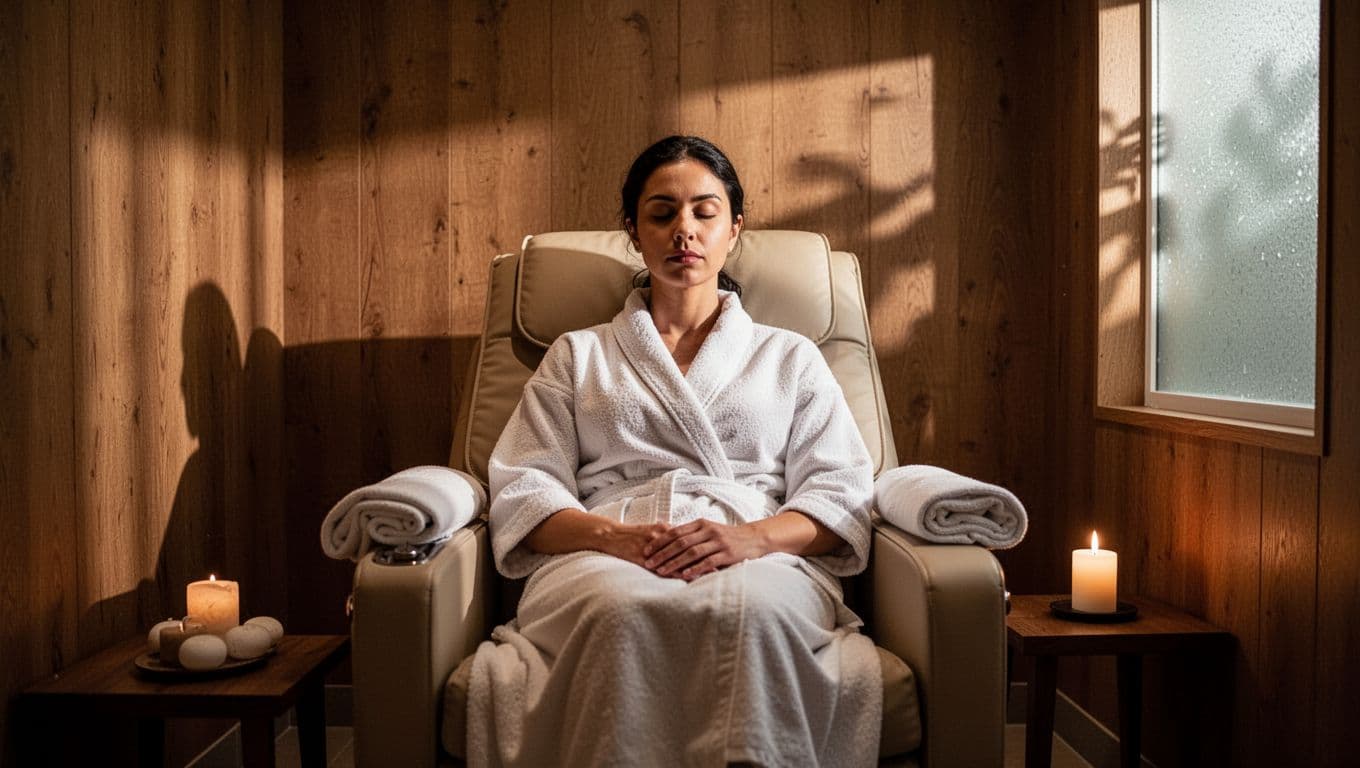
Different massage styles can feel very different
Massage styles can vary a lot in pace, pressure, and purpose. A relaxing massage usually feels soft, slow, and steady. It is a good choice when stress relief or mental calm is the main goal.
Herbal massage therapy may include warm oils or botanicals that add another layer of comfort. Many people choose it when they want a soothing experience that feels rich and restorative. Hot stone massage adds warmth and gentle weight, which can help muscles loosen without heavy pressure.
Deeper pressure work feels more focused and firm. It may help when tight muscles, knots, or chronic tension need extra attention. If you want a simple guide to massage types, this kind of comparison can help you narrow your choice before you book.
A quick way to think about it:
- Relaxing massage feels gentle and calming, which suits stress relief.
- Herbal massage therapy feels warm and soothing, which suits comfort and pampering.
- Hot stone massage feels grounded and warm, which suits people who hold a lot of tension.
- Deeper pressure work feels firm and targeted, which suits soreness and tight spots.
The right style should match your goal, not force your body into a style it dislikes.
How to think about pressure, comfort, and communication
A good massage should fit you. Your body should not have to “tough it out” just to make the session work. If the pressure feels too light, too strong, or painful, say so right away.
Communication makes the massage better and safer. Tell the therapist about sore areas, old injuries, sensitive spots, or places that should be avoided. That way, the session can focus on what helps instead of what overwhelms.
It also helps to speak up early, not after the discomfort builds. A therapist can adjust pressure, change technique, or spend less time on one area. Small adjustments often make a big difference.
Before your session, be clear about what you want:
- Relaxation if you want to calm your mind and loosen mild tension.
- Pain relief if one area keeps aching or feels tight.
- Recovery if your muscles feel worked over after activity.
- Gentle care if you prefer light touch or are new to massage.
The GoodRx overview of massage types makes the same point in a practical way, different styles offer different kinds of relief. That is why the best session starts with a clear conversation.
Why a trusted spa experience matters
The setting shapes the whole experience. Clean rooms, calm music, fresh linens, and a professional approach help the body relax faster. When the space feels orderly and welcoming, your mind has fewer reasons to stay alert.
A good spa also makes the booking and arrival process easy. You should feel comfortable asking questions, sharing preferences, and explaining health concerns. That kind of care matters just as much as the massage itself.
For many people, the best place is one that feels restful from the moment they walk in. If you are booking a session in Kilimani, for example, look for a spa that feels warm, polished, and attentive. A place with that kind of atmosphere can make it easier to settle in and enjoy the treatment.
A trusted spa experience usually includes:
- Clean, calm surroundings that help you relax
- Professional staff who listen before they begin
- Clear service options so you can choose with confidence
- Respect for comfort and privacy throughout the session
The right massage is not only about technique. It is also about how safe, heard, and cared for you feel in the room. When those pieces come together, the benefits are easier to enjoy, whether you want stress relief, pain ease, better recovery, or simple rest.
Conclusion
The real value of massage is simple, it helps the body settle. It can ease stress, loosen tight muscles, support better sleep, and give the mind a quieter place to land.
That’s why the benefits of massage feel so lasting for many people. A single session can bring relief, but the best results usually come when massage fits into healthy routines, along with movement, rest, and good daily habits. It works best as support, not as a magic fix.
If your body feels tense, sore, or overworked, the right massage can meet that need with care. Choose the style that matches your comfort level and your goal, whether that’s calm, recovery, or focused relief. A good massage leaves you feeling lighter, steadier, and more at ease in your own body.